Skeleton
Team Canada Medal Count
 2
2
 1
1
 1
1
Sport Details

NSO Channels


Sport Overview
Skeleton at Beijing 2022
Venue: Yanqing National Sliding Centre
Competition Dates: February 10-12 (Days 6-8)
Events: 2 (1 men, 1 women)
Trivia: Test your knowledge!
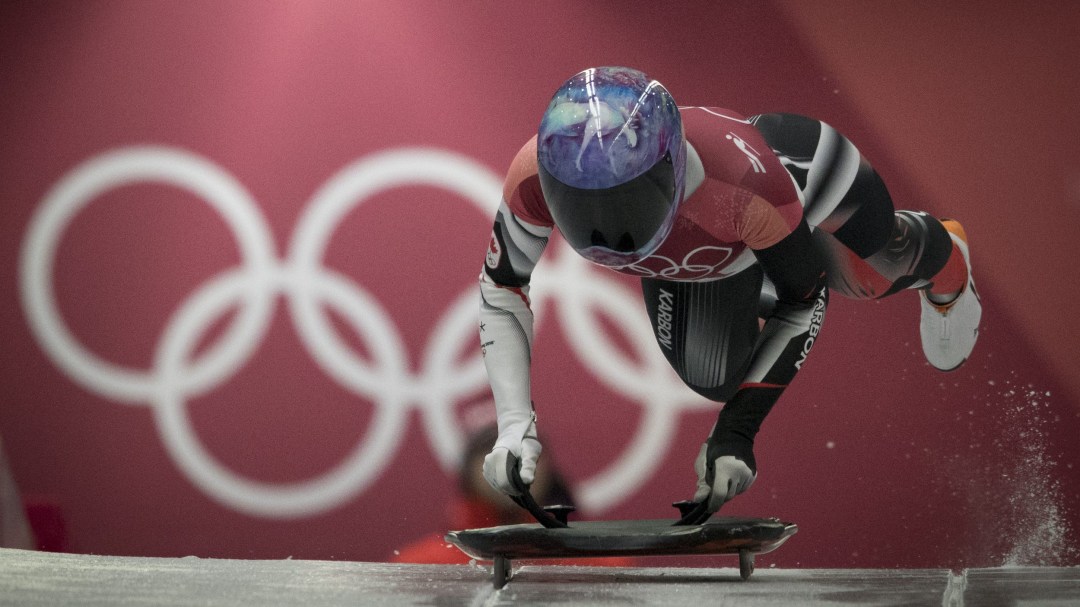
Skeleton is contested on an ice track. The athletes typically sprint alongside their sled for the first few seconds of a run, holding onto the sled with one hand before diving headfirst onto it. Positioned head-first and stomach-down, athletes will use slight shoulder, head, or body movements to steer the sled. Skeleton events are timed to the hundredth of a second (0.01).
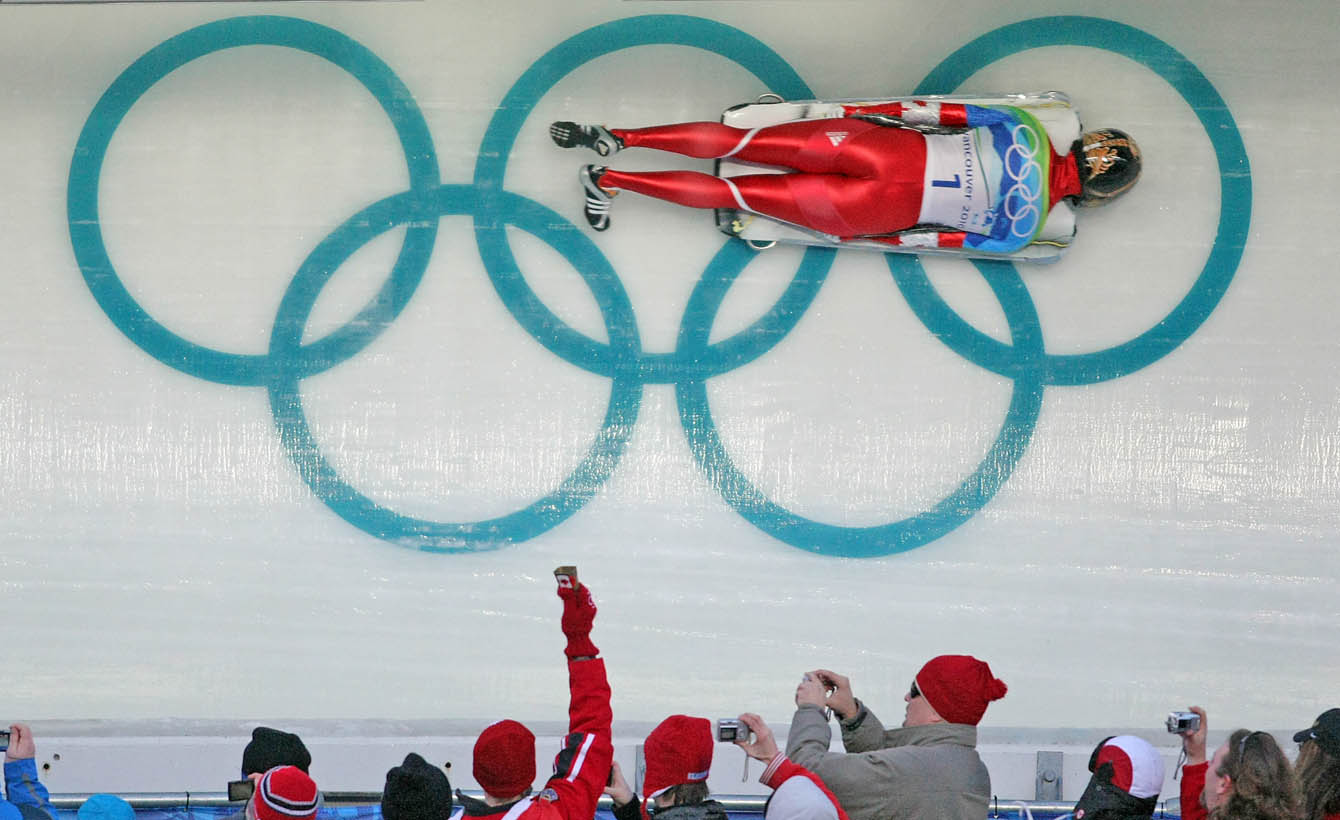
Both the men’s and women’s events consist of four runs held over two consecutive days. The lowest cumulative time after all four runs wins.
Canadian History (Pre-Beijing 2022)
Canada’s first Olympic skeleton success came at Turin 2006, where three of the country’s four medals were won. Duff Gibson and Jeff Pain shared the podium in the men’s event, winning gold and silver, respectively. On the women’s side, Mellisa Hollingsworth seized the bronze medal.
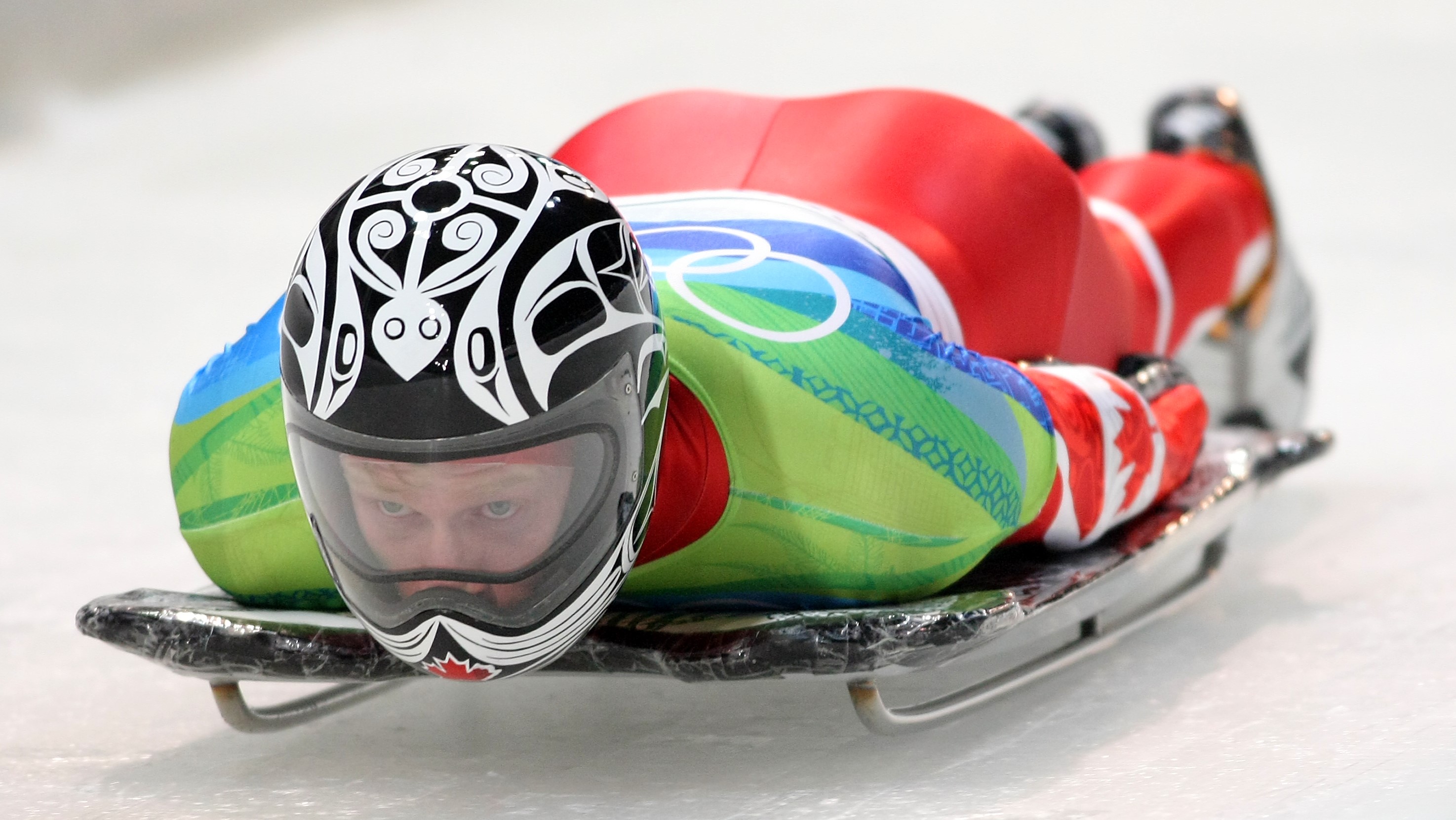
In front of the home crowd, Jon Montgomery enthralled Canadians twice at Vancouver 2010, first by winning gold by 0.07 seconds and then guzzling a full pitcher of beer on live TV while walking through Whistler Village.
Canadian Medallists
| Event | Athlete | Finish | Games |
|---|---|---|---|
| Men | Duff Gibson | Gold | Turin 2006 |
| Men | Jon Montgomery | Gold | Vancouver 2010 |
| Men | Jeff Pain | Silver | Turin 2006 |
| Women | Mellisa Hollingsworth | Bronze | Turin 2006 |