Snowboard
Team Canada Medal Count
 5
5
 5
5
 7
7
Sport Details
NSO Channels


Sport Overview
Snowboarding at Beijing 2022
Venues: Zhangjiakou Genting Snow Park, Big Air Shougang
Competition Dates: February 5-12, 14-15 (Days 1-8, 10-11)
Events: 11 (5 men, 5 women, 1 mixed)
Trivia: Test your knowledge!
There are five categories of Olympic snowboard events, each featuring athletes riding similar shaped boards. But while some of these events are based purely on speed, others are fully judged. All involve great technical skill.
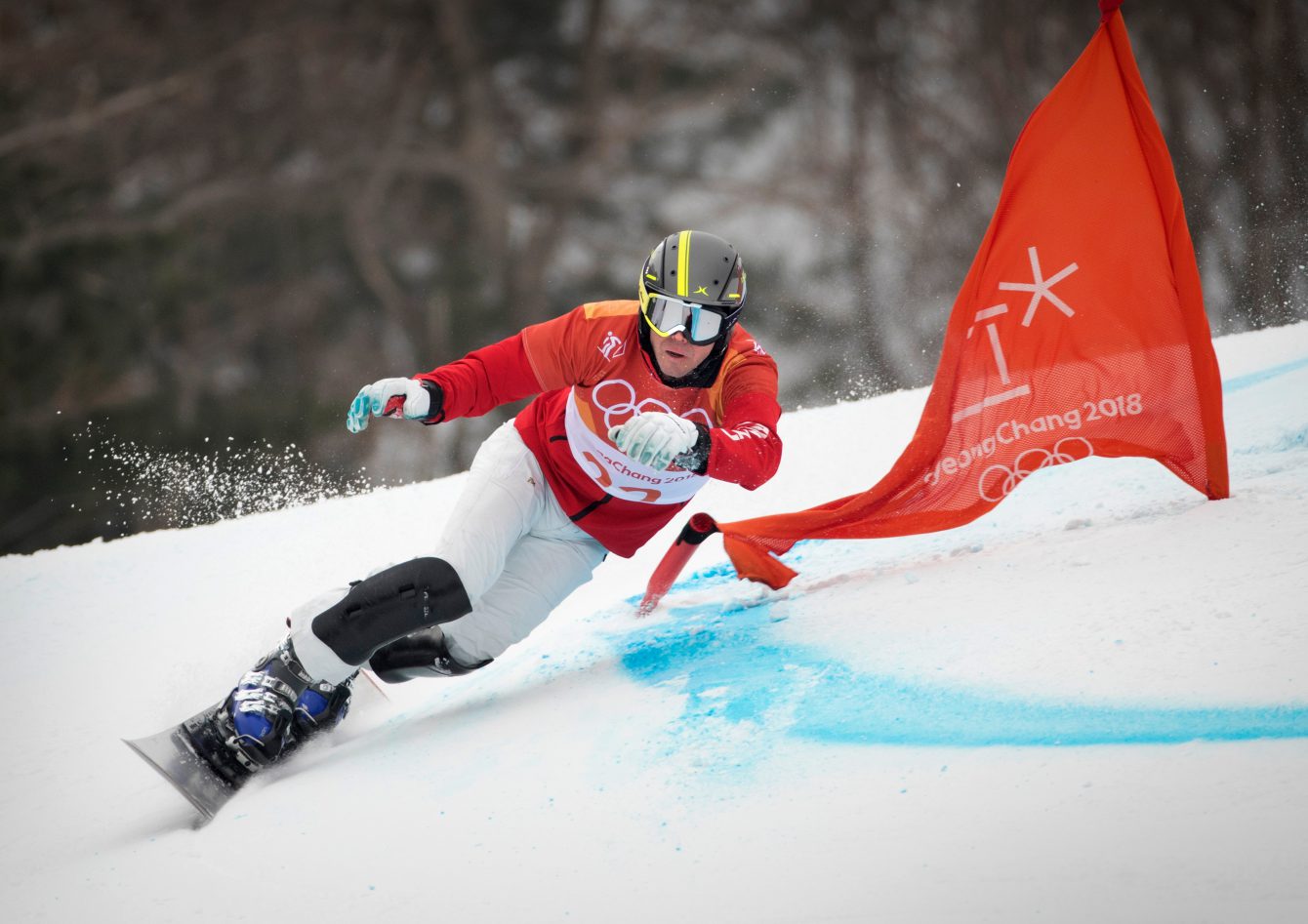
In the parallel giant slalom, two riders race head-to-head through series of gates down two parallel courses. In the qualification round, each rider does a run on each of the red and blue courses. The two times are added together and the 16 fastest riders advance to the elimination finals, which is in a direct knockout format. Beginning with the 1/8 finals, two competitors ride simultaneously down the parallel courses. The first to the bottom advances to the next round. Eliminations continue through the quarterfinals and semifinals, from which the two winners move on to race for gold and silver in the Big Final while the losers face off for bronze in the Small Final.
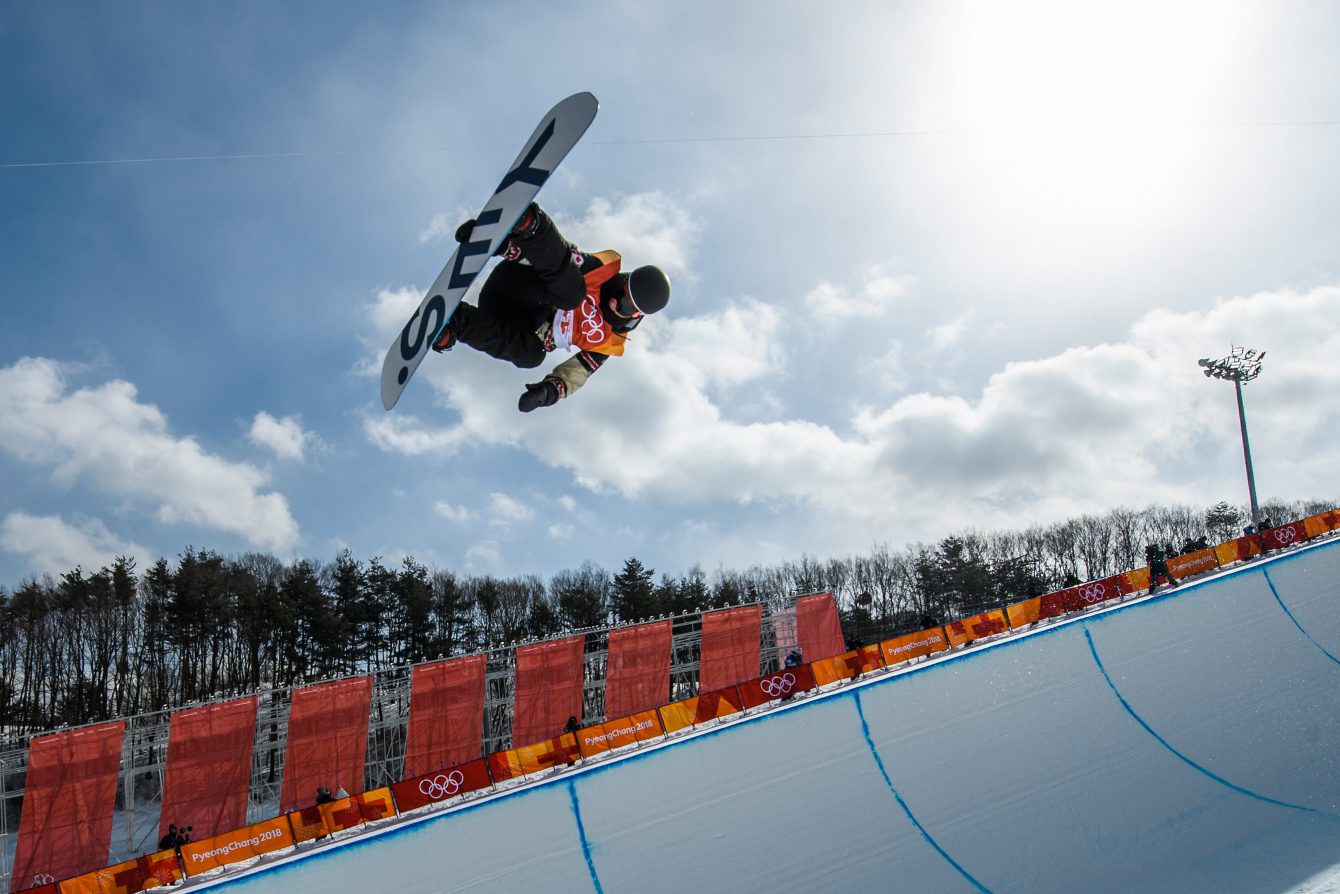
In halfpipe, one rider performs at a time in a sloped half-cylinder of snow. Their routine includes acrobatic flips, spins and airs, moving back from one wall to another. Riders are judged on the variety, difficulty, style and execution of their maneuvers, including the amplitude they achieve above the walls, the cleanliness of their landings and the form in the air. Riders will perform two runs in qualification and three runs in the final, but in each round, only the highest-scoring run counts towards the results.
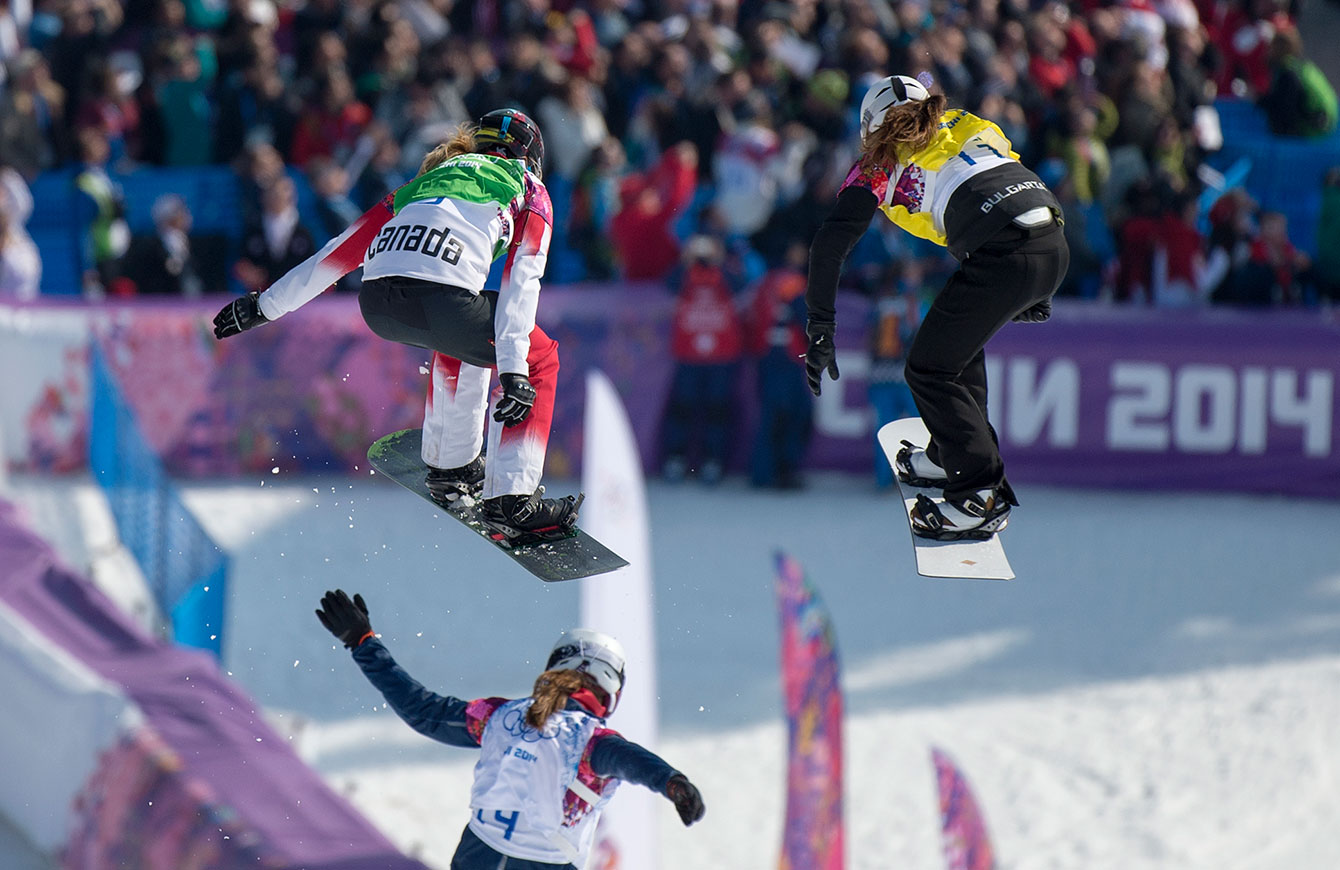
In snowboard cross, riders race in packs over a course featuring a variety of terrain including jumps, berms, rollers and other obstacles. The competition begins with a qualification round in which riders race individually against the clock. All riders get two runs with only the fastest one being used to determine who advances to the elimination finals. During the finals, riders race in heats of four with the top two in each heat advancing to the next phase until four riders remain to race in the Big Final for the medals.
New to the Olympic program at Beijing 2022 will be a mixed team snowboard cross event. Each team is comprised of one man and one woman. In each heat, the men go down the course first. As they reach the bottom, the gates at the top open to allow the women to start in the order and intervals that match how the men crossed the finish line.
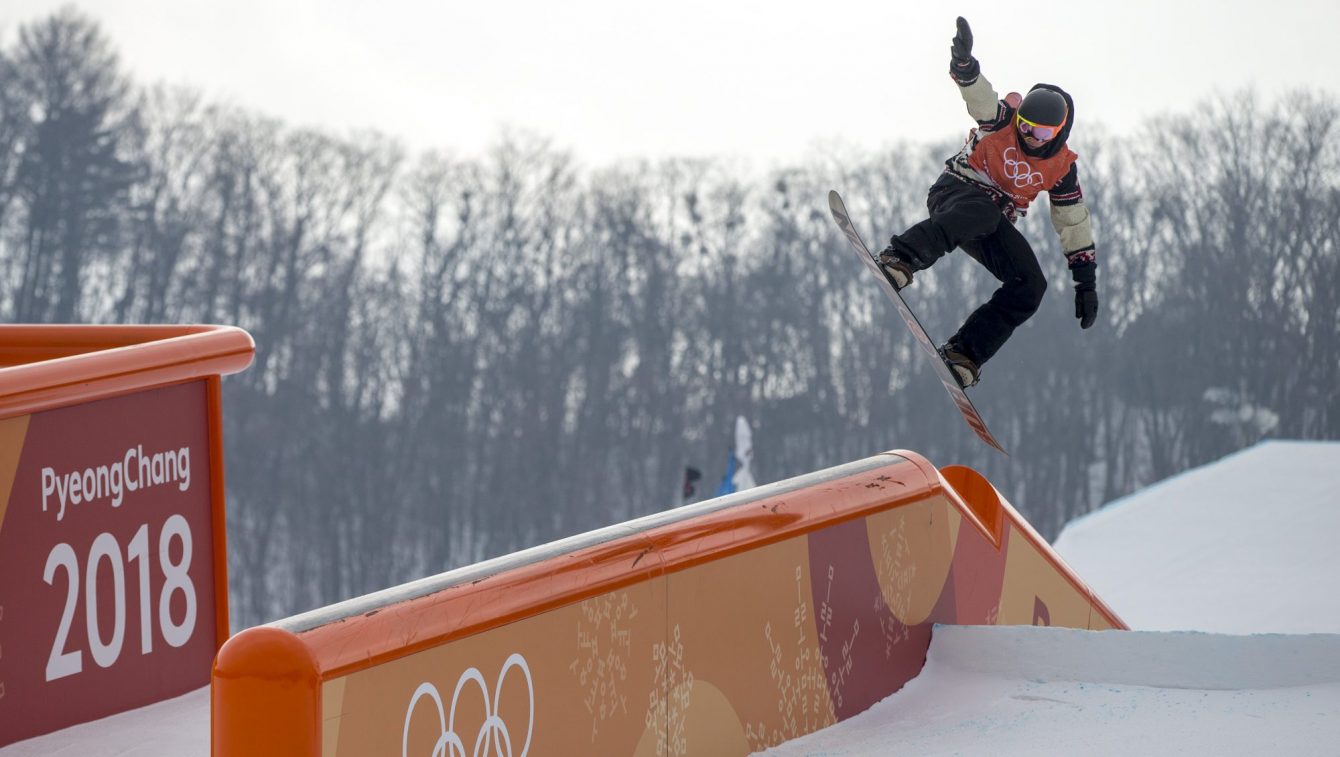
In slopestyle, riders go down a course comprised of various obstacles such as hips, jumps, rails, and boxes. Judges evaluate the runs for their overall composition, including the sequence, difficulty, style and execution of the tricks, the amount of risk in the routine (including the amplitude achieved) and how the rider uses the course. Riders will perform two runs in qualification and three runs in the final, but in each round, only the highest-scoring run counts towards the results.
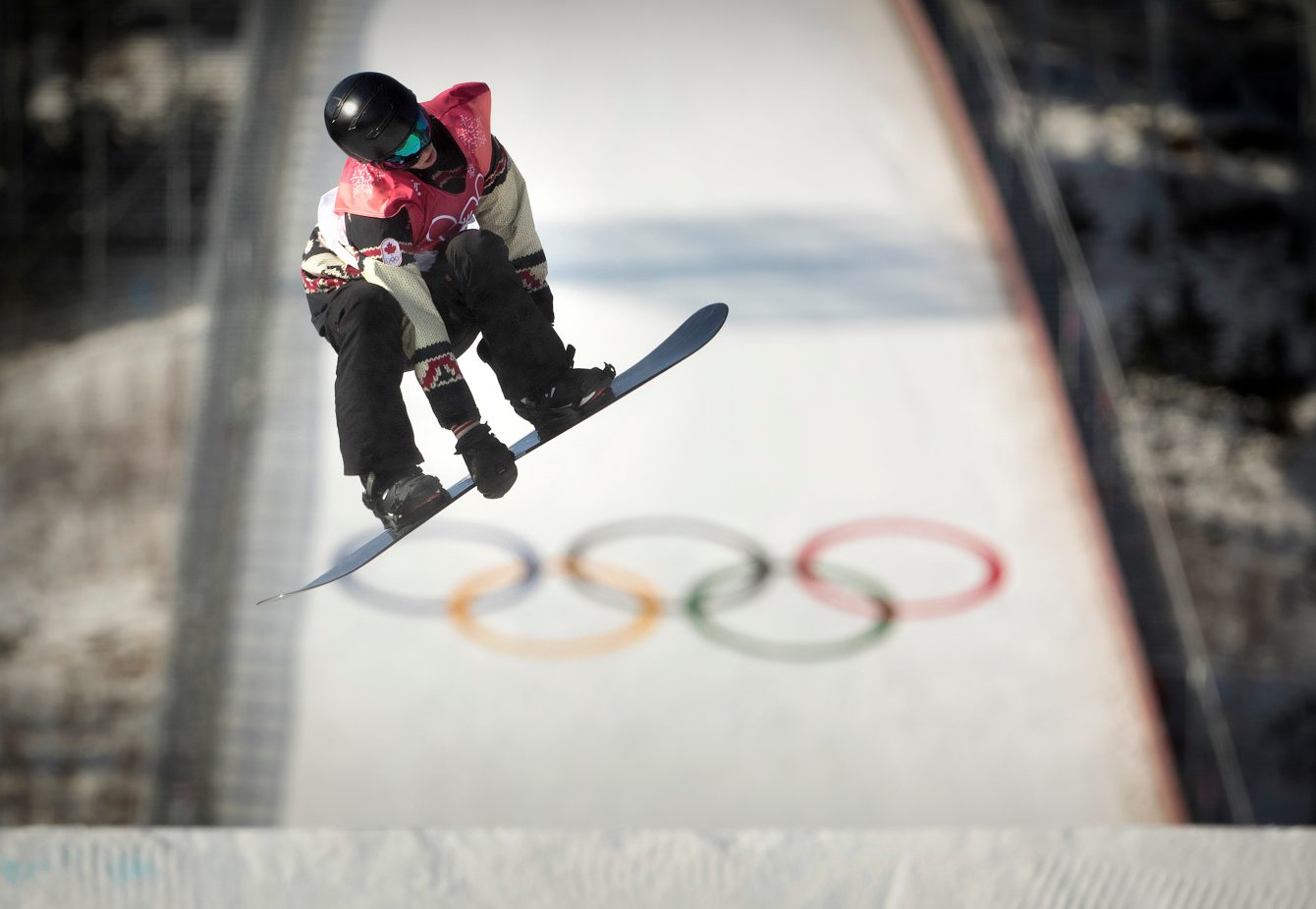
The big air features riders performing a single trick jump. Travelling down a long ramp, they kick into the air to attain maximum height and distance before securing a clean landing. Tricks are evaluated by a panel of judges for their difficulty, style and execution. Competition begins with a qualification round. After one round of jumping, the highest scoring riders advance direct to the final, while the remaining competitors are given one more chance to move on. In the final, each rider takes three runs with the two highest scoring runs combined to determine the overall results.
Canadian History (Pre-Beijing 2022)
Canada has won 11 Olympic snowboard medals in the six Games since the sport was added to the Olympic program.
The first came at Nagano 1998, where snowboard made its Olympic debut. Ross Rebagliati captured gold in what was then a giant slalom event.
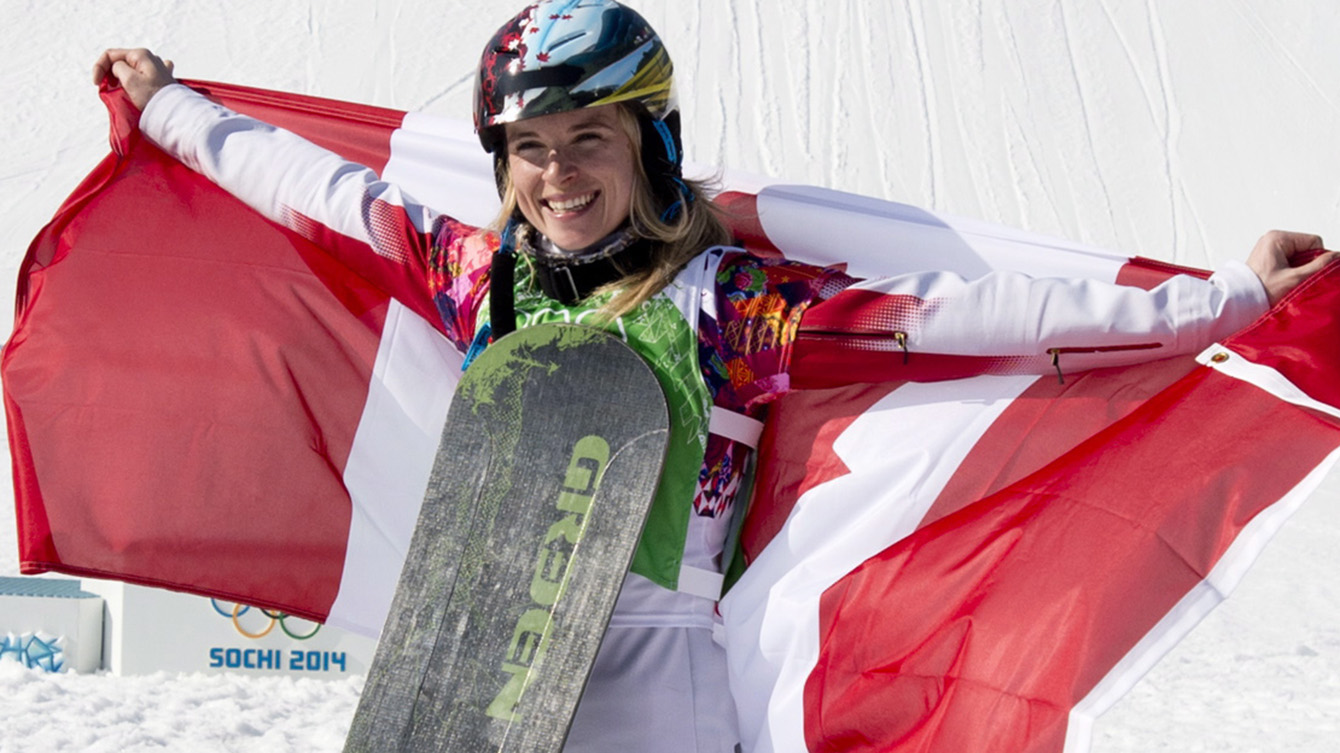
Dominique Maltais followed that up with a bronze medal in the Olympic debut of snowboard cross at Turin 2006. Teammate Maëlle Ricker also competed in that Big Final, but had an unfortunate crash which left her off the podium.
Four years later at Vancouver 2010, Ricker got her redemption in the best way possible, winning Olympic gold in in her home province. There was also a standout performance by Jasey-Jay Anderson in the parallel giant slalom. In his fourth Olympic appearance, the man who had won everything else in the sport finally got his first Olympic medal, a gold. Mike Robertson added a silver in the men’s snowboard cross.
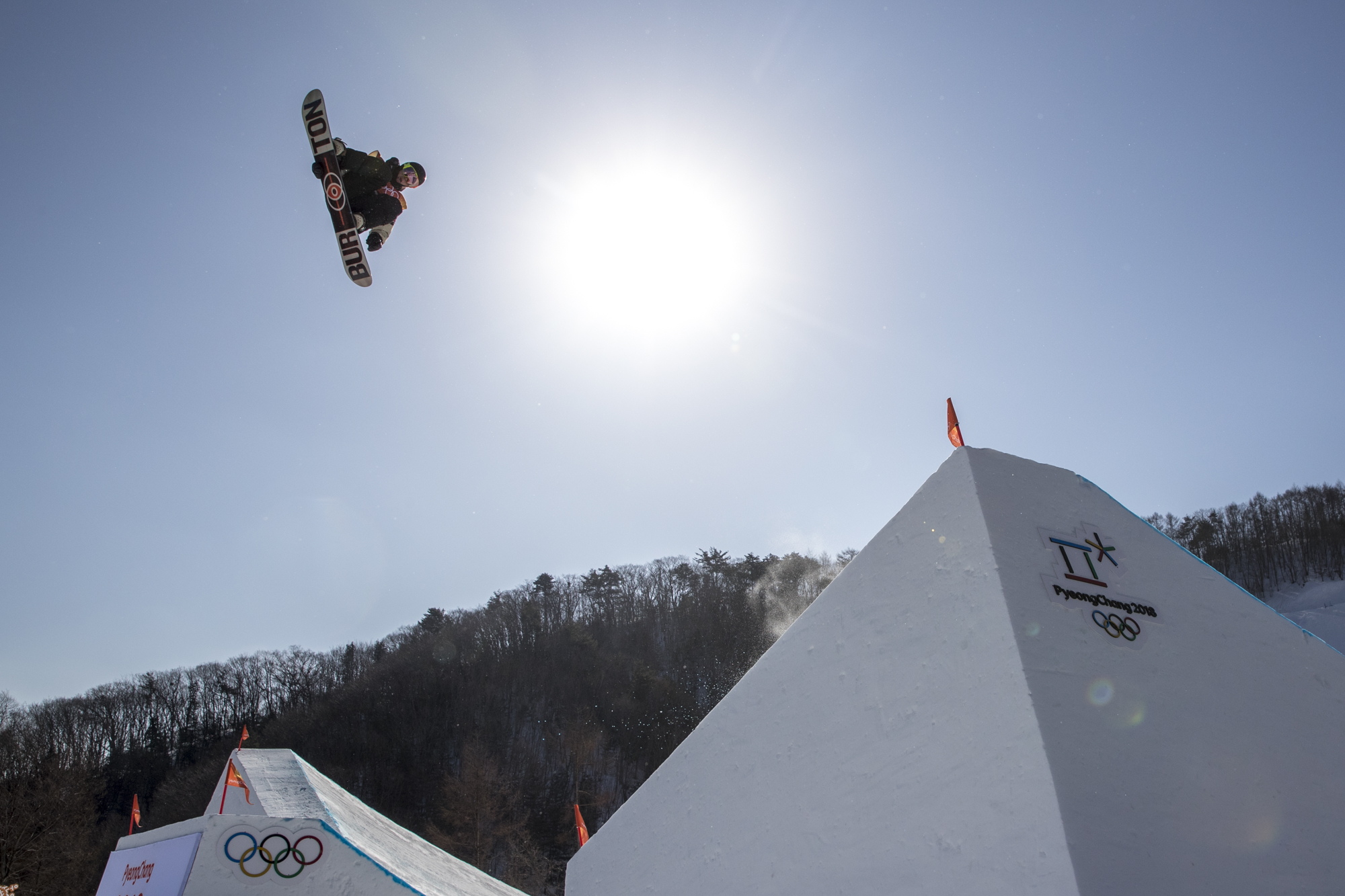
At Sochi 2014, Maltais returned to the podium, this time winning snowboard cross silver to become Canada’s first two-time Olympic medallist snowboarder. Meanwhile in the Olympic debut of slopestyle, Mark McMorris overcame a broken rib to win the bronze medal.
McMorris won another slopestyle bronze at PyeongChang 2018, sharing the podium with silver medallist teammate Max Parrot. At those Games, Sébastien Toutant won the first ever Olympic gold medal in men’s big air. Laurie Blouin came back from a crash in training that left her with a black eye to win silver in women’s slopestyle amidst tricky weather conditions.
Canadian Medallists
| Event | Athlete | Finish | Games |
|---|---|---|---|
| Men's Giant Slalom | Ross Rebagliati | Gold | Nagano 1998 |
| Women's Snowboard Cross | Maëlle Ricker | Gold | Vancouver 2010 |
| Men's Parallel Giant Slalom | Jasey-Jay Anderson | Gold | Vancouver 2010 |
| Men's Big Air | Sébastien Toutant | Gold | PyeongChang 2018 |
| Men's Slopestyle | Max Parrot | Gold | Beijing 2022 |
| Men's Snowboard Cross | Mike Robertson | Silver | Vancouver 2010 |
| Women's Snowboard Cross | Dominique Maltais | Silver | Sochi 2014 |
| Men's Slopestyle | Max Parrot | Silver | PyeongChang 2018 |
| Women's Slopestyle | Laurie Blouin | Silver | PyeongChang 2018 |
| Men's Snowboard Cross | Eliot Grondin | Silver | Beijing 2022 |
| Women's Snowboard Cross | Dominique Maltais | Bronze | Turin 2006 |
| Men's Slopestyle | Mark McMorris | Bronze | Sochi 2014 |
| Men's Slopestyle | Mark McMorris | Bronze | PyeongChang 2018 |
| Men's Slopestyle | Mark McMorris | Bronze | Beijing 2022 |
| Women's Snowboard Cross | Meryeta O'Dine | Bronze | Beijing 2022 |
| Mixed Team Snowboard Cross | Eliot Grondin, Meryeta O'Dine | Bronze | Beijing 2022 |
| Men's Big Air | Max Parrot | Bronze | Beijing 2022 |
Teams
Beijing 2022
- Arnaud Gaudet
- Audrey McManiman
- Brooke D’Hondt
- Brooke Voigt
- Darcy Sharpe
- Eliot Grondin
- Elizabeth Hosking
- Jasmine Baird
- Jennifer Hawkrigg
- Jules Lefebvre
- Kaylie Buck
- Kevin Hill
- Laurie Blouin
- Liam Gill
- Liam Moffatt
- Mark McMorris
- Max Parrot
- Megan Farrell
- Meryeta O’Dine
- Sébastien Beaulieu
- Sébastien Toutant
- Tess Critchlow
- Zoe Bergermann
Sochi 2014
- Alexandra Duckworth
- Ariane Lavigne
- Brad Martin
- Caroline Calvé
- Charles Reid
- Chris Robanske
- Crispin Lipscomb
- Derek Livingston
- Dominique Maltais
- Jake Holden
- Jasey-Jay Anderson
- Jenna Blasman
- Katie Tsuyuki
- Kevin Hill
- Maëlle Ricker
- Marianne Leeson
- Mark McMorris
- Matthew Morison
- Max Parrot
- Mercedes Nicoll
- Michael Lambert
- Rob Fagan
- Sébastien Toutant
- Spencer O’Brien