Nordic Combined
Sport Details

NSO Channels


Sport Overview
Nordic Combined at Milano Cortina 2026
Venues: Predazzo Ski Jumping Stadium, Tesero Cross-Country Skiing Stadium
Competition Dates: February 11, 17, 19 (Days 5, 11, 13)
Events: 3 (3 men)
| Men’s Events |
|---|
| Men’s Individual Gundersen Normal Hill/10km Men’s Individual Gundersen Large Hill/10km Men’s Team Sprint Large Hill/2×7.5km |
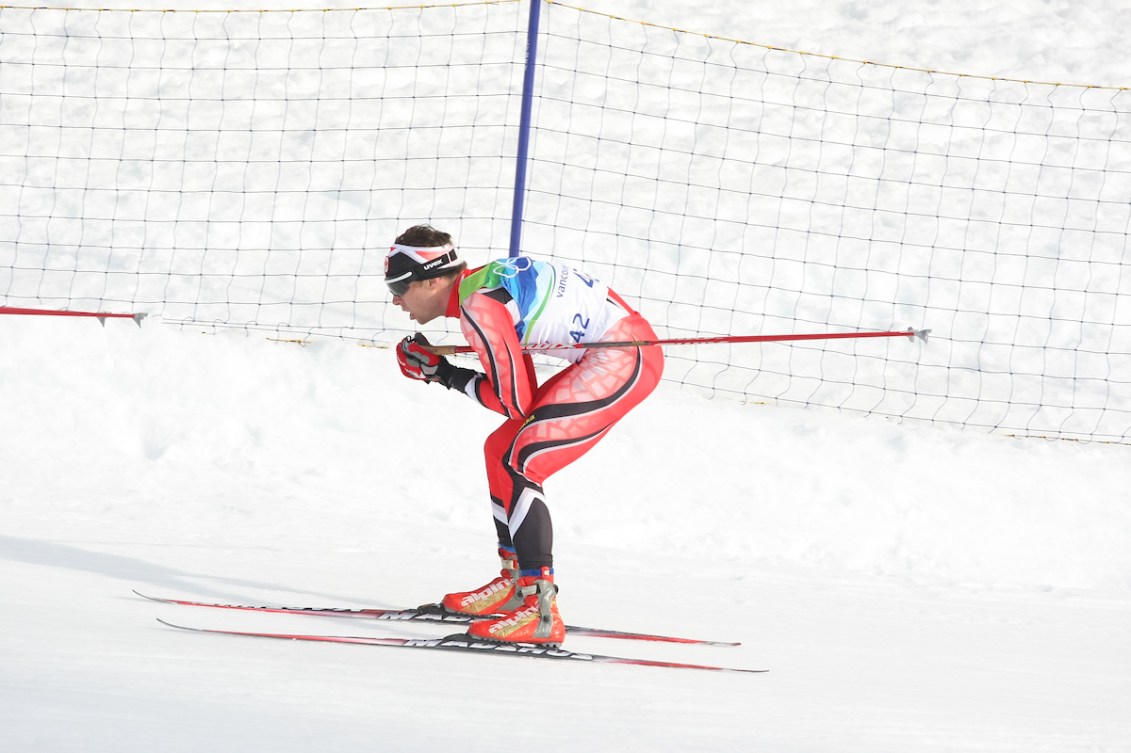
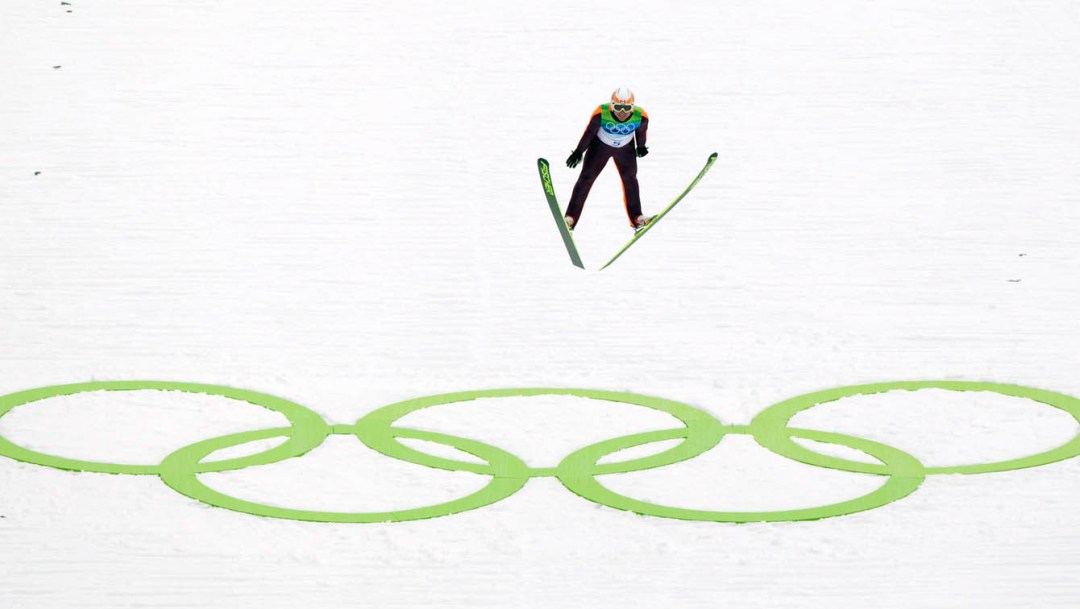
Nordic combined incorporates ski jumping and cross-country skiing. It is the last sport on the Olympic program that is contested only by men.
The ski jumping portion of the competition is held first, followed by a cross-country skiing pursuit race later that same day. Using the Gundersen method to convert points to time, the top finisher in ski jumping will be the first to start the cross-country race in which the start intervals are determined by the scores from the ski jumping. The first skier to cross the finish line is the winner.
There are two differently sized jump hills on which the ski jumping portion can be contested: normal hill and large hill.
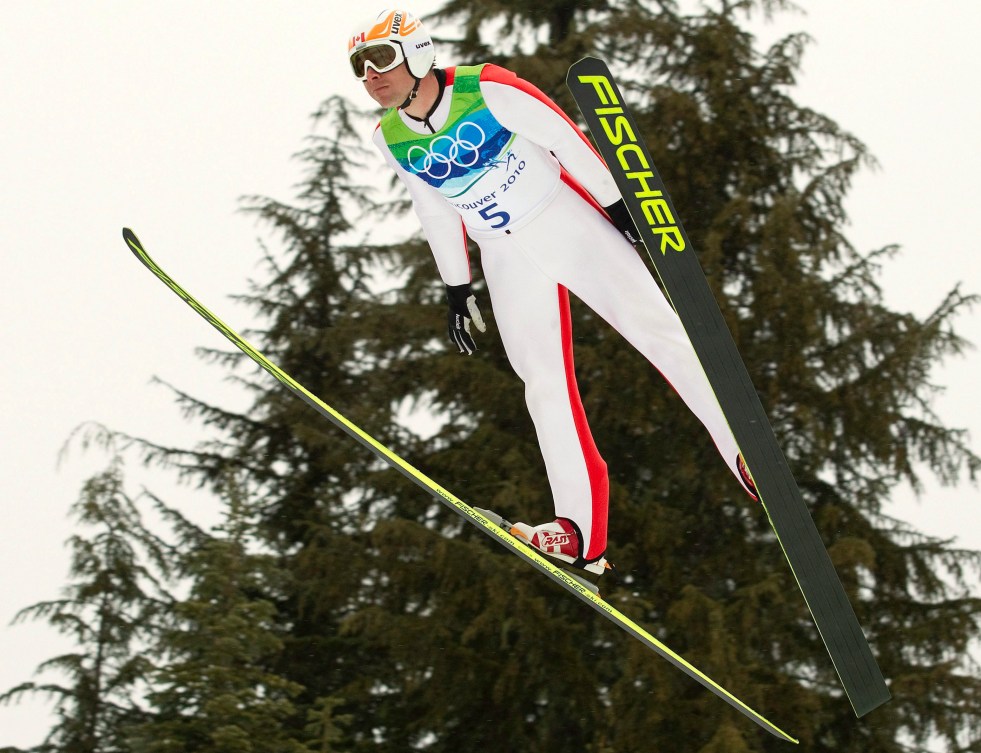
In the men’s individual Gundersen normal hill/10km and individual Gundersen large hill/10km events, each competitor does one ski jump followed by 0km of cross-country skiing race.
In the team sprint large hill/2×7.5km event, the two athletes each do one ski jump. The total score for the team determines the start order for the cross-country relay portion of the event in which the two team members alternate as they each ski five laps of a 1.5km loop.
Canadian Olympic Nordic Combined History (Pre-Milano Cortina 2026)
Canada has not yet won an Olympic medal in Nordic combined. The country’s best ever finish came at Lake Placid 1932 where Jostein Nordmoe placed 10th overall in the individual normal hill/18km cross-country.
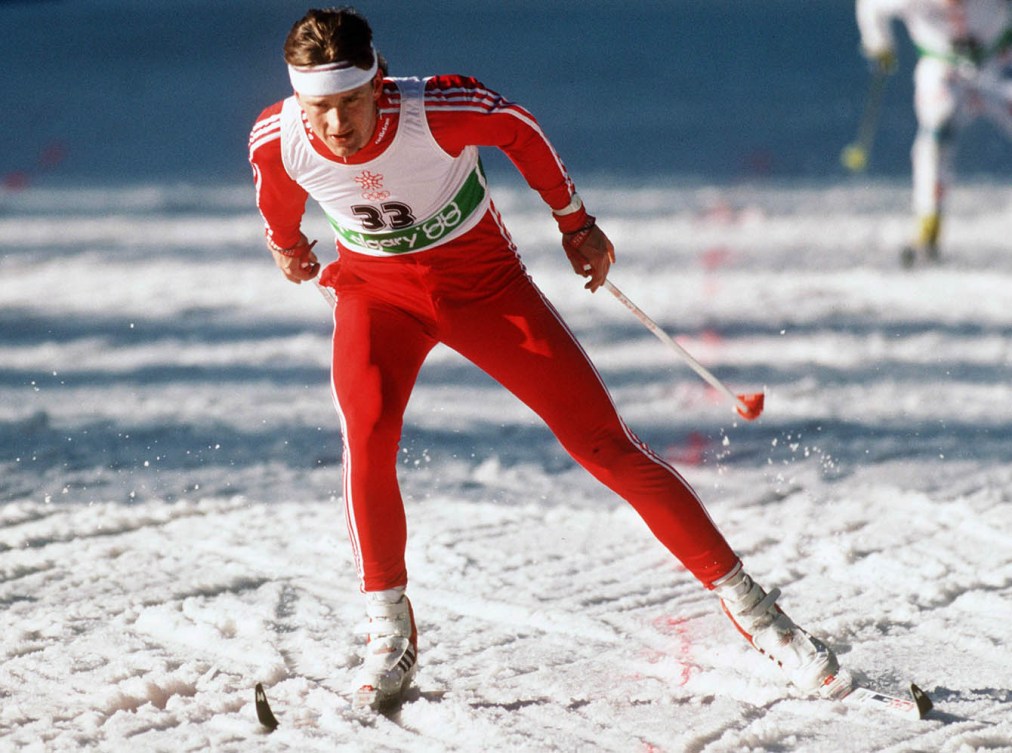
Canada’s most recent Olympic Nordic combined competitor was Jason Myslicki at Vancouver 2010, where he placed 45th and 44th in the men’s individual normal hill/10km cross-country and the men’s individual large hill/10km cross-country, respectively.
Olympic Nordic Combined History
Nordic combined has been included at every Olympic Winter Games dating back to the first edition at Chamonix 1924. Until Calgary 1988, where a team event debuted, there was only one individual event on the Olympic program. A second individual event was added at Salt Lake City 2002. The competition formats of all three events have changed several times over the years.