Team Canada Olympians share advice for young athletes on Olympic Day

The road to an Olympic podium can often appear as the singular vision for Team Canada athletes, but a life shaped by sports brings much more to the table than competition itself.
Sports are a vehicle for community, motivation, and self-confidence. Although it may look like a game from the outside, life lessons such as resilience, teamwork, and communication all play out on the field of play, no matter the level of competition.
For this year’s Olympic Day, the International Olympic Committee is aiming to bring together today’s youth through sport and physical activity with its ongoing Let’s Move initiative.
In collaboration with the World Health Organization, this year’s message—You Can Do This!—aims to empower young people to make their first move when it comes to sport and physical activity. Today’s youth experience many barriers to entry in sport, with self-doubt being among the top contributing factors, says the IOC.
In anticipation of this year’s Olympic Day theme, we talked to three Olympic athletes who rose to the occasion and made sports a central part of their lives. For these world-class athletes, self-doubt is something they overcame multiple times throughout their respective journeys.
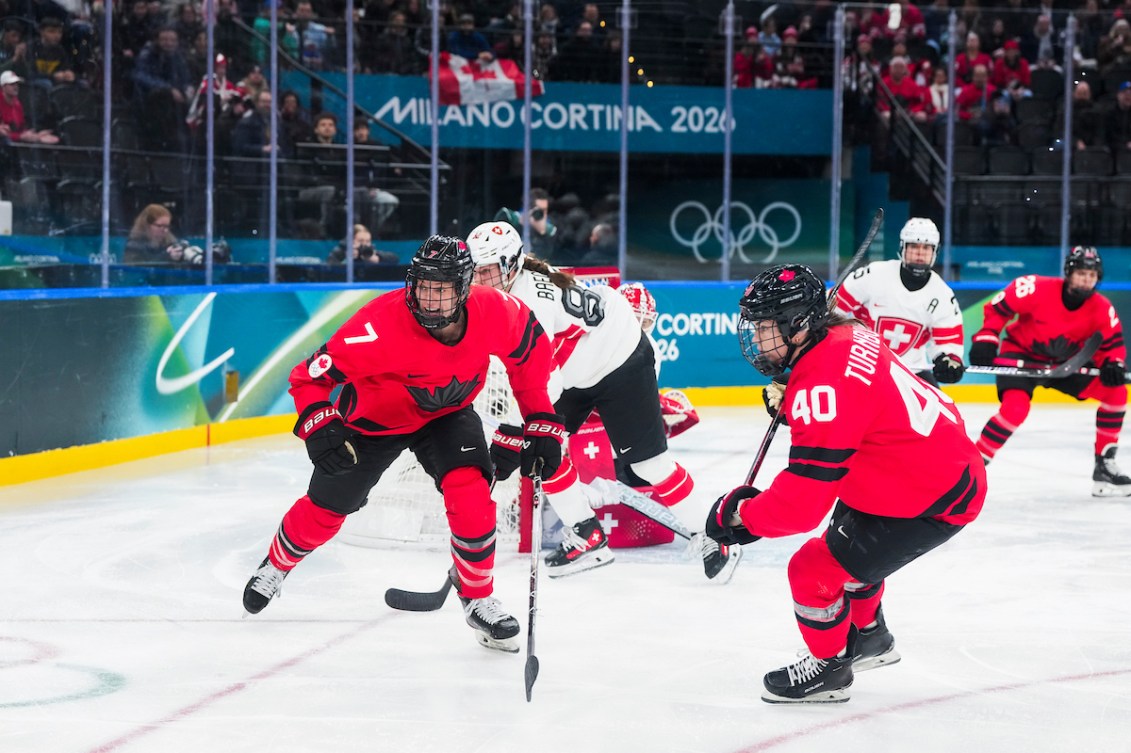
Laura Stacey has won three Olympic medals as a part of Team Canada’s women’s hockey team. Despite her accomplished resumé, Stacey recalls hearing questions about her worthiness as an athlete throughout her career.
“I think I’ve been told plenty of times that I’m not good enough, too tall, too lanky, too this, too that. At the end of the day, you have to believe in yourself and just go for it,” she said.
“I played so many sports growing up. Obviously, I found hockey, I fell in love with hockey and getting to play with teammates and some of the people I met along the way.”
Stacey says community and camaraderie were key factors in sticking with the sport in the face of adversity.
“I couldn’t skate at the beginning. I was told I was not good enough, but I loved it. I wanted to be out there, I wanted to be surrounded by my teammates.
“I think the life lessons it teaches you—the discipline, the resilience, the humility—I think everything that you use in regular everyday life has somehow come from a lesson that I’ve learned in hockey. Whether it’s adversity and facing challenges, finding a way to get back up after you’ve fallen so many times, or having the self-confidence of, if nobody else believes in you, you can believe in yourself.”
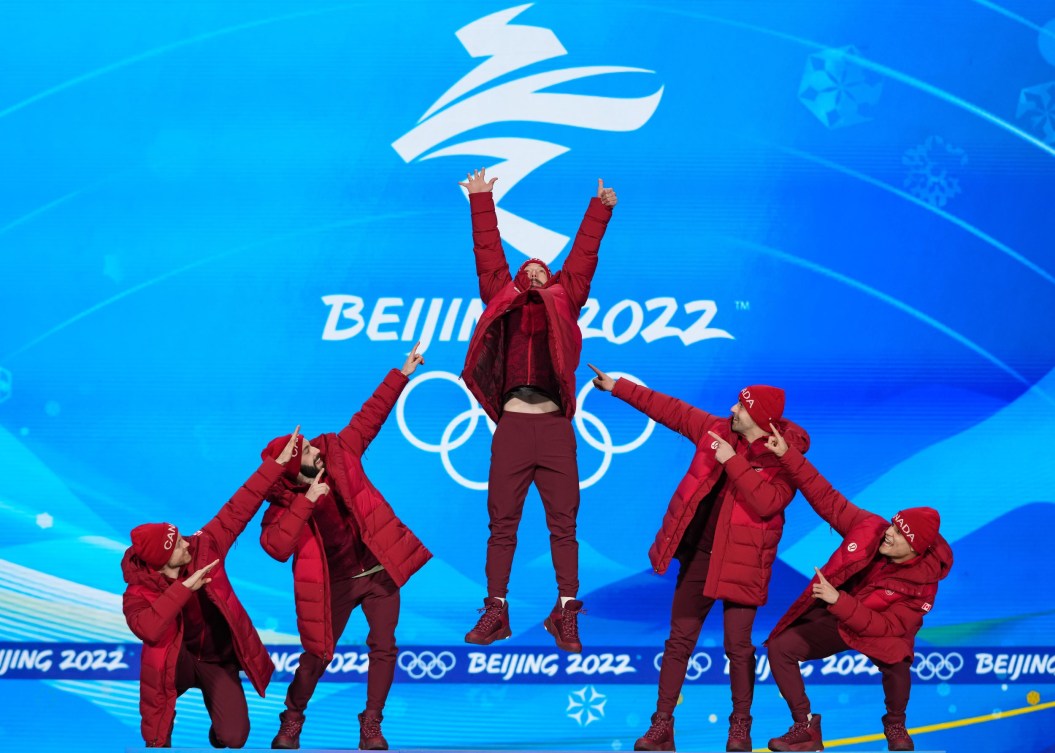
With his six Olympic medals, short track speed skater Charles Hamelin is up there among Canada’s most decorated Olympians. He says development in sports teaches key lessons in patience from a young age.
“When I was young, I wasn’t good at skating. It took me 10 years to become one of the best in Quebec. If I could do it, you can too,” is his advice to young athletes.
“The most important thing, without a doubt, is having the courage to try. If you have the courage to try a sport, tell yourself that you have a head start on most people.”
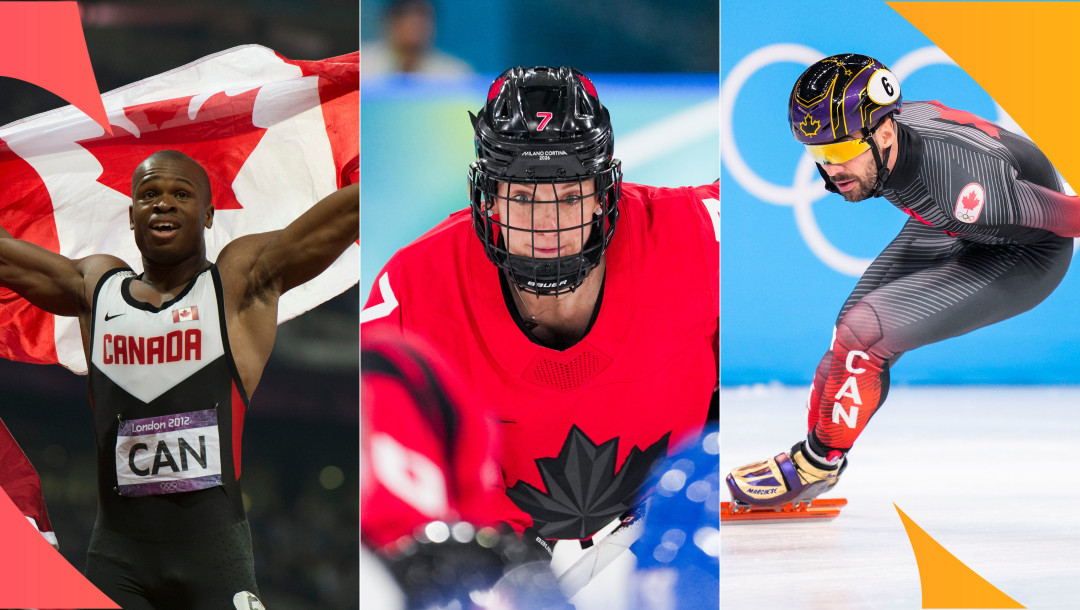
Seyi Smith has one of the more unique stories among Canadian Olympians when it comes to trying new sports. Smith competed at London 2012 as a member of the 4x100m relay in track and field. Five years later, he decided to begin training in bobsleigh. Six years after his Olympic debut, he returned to the Games as a winter athlete, racing as a member of Justin Kripps’ four-man crew at PyeongChang 2018.
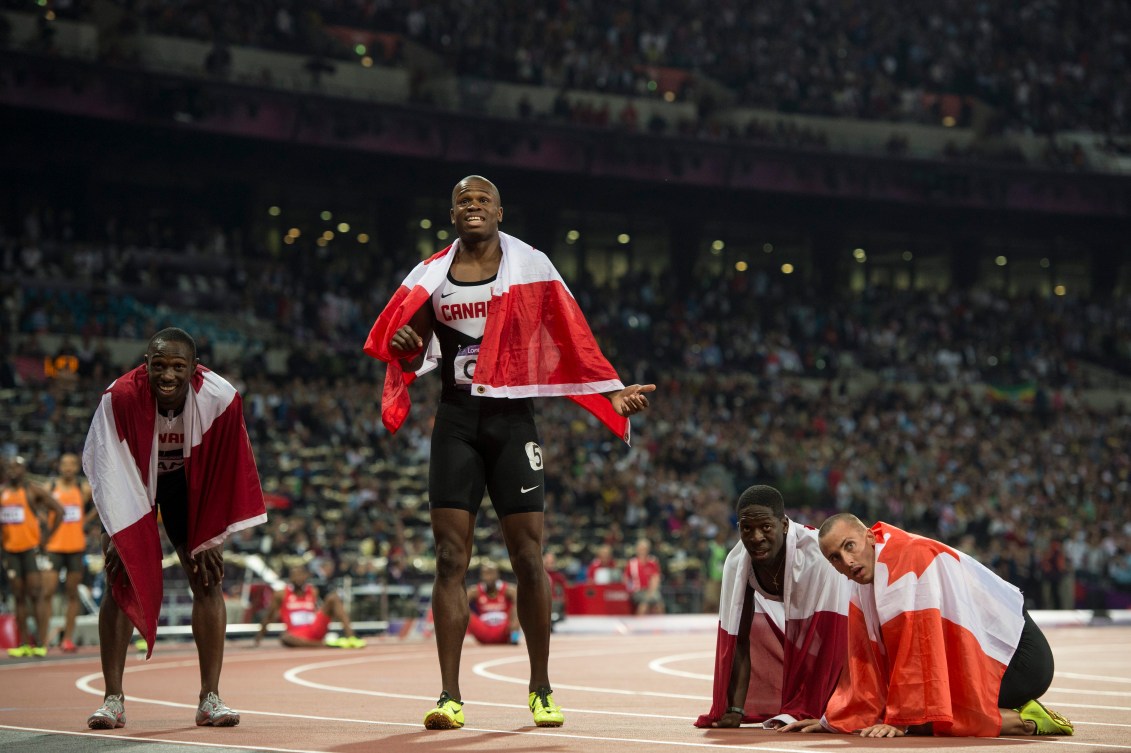
“100 per cent, [trying a sport] is more important than being great at a sport. Sport is not about the medals and the winning, it’s about the journey and what you get to become along the way,” Smith said.
“Sport can change a young person’s life in a million different ways,” said Smith, who had many reasons to be thankful about the blessings being in the sports world gave him.
“It changed my life because it got me to my job, it got me to my wife and my family. Everything I have in my life is thanks to sport. So, depending on who you are, it can lead you many different ways.”