Alpes 2030 to be first gender-equal Olympic Winter Games with new disciplines set to debut

History will be made at Alpes 2030, which will be the first Olympic Winter Games to achieve full gender parity.
The event programme approved by the IOC Executive Board includes quotas for 3046 athletes, which will be distributed to 1525 women and 1521 men. This represents an increase from Milano Cortina 2026 where women accounted for 47 per cent of athlete participants.
The programme for Alpes 2030 includes 126 events: 56 for women, 55 for men, and 15 mixed gender.
Alpes 2030 Official Event Programme
The biggest impact on gender balance comes from the addition of synchro9, a newer form of synchronized skating, and the removal of Nordic combined, which had been the last male-only discipline at the Olympic Winter Games. Though Nordic combined was part of the Olympic Winter Games since their first edition in 1924, the discipline has continued to face challenges in terms of universality and participation. Only five National Olympic Committees won medals in Nordic combined across the last four Olympic Winter Games.
All but three disciplines now have complete gender balance in the number of athletes who will compete. Luge has been evened out, with spots for 53 men and 53 women (compared to the 59 men’s spots and 47 women’s spots at Milano Cortina 2026).
Bobsleigh has been allocated 104 spots for men and 68 spots for women, a differential that can be attributed to the four-man event which requires more athletes. But the divide is not as large as it was for Milano Cortina 2026, which allowed for 114 men and 56 women.
In ice hockey, while there continues to be 300 spots for men, an additional 20 spots have been allocated to the women’s tournament, increasing the number of female players to 250.
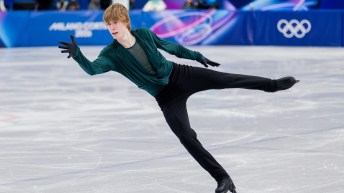
Figure skating will now feature more women than men, thanks to the addition of synchro9, which will be a women’s event. The allotted quotas for all figure skating events are 69 men and 159 women.
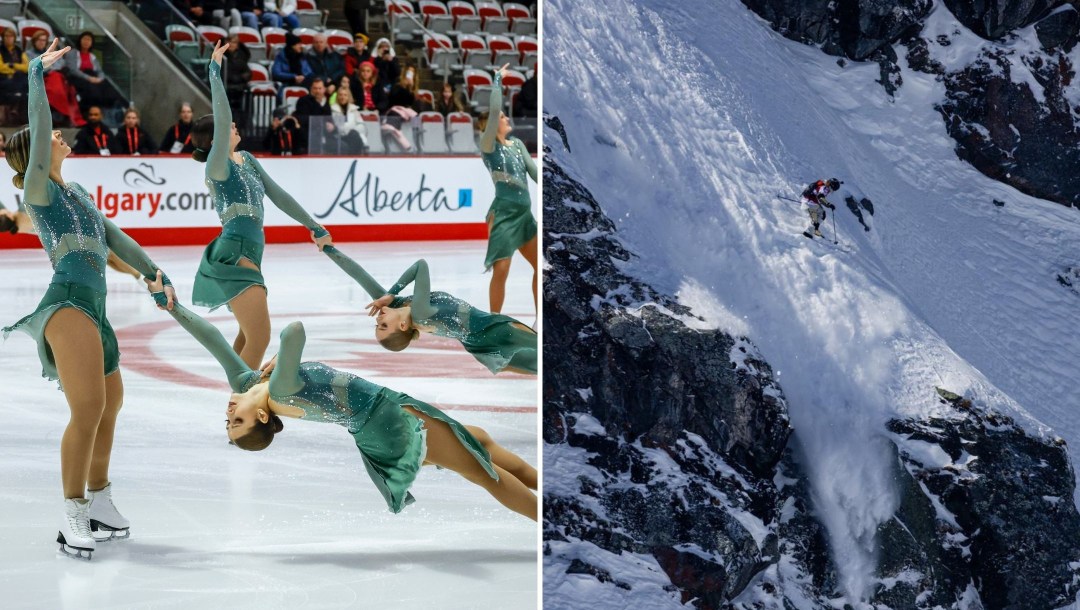
This is the first time that synchronized skating, which was officially recognized as a discipline by the International Skating Union in 1994, will appear on the Olympic program. The traditional form of synchro skating features up to 16 skaters per team, which was a roadblock to it becoming an Olympic event. As the name suggests, synchro9 features nine skaters per team. This modernized format, which is said to be faster, more dynamic, and easier to follow, was created with the ambition of Olympic inclusion. Just a few months ago, synchro9 was confirmed for the 2028 Winter Youth Olympic Games.
An entirely new skiing and snowboard discipline has been added: freeride, a style that takes place on natural, ungroomed terrain. There will be four events: men’s ski, men’s snowboard, women’s ski, women’s snowboard.
The first competitive freeride event took place in 1996. Over the last few years, it has experienced rapid international growth with a strong youth fanbase. This past February, the first freeride world championships under the purview of the International Ski and Snowboard Federation took place. Justine Dufour-Lapointe, who won two Olympic medals for Canada in moguls, won silver in the women’s ski event at those world championships.
Here’s a look at some other changes within sports:
Biathlon
The single mixed relay has been added, becoming biathlon’s 12th event. It was first featured at the IBU World Biathlon Championships in 2019 and has been an IBU World Cup event since 2015. Each team is composed of one man and one woman who alternate over four legs.
Freestyle Skiing
There will be a mixed team ski cross event, which has been part of the FIS World Championships since 2023. Just like mixed team snowboard cross, teams consist of one man and one woman.
Long Track Speed Skating
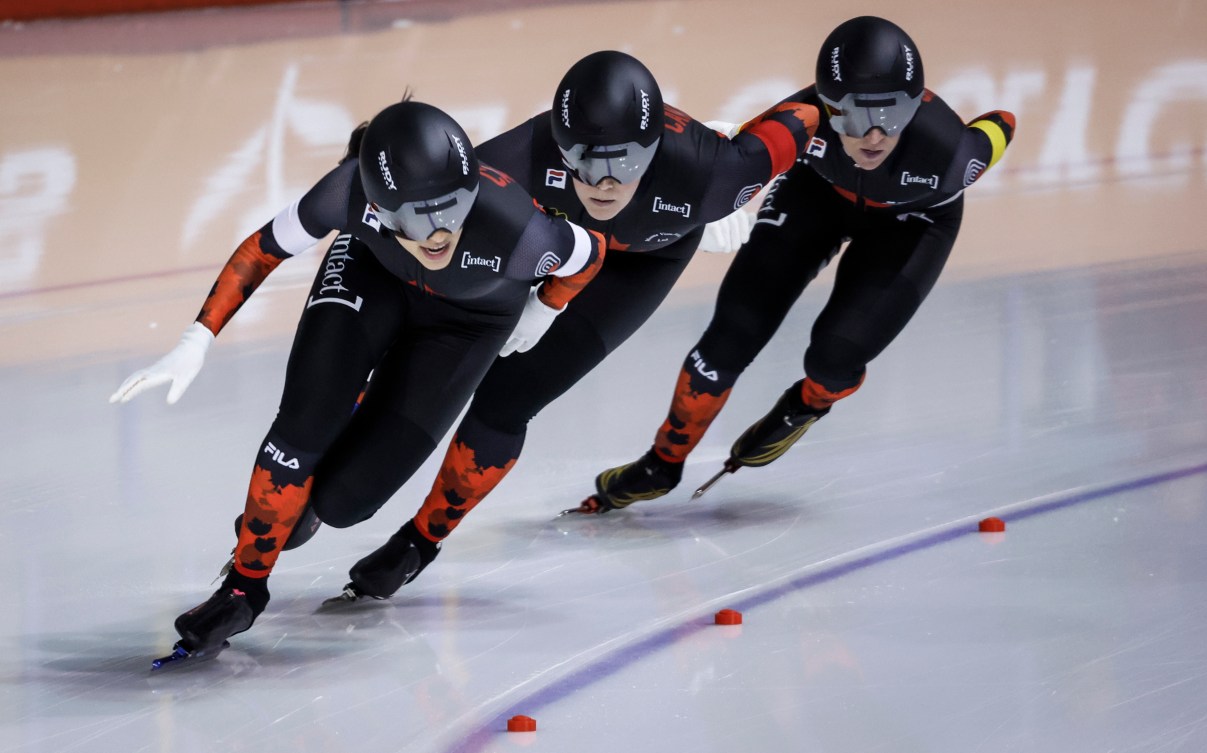
Team sprints have been added for men and women. These events have been part of the ISU World Single Distances Speed Skating Championships since 2019. Canada has been a perennial podium contender in the team sprints, sweeping the gold medals in both the men’s and women’s events in 2023 and 2024.
Snowboard
The parallel giant slalom events were retained on the program after the IOC looked at a number of popularity indicators during Milano Cortina 2026 and determined that there had been significant improvement since 2022. In addition to the men’s and women’s PGS events, a mixed team parallel event will now be included. Featuring teams of one man and one woman, that event has been part of the FIS World Championships since 2023.
Ski Jumping
There is now full gender balance in the ski jumping events with the addition of the women’s super team event. It has been included in FIS World Cup competition since 2023.
Ski Mountaineering
After a successful Olympic debut at Milano Cortina 2026, skimo returns as an OCOG proposed sport. There will be two more events as the men’s and women’s individual, considered the most traditional and classic form of skimo, join the sprint and mixed relay events on the program.