The power of asking for help: Athletes open up about mental health and support systems

For athletes and non-athletes alike, mental and physical health are inseparable. The same pressures that shape an athlete’s performance—stress, expectation, fatigue, self-doubt—show up in the lives of everyday people juggling demanding jobs, caregiving roles, or major life transitions. The stage may differ, but the strain feels remarkably similar, and both can be addressed with a team approach.
Dr. Rachel Lyon, a clinical psychologist and clinical lead at Homewood Health—Canada’s leader in mental health services—sees these parallels every day. She notes that high-performing individuals may delay seeking mental health support due to a strong sense of self-reliance, and high expectations of their ability to solve problems independently.
“That belief that they need to be able to hold or handle all stress and challenges on their own can lead to delays in seeking treatment,” says Dr. Lyon.
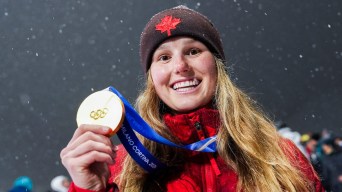
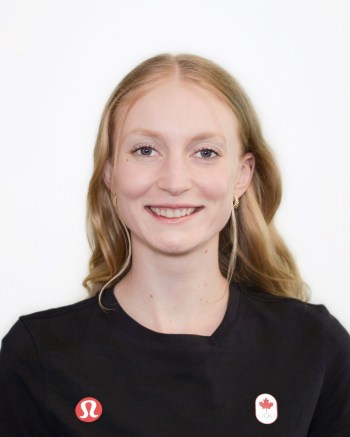
This certainly rings true for skeleton athlete Hallie Clarke, who was thrust into the spotlight when she won gold at the 2024 IBSF World Championships, becoming the youngest ever skeleton world champion.
“Being one of the youngest in our sport, I always felt like I had to act older and pretend I knew everything, and that trickled into the mental side of things,” said Clarke. “When the time came that I really did need help, it took so long for me to be able to ask for it, because for years I had been in that ‘fake it ‘til you make it’ attitude.”
So what exactly might a mental health practitioner work on with a high performer? The short answer is, it depends on the individual.
“It’s going to depend on what we collaboratively decide are the presenting needs and goals of the individual,” says Dr. Lyon.
Dr. Lyon explains there are three primary areas that she considers as a psychologist:
- Proactively building skills and habits that help people to manage their overall mental health
- Developing strategies to allow individuals to cope and regulate more effectively in moments of stress
- Assessing and treating clinical symptoms that may represent mental health disorders
The big picture: Habits, goals, and self-reflection
When it comes to athletes, Dr. Lyon says some of the big picture items she would tackle might include setting boundaries between sport and personal life, encouraging downtime and planning activities external to sport, as well as lifestyle factors like sleep habits, which support mental wellness.
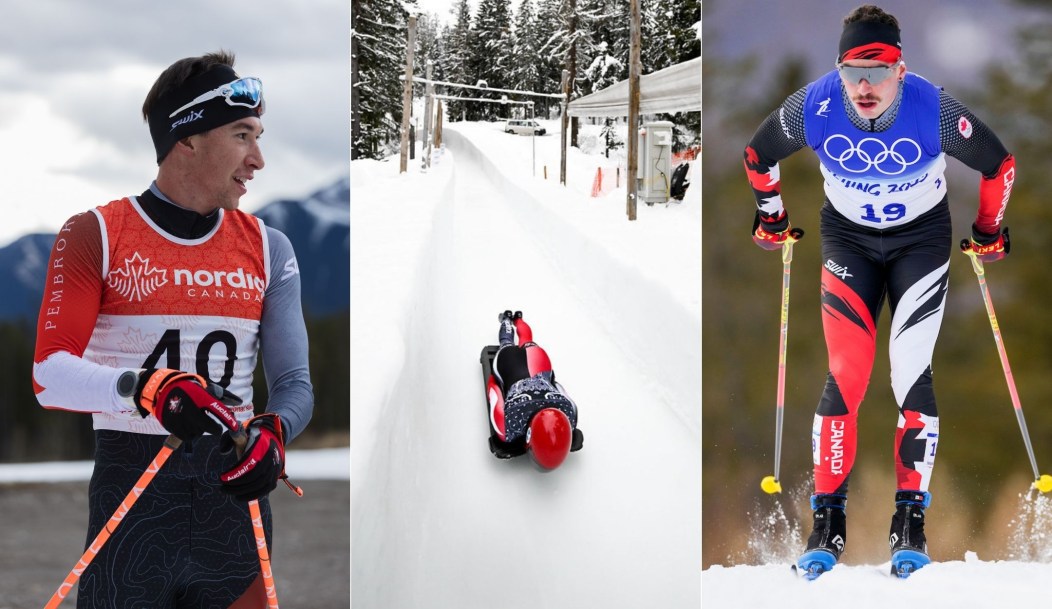
Cross-country skiers Antoine Cyr and Xavier McKeever have both found that a journaling practice has also been a crucial way to stay in touch with how they’re feeling, as well as document the work they’ve put in towards goals.
“I do a lot of self-reflection exercises after training sessions or races,” said Cyr, who competed at the Beijing 2022 Olympic Winter Games. “I think they’re really good to either turn the page and move on, or to reflect on reasons to be proud and happy.”
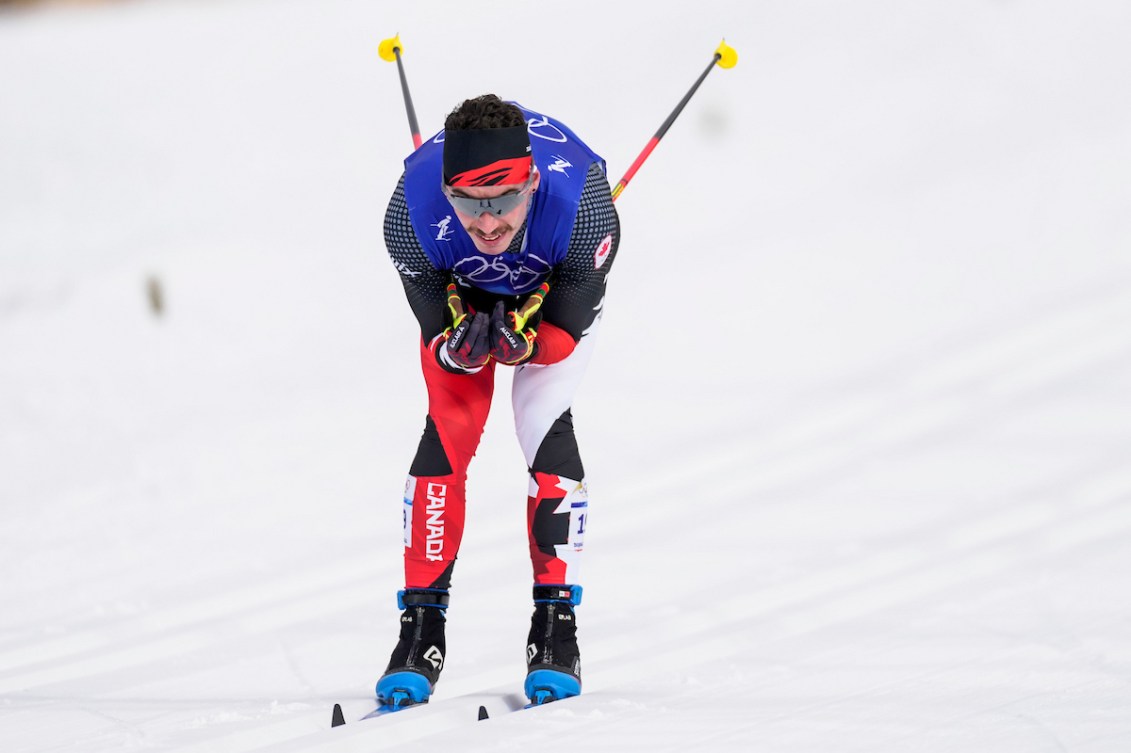
McKeever was first exposed to the benefits of working with a sport psychologist through his high school sports program. His final years of high school, as well as his training and racing opportunities, were dramatically altered by the pandemic. After a disappointing season, the isolation of the pandemic, and the emotional weight of an ill family member, McKeever realized he might need some outside help.
“That’s the moment where I learned how impactful mental health can be, and how all of a sudden you can just feel like you’ve been trampled by an elephant,” said McKeever.
He reached out to the same sports psychologist he saw in high school, and the two of them started working on figuring out what mental health and mental performance looks like specifically for McKeever.
“I’d say one of the things I would struggle with sometimes was confidence in myself with my skiing,” said McKeever.
As it has been for Cyr, journaling has been an opportunity for McKeever to build that confidence, and reflect on all the work that he has done.
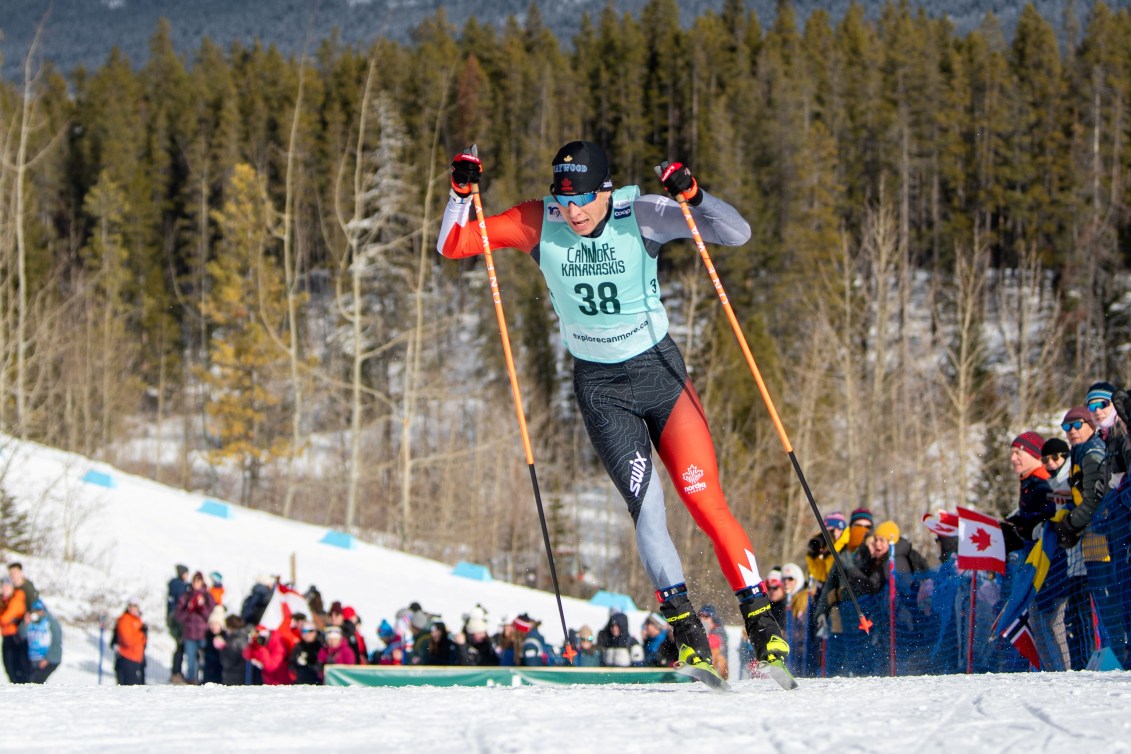
Dr. Lyon points out that these skills of self-reflection, reframing of thoughts, and management of difficult emotions are all life skills that are essential far beyond elite sport. The practices these athletes rely on mirror the same evidence-based methods Homewood clinicians use across their national programs. Whether someone is training for the Olympics or navigating burnout at work, these tools form the foundation of Homewood’s approach to long-term recovery and resilience.
Homewood’s approach: Skills for life
Homewood clinicians focus on equipping people with lifelong skills: regulating stress, building healthy routines, understanding their emotions, and knowing when to ask for help. These are the same skills that help athletes perform – and help everyday Canadians stay well.
Working with a psychologist can also help people to develop further strategies to respond in the moment to intensely stressful experiences. Some of these strategies might include mindfulness, grounding, or breathing exercises.
“I didn’t realize how few tools I had in my toolbox until I started [working with a mental health practitioner],” said Clarke.
But now she has a variety of strategies that she can call upon when needed.
“One that I really liked was imagining that [unhelpful] thought on a cloud, and watching it drift away,” said Clarke. “It sounds so silly and simple, but it’s that thing where you aren’t your thoughts.”
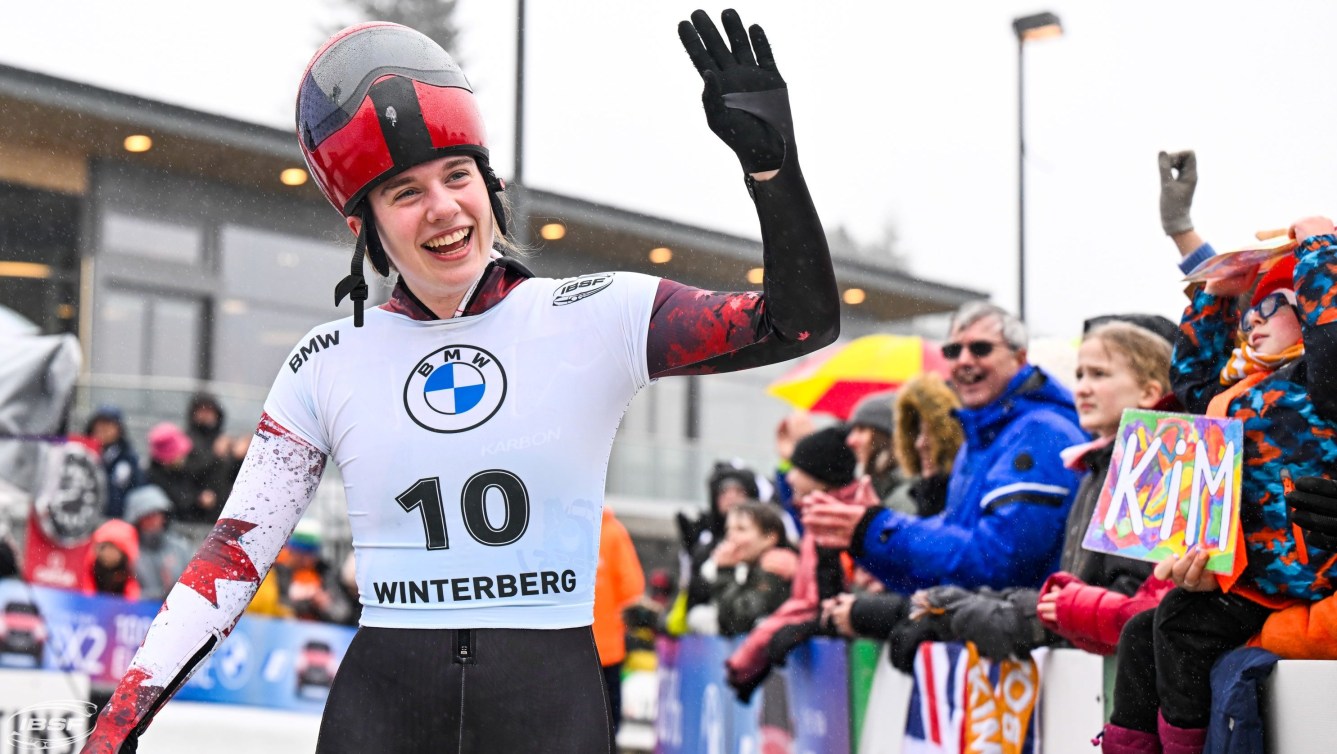
Clarke has also implemented focus work that helped her cue into the right headspace to perform. Similarly, Cyr likes to return to his “why” when things get difficult.
“Whether it’s during a race or a big event, or a hard training session, I like to go back to my core values of what I’m doing,” he said.
Another strategy when things get tough is to think about how stoked his younger self would be that he’s made it this far.
“Sometimes I think, ‘Oh man, I don’t feel like doing this,’ but then I remember that when I was 10 years old, I would have done everything in my power to be in that situation,” said Cyr. “Only in my wildest dreams was I imagining myself at the start line of a World Cup, or the bottom of the last climb of the Tour de Ski. Remembering what young me was dreaming of helps re-centre my energy.”
Don’t wait to ask for help
Clinical psychologists are trained to assess when clinical symptoms cross the threshold into mental disorder, which could include experiences such as anxiety disorders, depression, eating disorders, obsessive compulsive disorder, and substance abuse, among others.
Dr. Lyon notes that while many people seek assistance as a reactive response to a negative experience, working with a mental health practitioner proactively is a great way to help protect our mental health.
For youth athletes, she says, coaches and caregivers can play a big role.
“It’s incredibly beneficial to start having early conversations about stress and mental health proactively, because it normalizes the topic,” said Dr. Lyon. “Coaches and caregivers can work on actively listening to young athletes without judgement and being open to hearing their experience.”
Another specific strategy that parents and coaches can take note of is making sure that they’re praising not only performance-related accomplishments in youth but also complimenting when youth exhibit traits such as good work ethic, positive attitude, or are being a supportive teammate.
Cyr says he still thinks of this reframe of attitude and effort over performance as an Olympian.
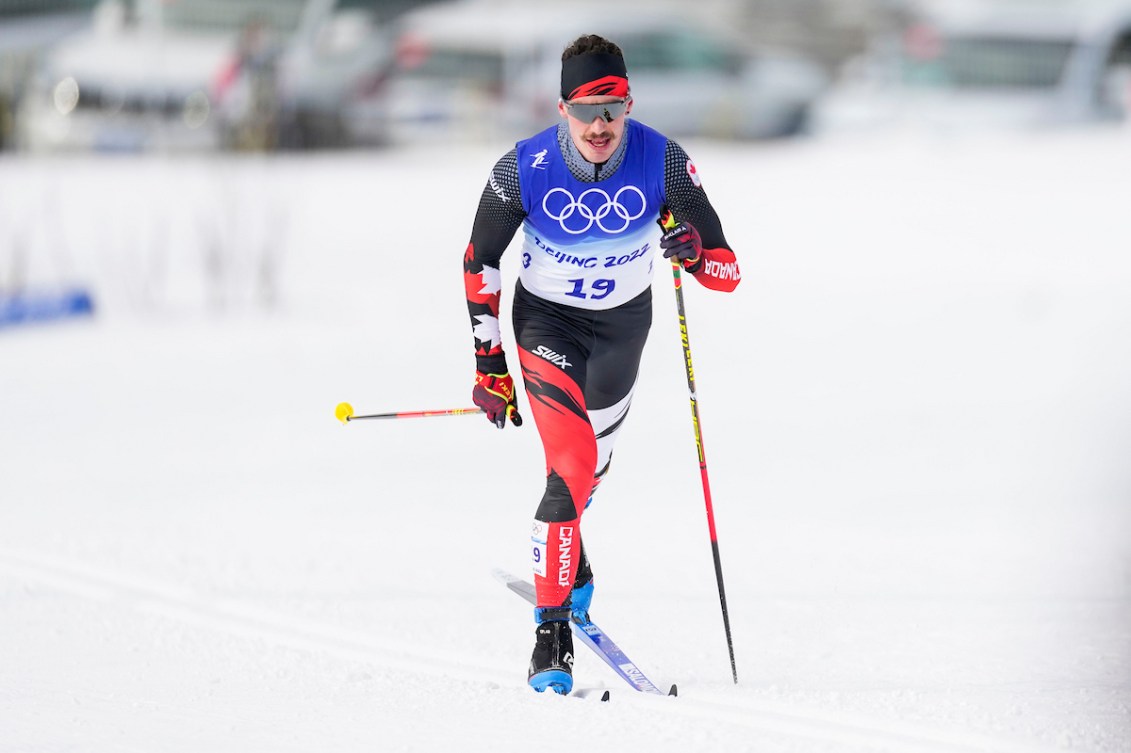
“Whenever I’ve set goals that were based on ranking, or performance, it was never that good of an outcome,” he explained. “But when I make goals about how I can show up to races and training and in my everyday life as the best version of myself, that’s going to translate.”
Social media can be another challenge for athletes, from youth up to elite and Dr. Lyon recommends setting boundaries around one’s engagement with social media.
McKeever has implemented some for himself when he found that scrolling ahead of races made him more nervous and anxious. Instead, he’s been bringing Lego sets with him on race trips to give his mind a meditative project to work on.
Lean on your people
Dr. Lyon emphasizes that social support is a protective factor for mental health. For athletes, that might also mean making sure they have a trusted person outside of the realm of sport that can help them keep their balance.
Family members, friends, coaches and teammates are all within an athlete’s circle of care and can be the first ones to witness warning signs like changes in mood, increases in anxiety, loss of enjoyment, and fatigue.
Cyr, McKeever, and Clarke are all emphatic in their recommendation to other athletes to seek support.
“Not being afraid to ask for help when you need it is huge,” said McKeever. “It completely turned around my skiing, and really changed the athlete that I am. And, you know, it was as simple as sending one email to get the ball rolling.”
Clarke feels incredibly strongly about the importance of her experience working with mental health practitioners.
“It sounds dramatic, but it saved my life.”
As the official mental health services provider for the Canadian Olympic Committee, Homewood Health provides athletes with access to a comprehensive range of supports and services. These mental health services are offered through Game Plan—Canada’s holistic athlete-support network. Those same trusted clinical standards guide every level of Homewood’s unparalleled continuum of care—from counselling to intensive treatment—making Homewood Canada’s leader in mental health, meeting people where they are, when they’re ready.