Canadian ice dance teams all advance to final at the Milano Cortina 2026 Olympics

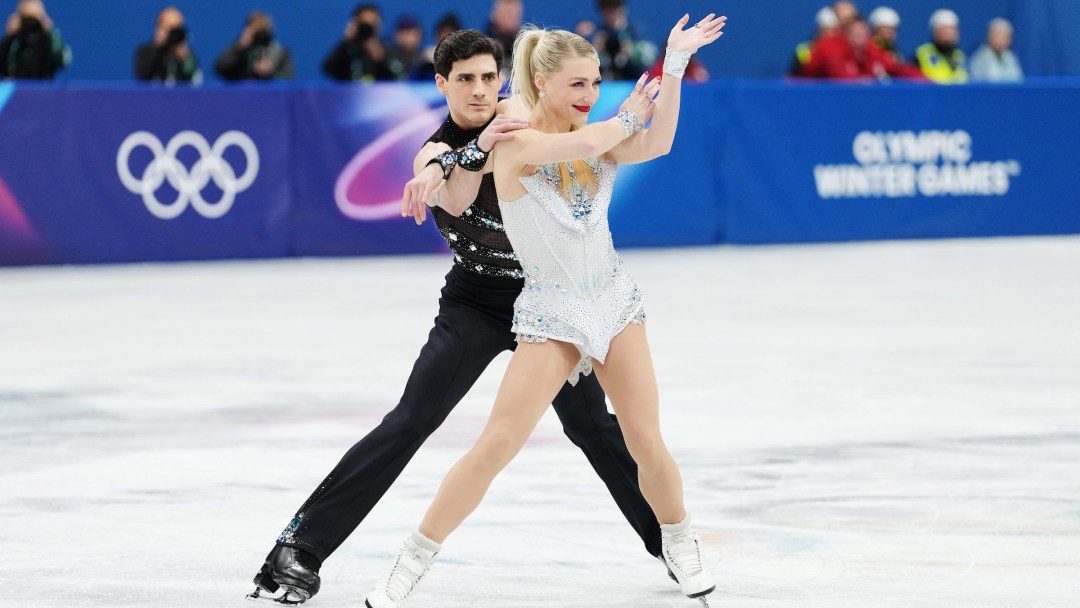
All three Canadian pairs advanced out of the rhythm dance section into Wednesday’s Olympic ice dance final, led by three-time Olympians Piper Gilles and Paul Poirier.
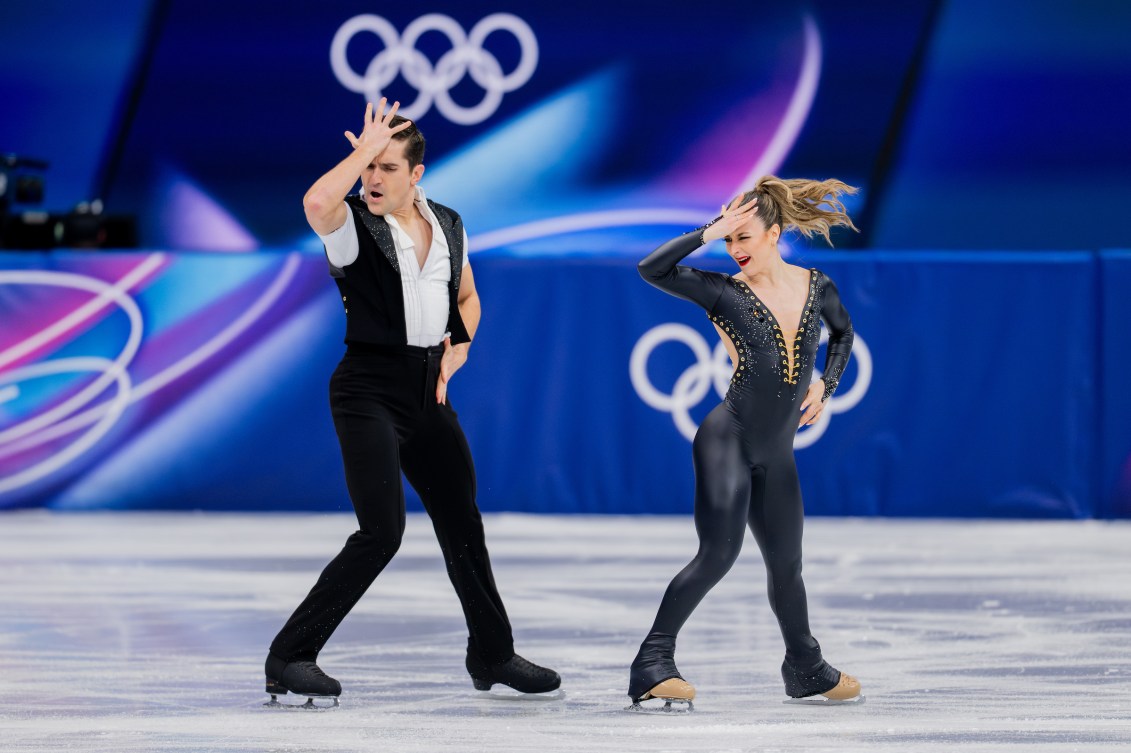
The four-time World medallists skated a nearly flawless program Monday to earn an 86.18 score, good enough for third place heading into the final segment of the event.
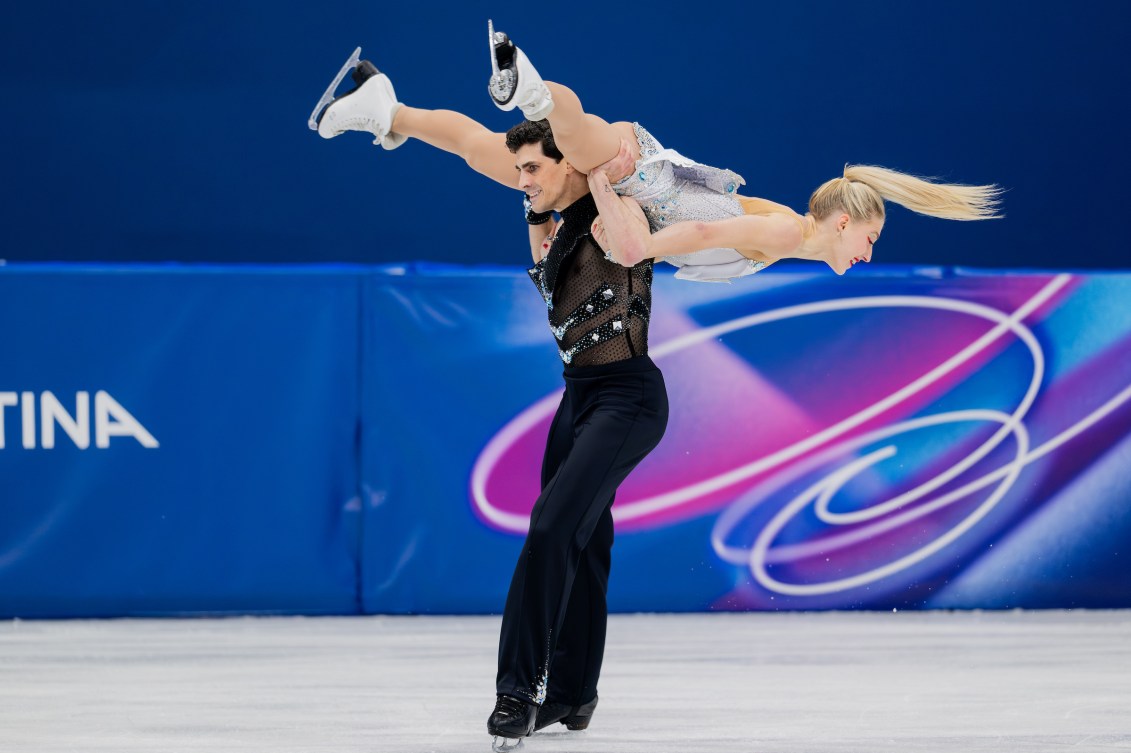
Team Canada’s Piper Gilles and Paul Poirier compete in Figure Skating Rhythm Dance Qualifications at the Milano Cortina 2026 Olympic Winter Games in Italy on Monday, February 09, 2026. Photo by Danielle Earl/COC 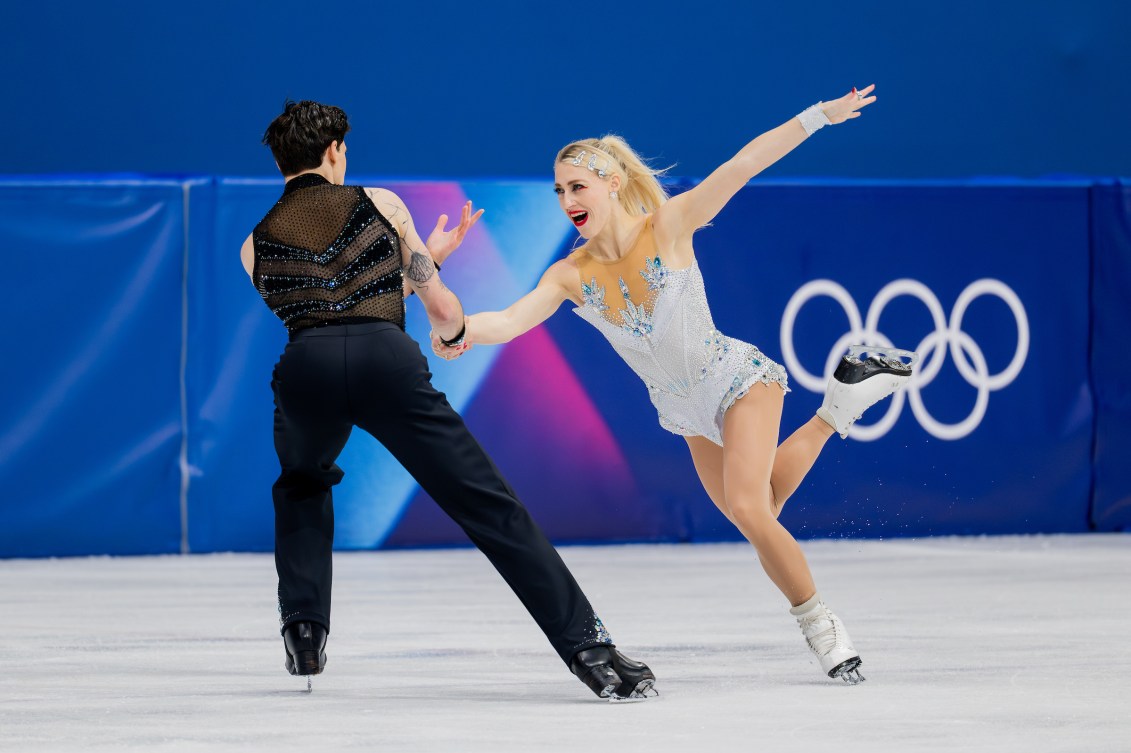
Team Canada’s Piper Gilles and Paul Poirier compete in Figure Skating Rhythm Dance Qualifications at the Milano Cortina 2026 Olympic Winter Games in Italy on Monday, February 09, 2026. Photo by Danielle Earl/COC
“It was such a nice performance, we were really in the zone today, really focused,” Gilles said of their successful skate. “We kind of had our blinders on. It allowed us to skate in the present. We went in feeling motivated and hungry and just so ready to enjoy and immerse ourselves in the program. It was such a joy to perform today.”
Gilles, a 32-year-old Rockford, Ill, native who got her Canadian citizenship in 2013, and Poirier, a 34-year-old Ottawa native who speaks four languages, came to Italy with a resume that includes two silver and four bronze world championship medals.
The two finished fourth in the rhythm dance portion of the team event earlier in the competition, and they carried that momentum into their individual event.
The French team of Laurence Fournier Beaudry, a Montreal native, and 2025 Olympic champion Guillaume Cizeron, are leading with 90.18 points with Americans Madison Chock and Evan Bates second with 86.18.
Marjorie Lajoie and Zachary Lagha sit ninth with 79.66 points and the team of Marie-Jade Lauriault and Romain le Gac sit 15th with 74.35 points.
The top 20 teams advance, which only eliminated three of the 23 teams competing.
In ice dance competitions, skaters perform both a rhythm dance and a free dance with the scores combined to determine the medallists.
Dancing to this season’s theme of music, styles and feelings of the 1990s, the teams had less than three minutes to impress judges with their performances. The rhythm dance must include four different elements the couples incorporate into routines that are somewhat of a conflict: the sometimes glacier speed of ice dancing and the upbeat tempo of ‘90s music.
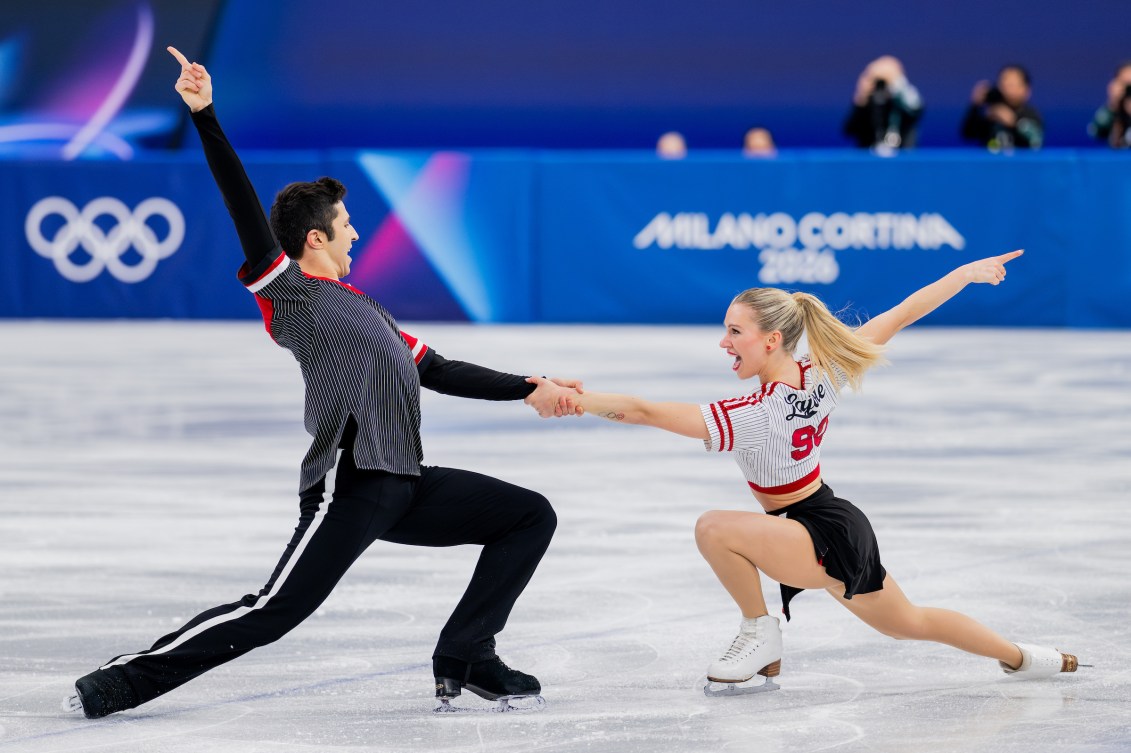
Dancing to the music, “Get Ready for This”, “I’ve Got The Power” and “Ole”, Lajoie and Lagha got the crowd stomping and chanting their support early in their program and that carried them through a minor mishap.
“It’s always fun hearing that the crowd loves our choice of music,” said Lajoie whose minor slip early in the program cost the team some valuable points.
“Right at the beginning … I was a little on my back at the end,” she said. “So that was a mistake.”
“For us the most important thing is the crowd…so mission accomplished,” added Lagha.
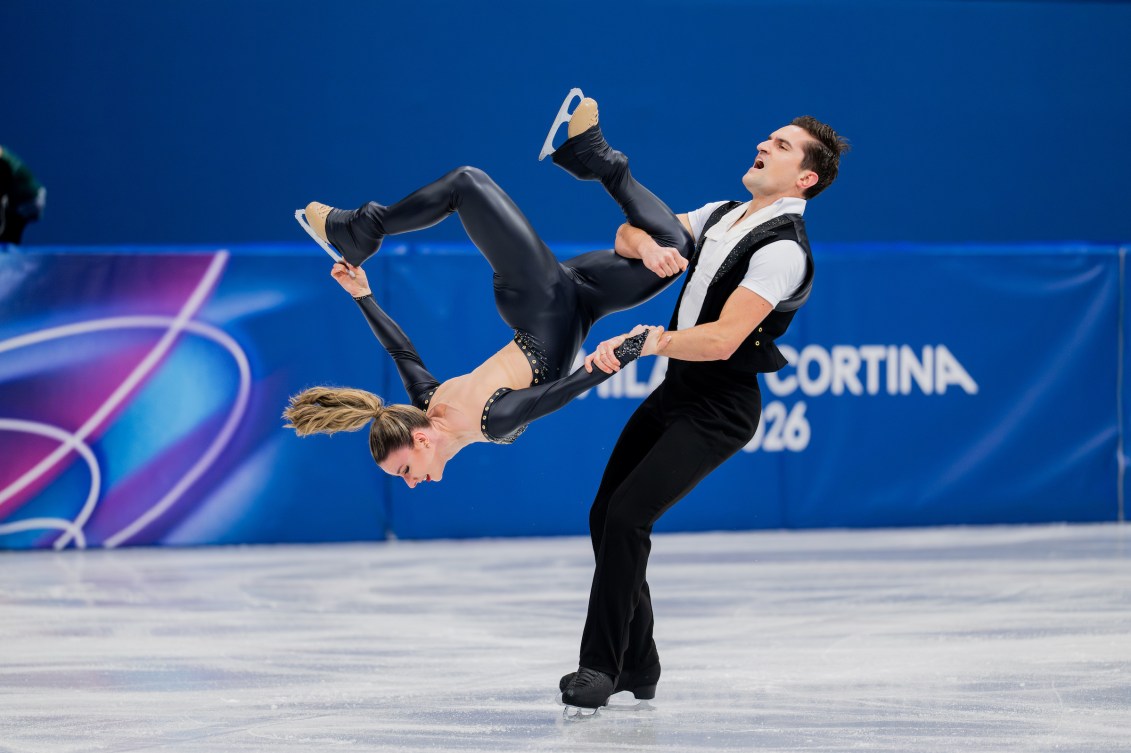
The third Canadian pair, Lauriault of Laval, Que., and le Gac, a native of France, skated to Tom Jones version of “You Need Love Like I Do”, after having to change their program in the weeks leading to the Games after they were one of several teams who ran into music copyright issues.
Le Gac said they found out in early December they couldn’t use the Prince music they had built their program around.
“We decided to keep the program for nationals,” he said. “But we were already planning plan A, plan B, plan C, plan D. After we got selected (for the Olympics) we went into this process, it was an adventure, there were some ups and downs.”
The hardest part, said Lauriault, was just coming to grips with the reality they had to change.
“When you build your program ,you see where you want to go with it,” she said. “So the hardest part after you put so much into building the program, was to let go of the fact we had to change. Once we got through that it was a matter of learning to move differently, every little nuance of the music. I think it was a good thing for us.”
Their final product, said le Gac, “matched perfectly the atmosphere of the Olympics. Tom Jones really fit into the vibe.”