Then and Now: A comparison of LA 1932 and LA 1984 to LA 2028

In 2028, Los Angeles will become just the third city to host the Olympic Games three times.
The “Entertainment Capital of the World” will again become the centre of attention of the sports world, 96 years after it hosted the Olympic Games for the first time and 44 years since its last turn welcoming the global spectacle.
Much has changed in Olympic sport over those decades, as more sports have been added, more countries are now competing, and women are being given greater visibility.
The Games Get Bigger and Bigger
| 1932 | 1984 | 2028 | |
|---|---|---|---|
| Duration | July 30-August 14 (16 days) | July 28-August 12 (16 days) | July 10-30 (21 days) |
| National Olympic Committees (NOCs) | 37 | 140 | 200+ (as well as the Refugee Olympic Team) |
| Athletes | 1332 (1206 men, 126 women) | 6829 (5263 men, 1566 women) | 11,198 (5563 men, 5635 women) |
| Events | 117 | 221 | 353 |
Los Angeles 2028 will be the longest Olympic Games in recent memory, with competition getting underway four days before the Opening Ceremony takes place on July 14. That date is still designated as Day 0, meaning the Closing Ceremony will conclude the Games, as has been tradition since Los Angeles 1932, on Day 16.
LA 2028 marks the first time ever that more Olympic quota spots are being allocated to women than men. LA 2028 will have more medal events than any previous Olympic Games. There will be 343 events in sports that are now core to the Olympic program, plus 10 events in sports that the organizing committee proposed for inclusion: cricket, flag football, baseball/softball, lacrosse, and squash.
READ: Los Angeles 2028 set to feature more women than men as new Olympic events revealed
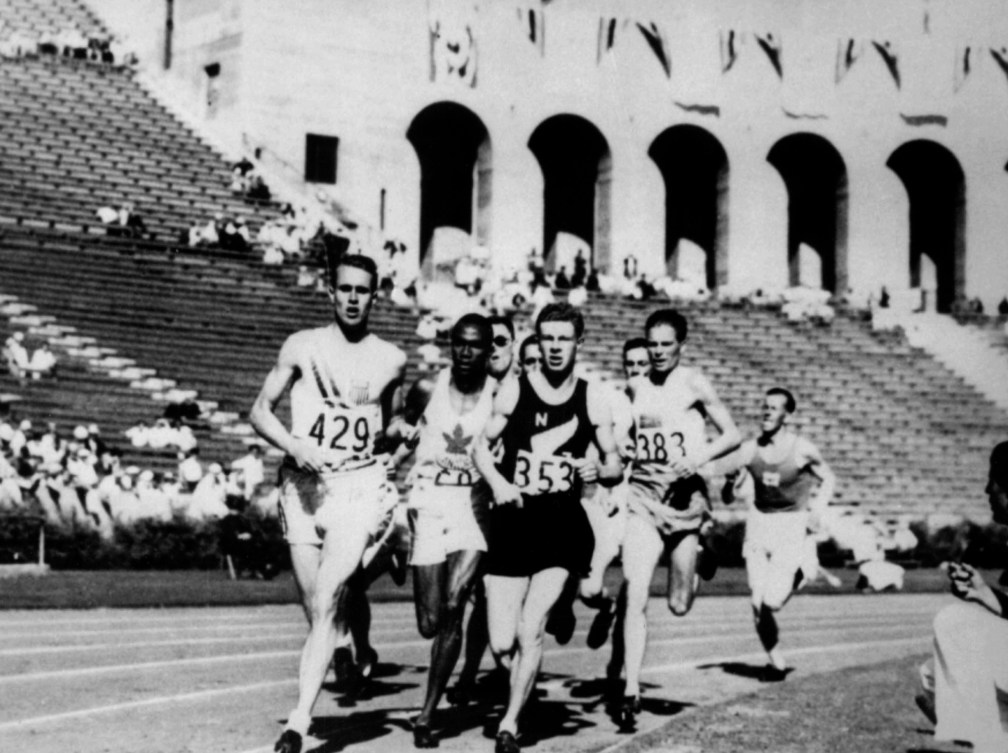
The scene is vastly different from the first time Los Angeles hosted the Olympic Games almost a century ago amidst the Great Depression. At that time, LA was a relatively remote city, given the modes of transportation available, so the number of participating athletes was the lowest since the last time the United States hosted the Games at St. Louis 1904. The overall athlete quota for LA 2028 is more than eight times the number of athletes who competed at LA 1932.
When Los Angeles next hosted the Games in 1984, the 140 NOCs that competed was a record at the time. That was despite a boycott led by the Soviet Union, in which they were joined by 13 other nations. LA 1984 provided more opportunities for women to compete thanks to the additions of synchronized (now artistic) swimming and rhythmic gymnastics that solely featured female athletes. But even that couldn’t completely balance the gender divide as many other sports remained male-only or were dominated by men’s events. At LA 2028, there will be just five more events for men than for women.

Canada’s Sharon Hambrook (left) and Kelly Kryczka perform their synchronized swimming routine at the Los Angeles 1984 Olympic Games. They would win the duet silver medal. (CP Photo/ COC/ Tim O’lett) 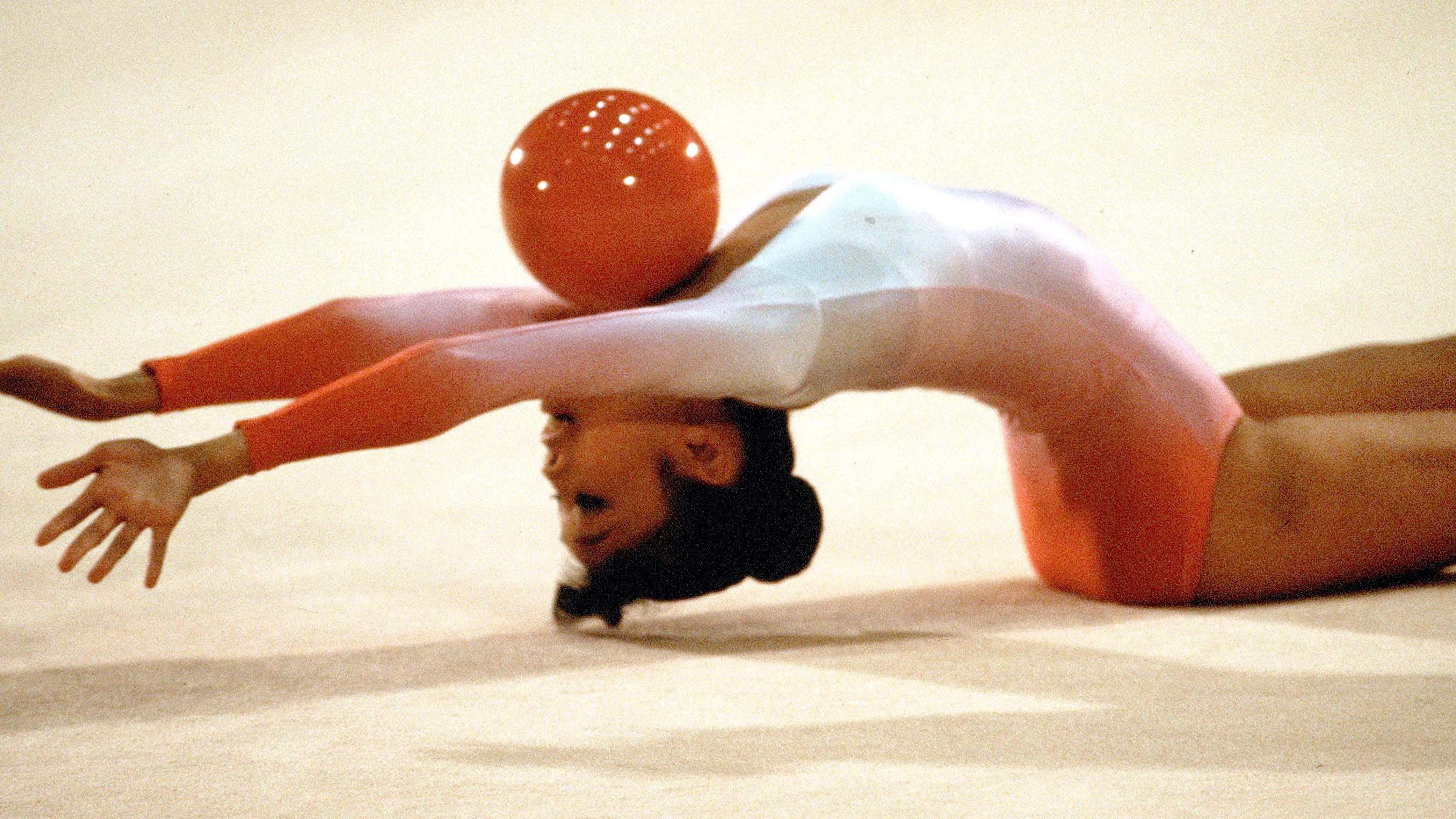
Canada’s Lori Fung competes in rythmic gymnastics at the 1984 Olympic Games in Los Angeles. She would win the individual all-around gold medal. (CP PHOTO/ COC/ Crombie McNeil)
Team Canada in the Golden State
| 1932 | 1984 | 2028 | |
|---|---|---|---|
| Canadian Athletes | 127 (108 men, 19 women) | 436 (273 men, 163 women) | To be determined Team Canada included 317 athletes at Paris 2024, 383 athletes at Tokyo 2020, and 315 athletes at Rio 2016 |
| Canadian Medals | 15 (2 gold, 5 silver, 8 bronze) | 44 (10 gold, 18 silver, 16 bronze) | To be determined Team Canada won 27 (Paris 2024), 24 (Tokyo 2020), and 22 (Rio 2016) medals at the last three Olympic Summer Games |
Team Canada sent its largest ever Olympic team and had its best single Olympic Games medal haul at Los Angeles 1984. The swimming team won 10 of those medals, led by Opening Ceremony flag bearer Alex Baumann’s two gold medals won in world record times in the men’s 200m and 400m individual medleys.
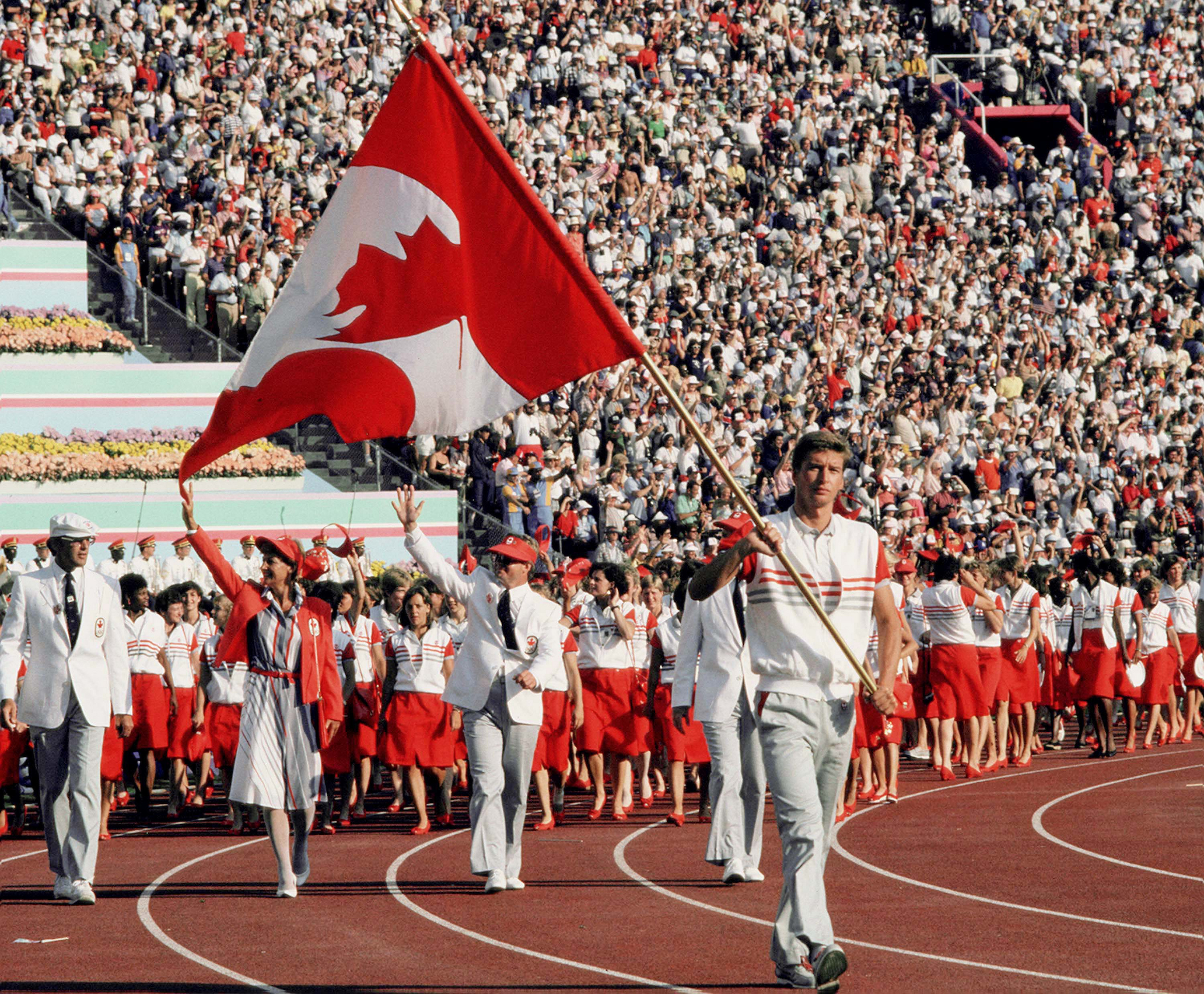
Team Canada makes its entrance during the Opening Ceremony at the Los Angeles 1984 Olympic Games, led by flag bearer Alex Baumann. (CP PHOTO/COC/ Jim Merrithew) 
Canada’s Alex Baumann competes in a swimming event at the 1984 Olympic Games in Los Angeles. (CP PHOTO/ COC/Ted Grant) 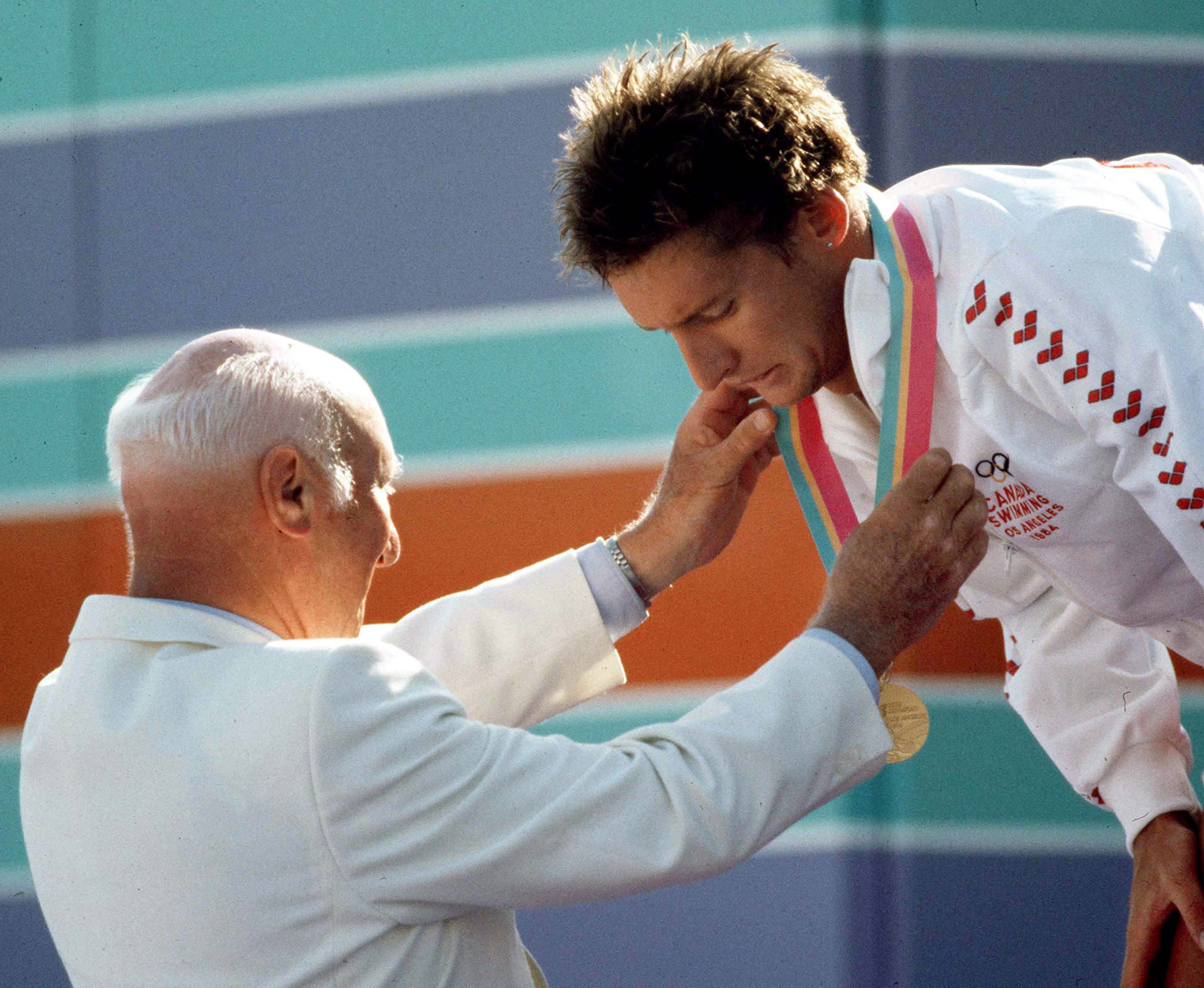
Alex Baumann receives the first of his two gold medals, won in the men’s 400m individual medley, at the Los Angeles 1984 Olympic Games. (CP PHOTO/ COC/)
The Canadian swimming team is again achieving that level of performance, having won eight medals in the pool at Paris 2024. Summer McIntosh is the modern-day parallel to Baumann, setting world records in the women’s 200m and 400m individual medleys in 2025 after winning Olympic gold in both events the year prior.
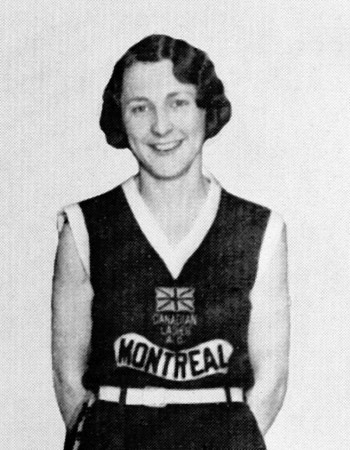
Los Angeles 1932 was just the second Olympic Summer Games at which Team Canada included women, who competed in athletics, diving, fencing, and swimming. The gender divide has gone the other way over the last four Olympic Summer Games, with women outnumbering the men on Team Canada.
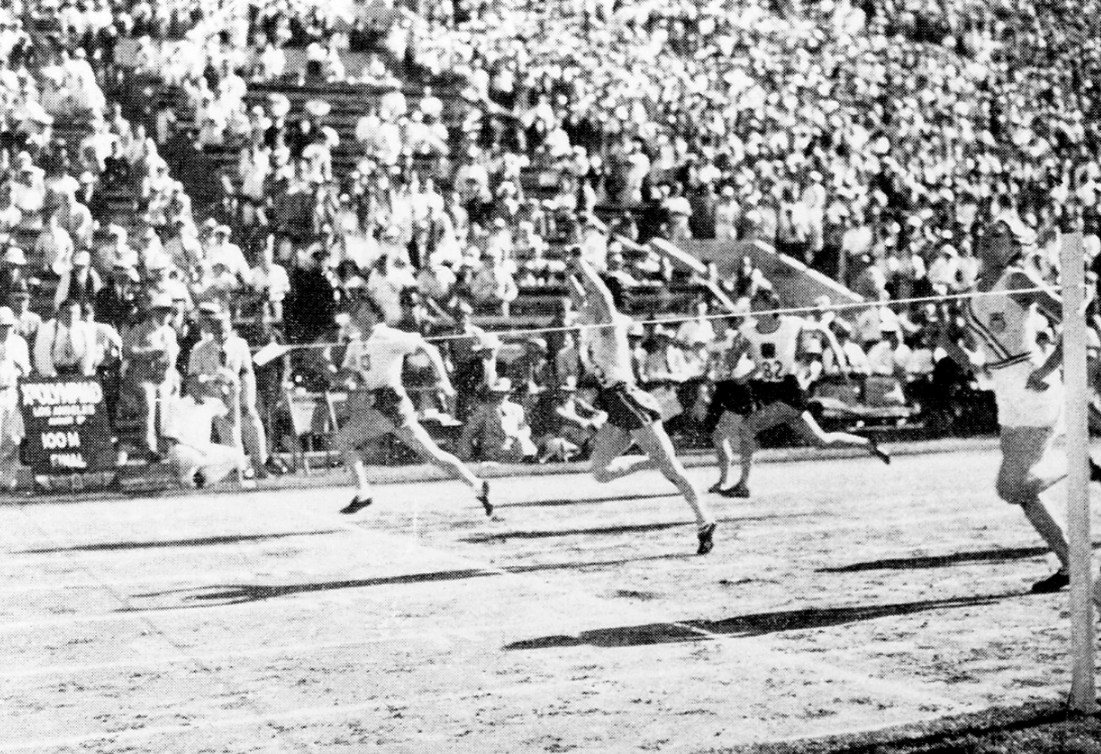
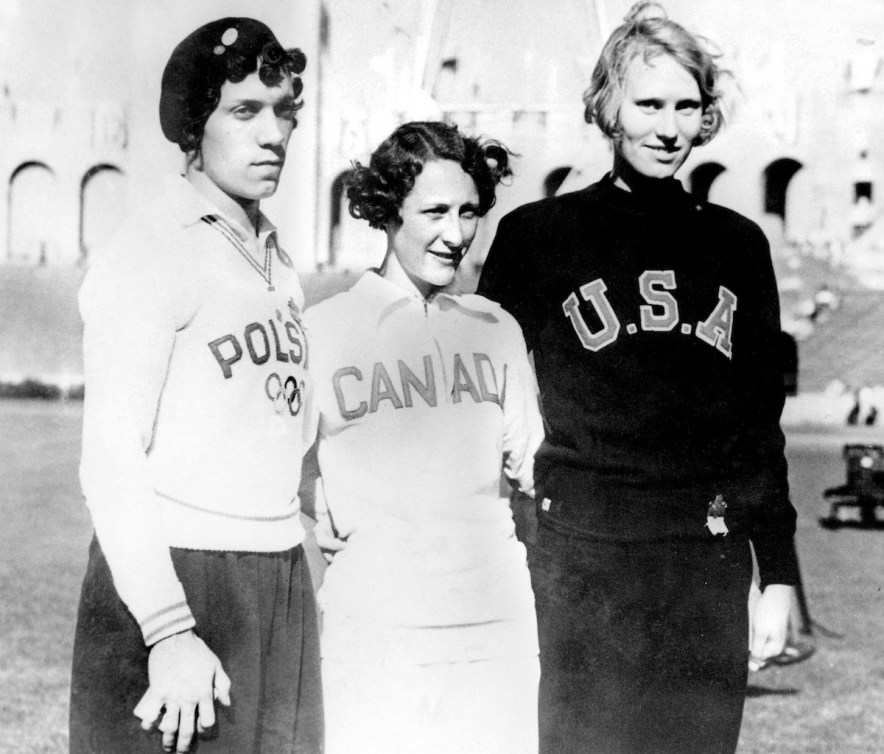
It was at LA 1932 that Phil Edwards won three of his five career Olympic medals. That total set a record for most Olympic medals won by a Canadian athlete that would not be surpassed until 2006.
Venues Revisited
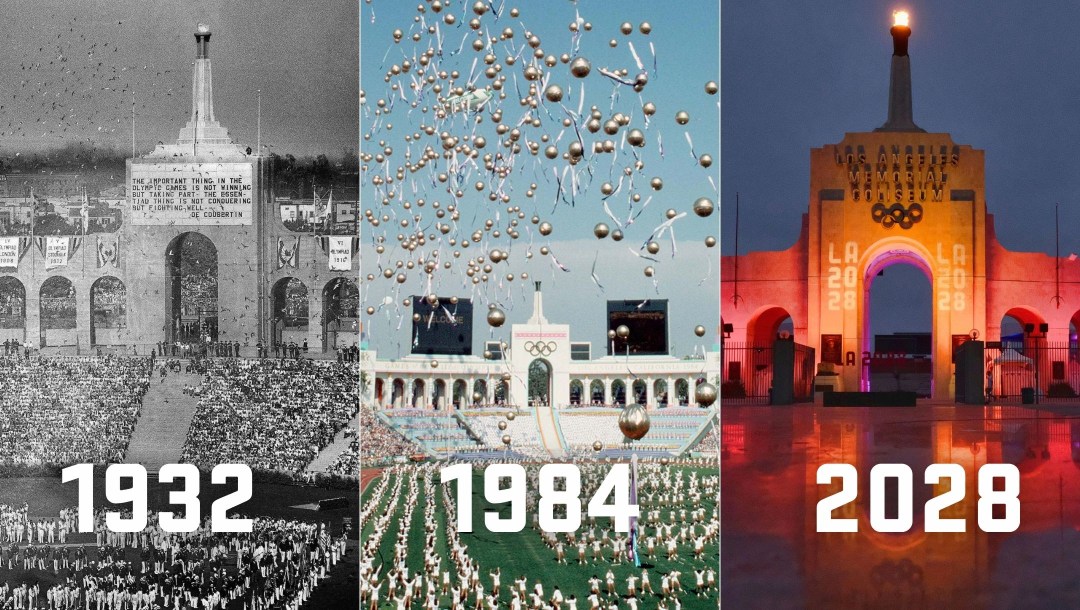
The Los Angeles Memorial Coliseum is set to be the first three-time host venue of an Olympic Opening Ceremony. It will also host the Olympic athletics competition for the third time. It was for the 1932 Games that the signature 107-foot high torch was erected in which the Olympic flame would burn for the duration of the Games.
Of the two new venues that were constructed for Los Angeles 1932, one—the Long Beach Marine Stadium—will again host Olympic rowing competition after 96 years, as well as canoe/kayak sprint.
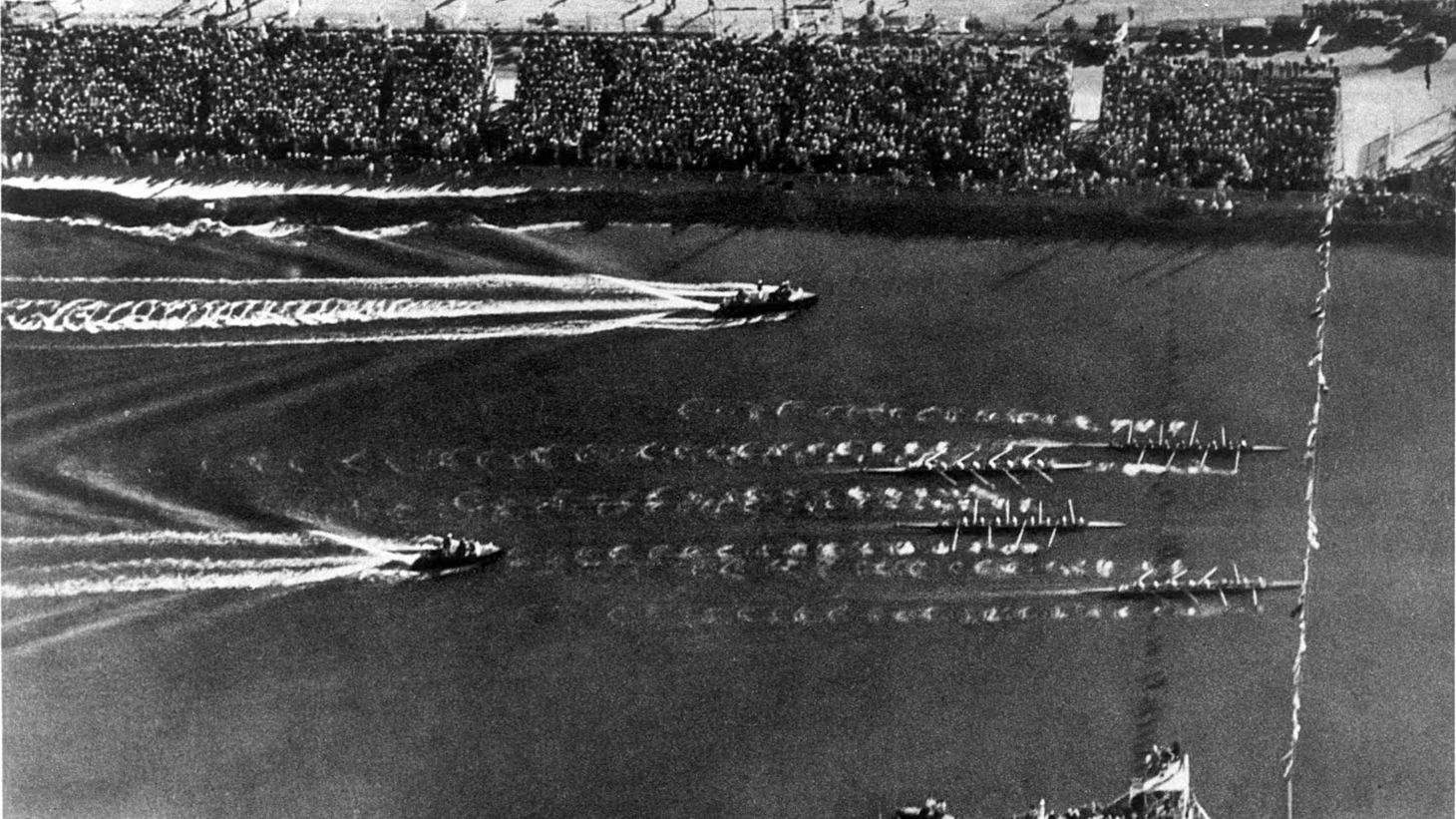
An aerial view of the men’s eight rowing competition, in which Canada won bronze, at Long Beach Marine Stadium during the Los Angeles 1932 Olympic Games (International Olympic Committee) 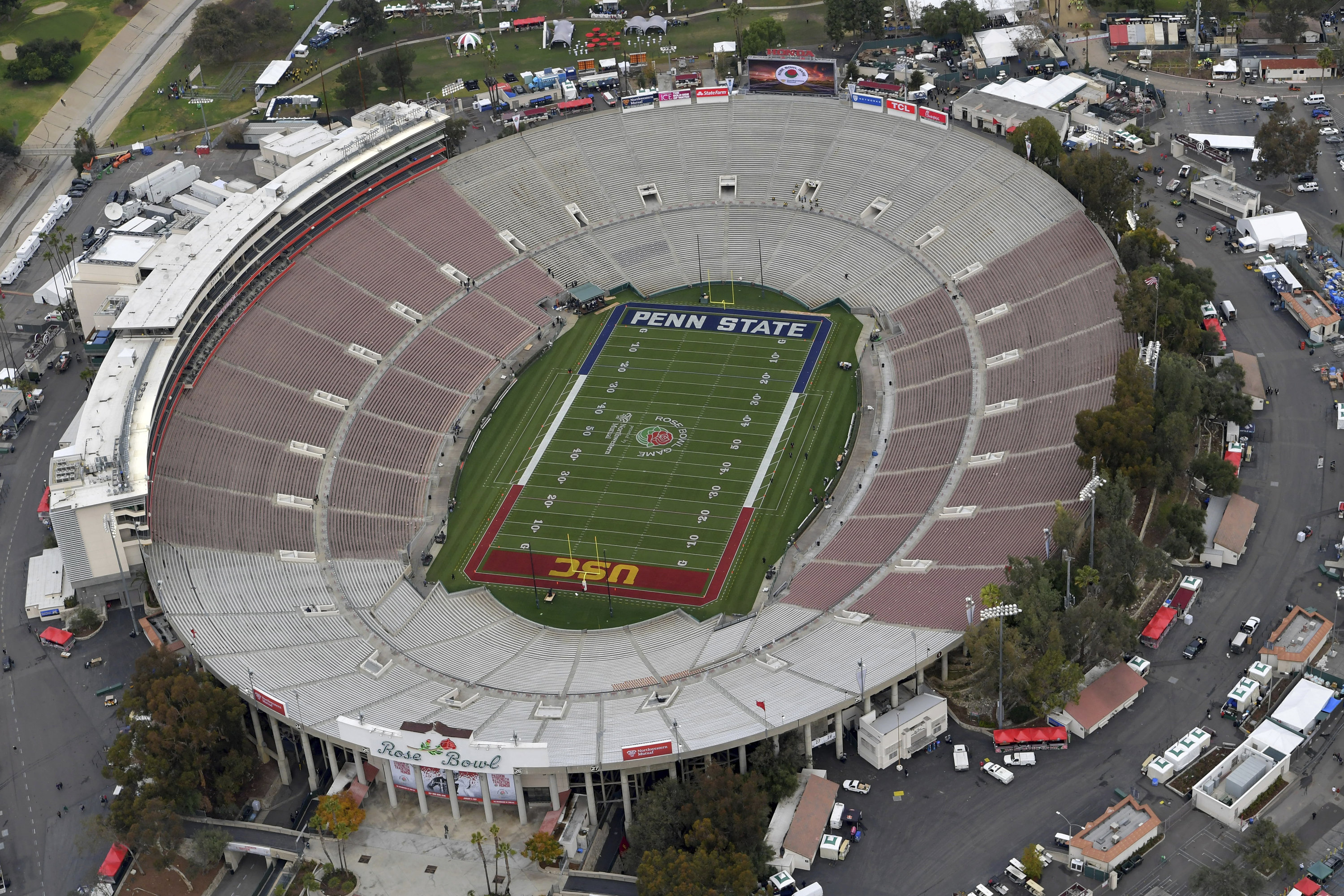
This Jan. 2, 2017, file pool photo, shows an aerial view of the empty Rose Bowl stadium (The Tournament of Roses via AP, Pool, File) 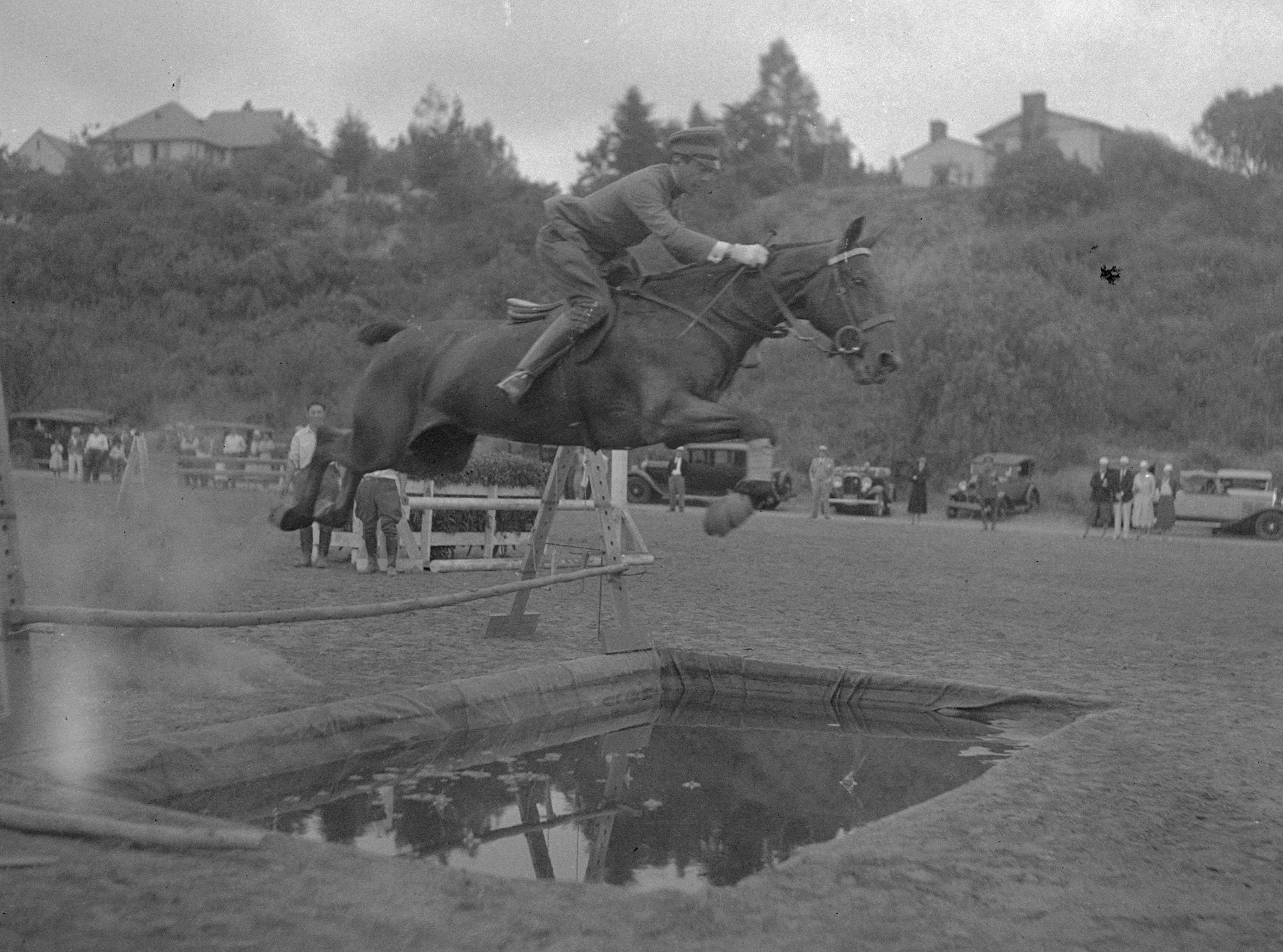
Lieutenant Baron Nishi, Japanese equestrian rider, shown clearing the water jump at the Riviera Country Club Course at Los Angeles, California July 14, 1932 where the horsemanship events of the Olympic Games were held. (AP Photo) 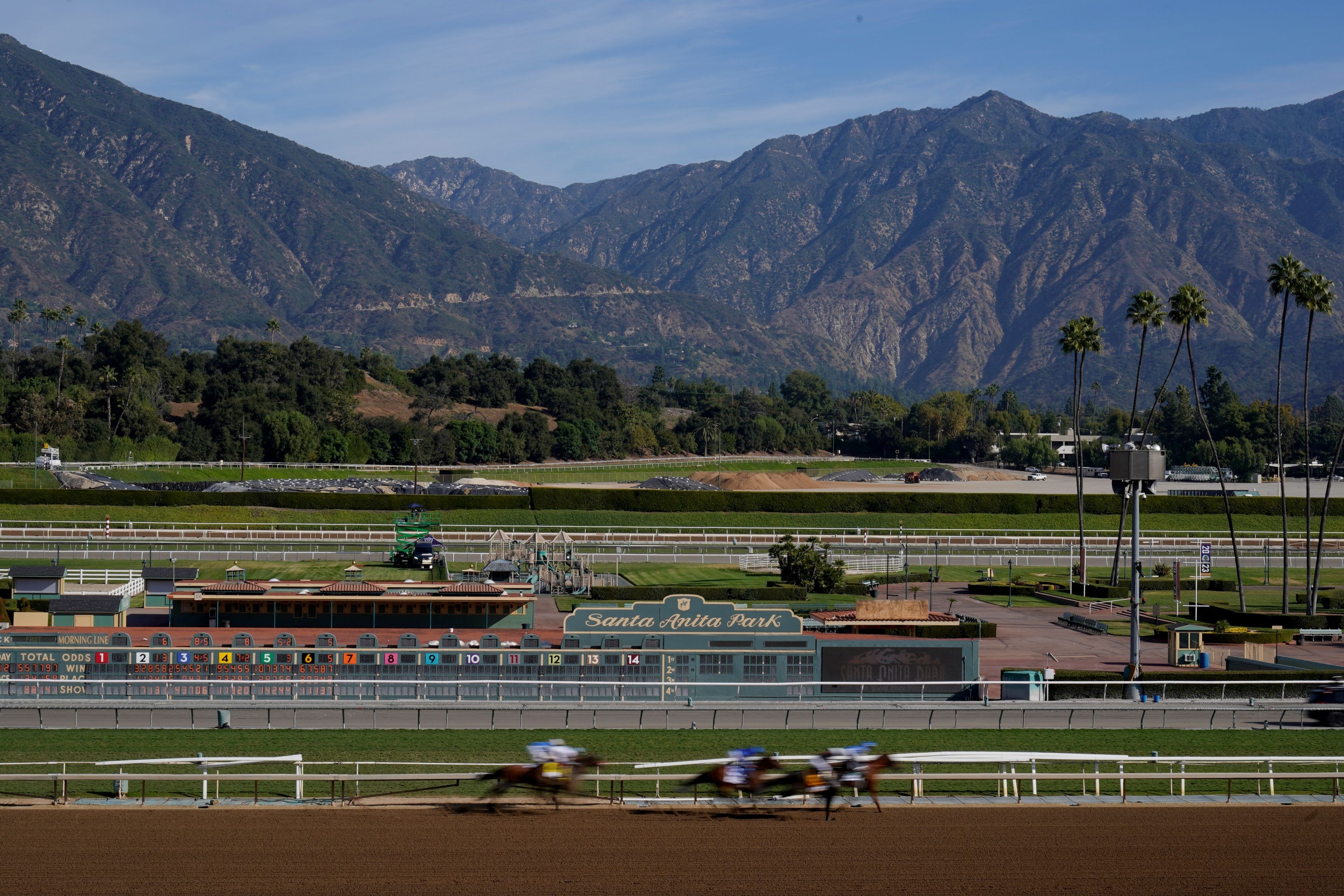
Santa Anita Park, which will host the Olympic equestrian competitions during Los Angeles 2028. (AP Photo/Ashley Landis)
The iconic Rose Bowl in Pasadena will host Olympic competition for the third time. In 1932, it was where track cycling took place. In 1984, it was one of four stadiums that hosted Olympic soccer games, including the gold medal final. The National Historic Landmark will host soccer again in 2028.
After hosting equestrian competition during Los Angeles 1932, the Riviera Country Club will welcome the world’s best golfers in 2028. As it was in 1984, the equestrian events in 2028 will take place at Santa Anita Park.
Baseball will be back as an official Olympic sport at Los Angeles 2028 and will be played at the legendary Dodger Stadium, which hosted baseball in 1984 when it was a demonstration sport.
As it did in 1932, sailing will take place at the Port of Los Angeles. Long Beach Arena, which hosted volleyball in 1984, will be the site of the handball competition.
Olympic Legacies of Los Angeles
While some things feel like they’ve always been part of the Olympic Games, they had to start somewhere. Several current norms were established at Los Angeles 1932.
We already mentioned that those Games were the first to have a duration of 16 days. Before that, no Olympic Summer Games from 1900 to 1928 had been shorter than 79 days, which meant the competitions were very spread out and, in some odd cases, athletes didn’t even realize they had competed in Olympic events!
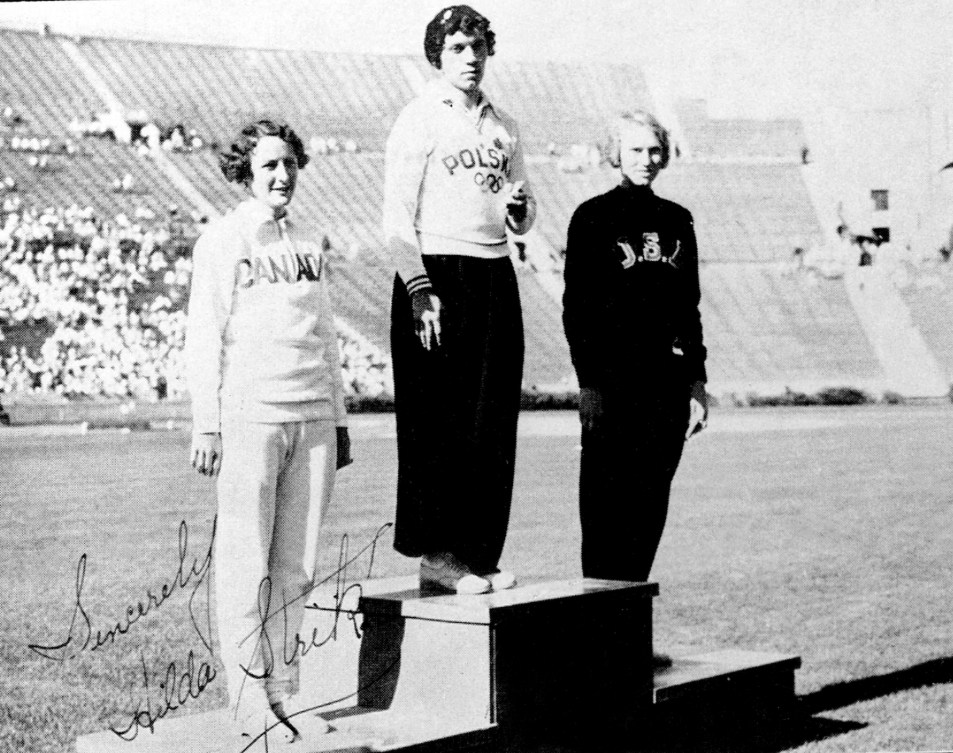
It was at LA 1932 that medallists first stepped onto a podium and had their national flags raised at the end of their event, creating what we know today as Olympic Victory Ceremonies. The previous custom had been to wait to award prizes to the winners at the Closing Ceremony, even though many would have already departed for home. The new concept meant that more than 90% of medal winners were actually present to receive their awards.
Automated timing was introduced in athletics, along with the photo finish. While stop watches were still used, there were two electrical timing devices, one operated by hand and the other by a camera, that ensured accuracy of all results.
Jumping ahead to Los Angeles 1984, those were the first Games since 1896 to be staged without government funding, instead relying heavily on corporate sponsors. Though that model was criticized at the time, it was soon followed by future organizing committees. In 1985, the IOC created The Olympic Partners (TOP) programme, granting category-exclusive marketing rights to a select group of global sponsors.