Olympians turned sports leaders celebrate important impacts of Montreal 1976

Canada is celebrating 50 years since the country first hosted an Olympic Games. As with any golden anniversary, this is a great milestone to look back with the advantage of hindsight and get a full grasp of the legacy and impact of Montreal 1976.
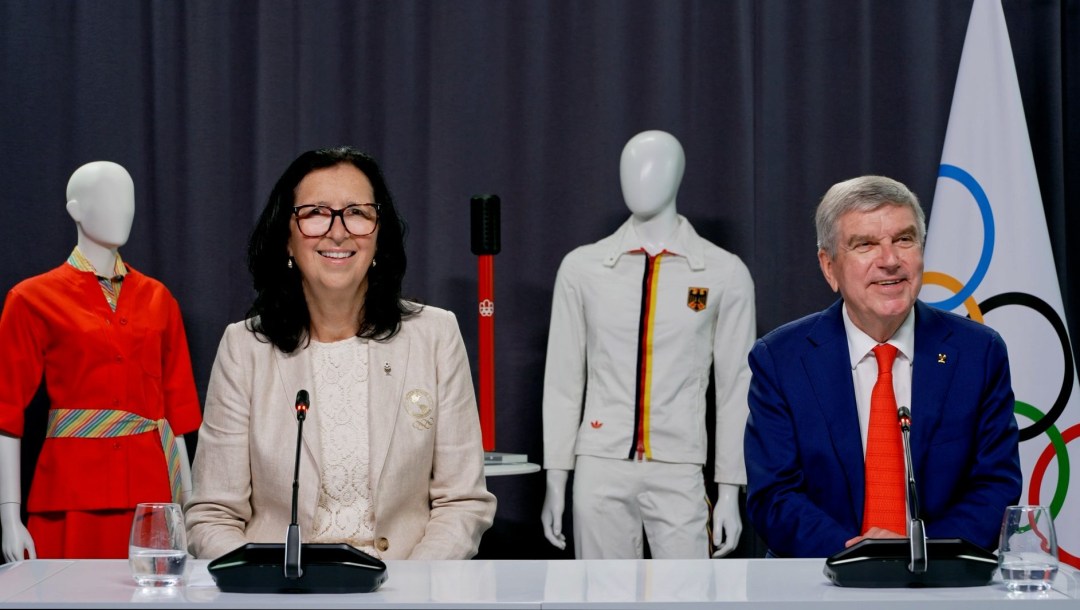
Two respected leaders of the Olympic Movement, Tricia Smith and Thomas Bach, recently did just that. The current President of the Canadian Olympic Committee and the former President of the International Olympic Committee, respectively, both made their Olympic debuts in Montreal and went on to dedicate huge portions of their lives to sports, building on some of the things they experienced in the summer of 1976.
For each of them, the Games were incredibly special for different reasons.
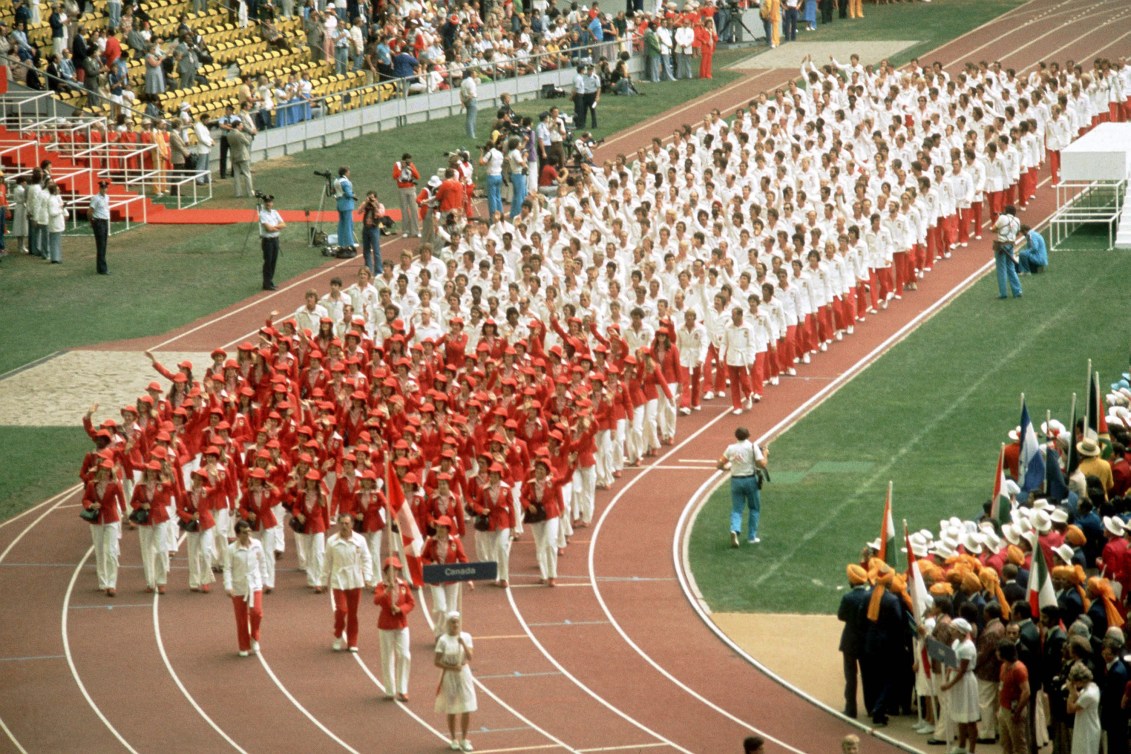
“The Opening Ceremony, in my own country,” Smith said immediately and with great enthusiasm when asked about her standout memory. “I had always loved the Olympic Games and competing in Montreal, in my home country, was a dream come true.”
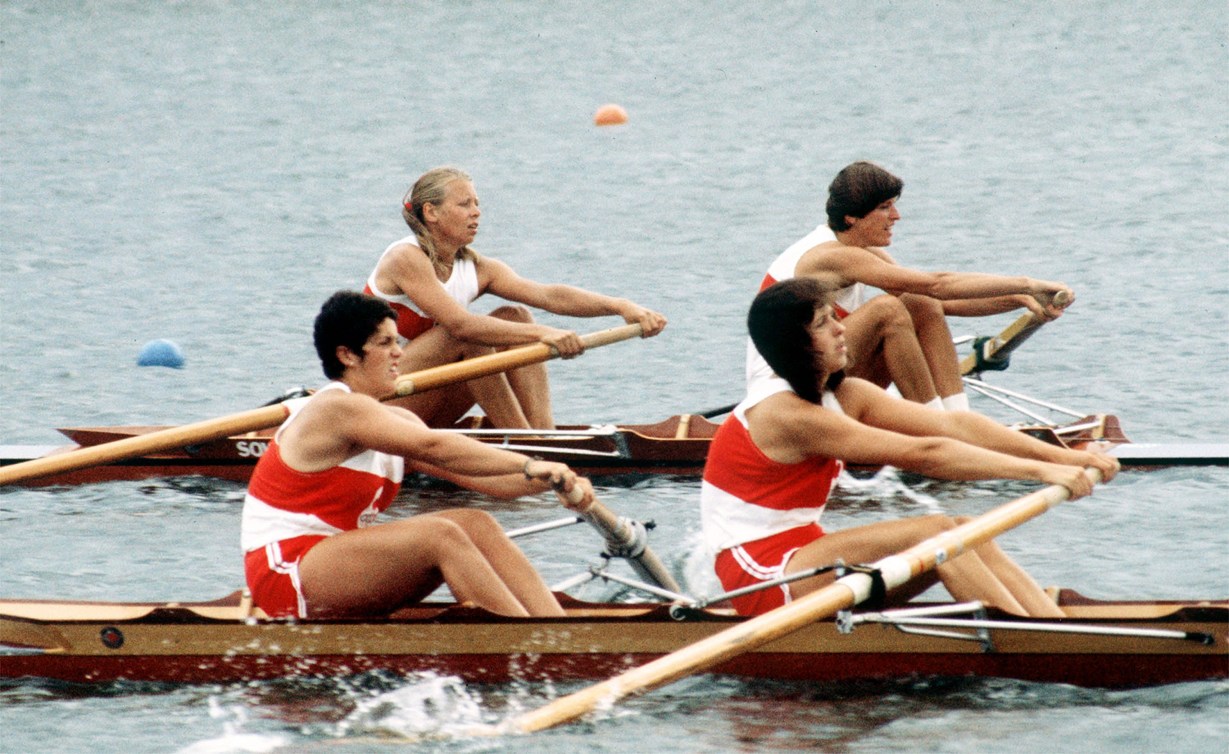
But beyond that, the rower was joined on the team by her younger sister, Shannon, who won a bronze medal in swimming, and her mother, Patricia, who served as an assistant Chef de Mission for Team Canada.
“So it was like a family affair, but I have to say, the Opening Ceremony in front of a home crowd was something I will never forget. It still gives me goosebumps.”
As a member of the West German men’s foil fencing team that won Olympic gold, Bach acknowledged that would be “the peak of any athlete’s career.”
“So of course I have very fond memories of these Games in Montreal, and of the gold medal, which somehow changed my life for after. I don’t think that without the gold medal I would be sitting here,” he said reflectively.
Benefits of welcoming the world
As has been well-documented over the decades, for many years the Games were unfortunately tinged with controversy related to the costs of venue construction—a stain that perhaps wasn’t entirely fair.
“With the benefit of hindsight, people can now see that it wasn’t simply about costs or debt. Canada made a very good investment,” Bach said. “Once the Games were over, Montreal was left with lasting assets: the Olympic Park, the Olympic Village, the Olympic Stadium.”
Smith noted that all seven venues that were built for the Games are still in use today, along with all but one of the pre-existing venues.
“That’s worth celebrating, as is the beginning of the support for the athletes that really started before the Montreal Games and continues to this day,” she said. “I think it’s important to remember what we can do when we put our minds to it, because that was something that was quite extraordinary at the time and really built a foundation for future Games.”
“Looking back, it gives us a much more balanced historical perspective on what was ultimately a very successful Olympic Games,” said Bach. “Today, Montreal and Canada are recognized as preferred hosts for major international sporting events. You’ll be hosting the road cycling world championships this year, along with many other events. All of that is part of the legacy of these Games, which helped put Canada on the map as one of the world’s leading hosts of international sport.”
The Olympic Park will be on the pathway to the next Olympic Games, hosting the third stop of the Olympic Q-Series for Los Angeles 2028. Bringing a set of Olympic qualification events to Canada is “incredibly important”, says Smith, who relayed a story of what she had seen from a group of young cross-country skiers in Canmore, Alberta who had the chance to watch the world’s best in their sport compete on their home course.
“You could just see the kids, the little idea boxes over their heads,” she explained. “It’s important for kids to see things and develop those dreams and I think part of that is having the athletes come to our home country and participate in that level at home. And we know Montreal can do a good job.”

Tumultuous times creates change
The 1970s were a difficult decade for the Olympic Movement, which was not immune to the political upheavals and conflicts happening across the globe. The 1976 Games came just four years after 11 Israeli team members were taken hostage and killed by Palestinian militants at Munich 1972. That meant strict security measures were understandably necessary but well beyond anything Smith had experienced before.
“We arrived at the airport, we were put on a bus and there was a military person at the back of the bus with a very impressive-looking weapon and we were followed by helicopter—and we were the rowing team, for heaven’s sake,” she recalled. “That was quite an experience for my first Games.”
Bach’s rise to become IOC President in 2013 was sparked in a big way by something he saw out the window of his dormitory in the Olympic village in Montreal: a large number of athletes from African countries standing in the plaza, “extremely sad”, crying with their heads hanging.
What he soon learned was that they were being forced to leave the Games; 22 African nations had decided to boycott in protest of New Zealand being allowed to participate despite a tour of apartheid South Africa by the All Blacks rugby team.
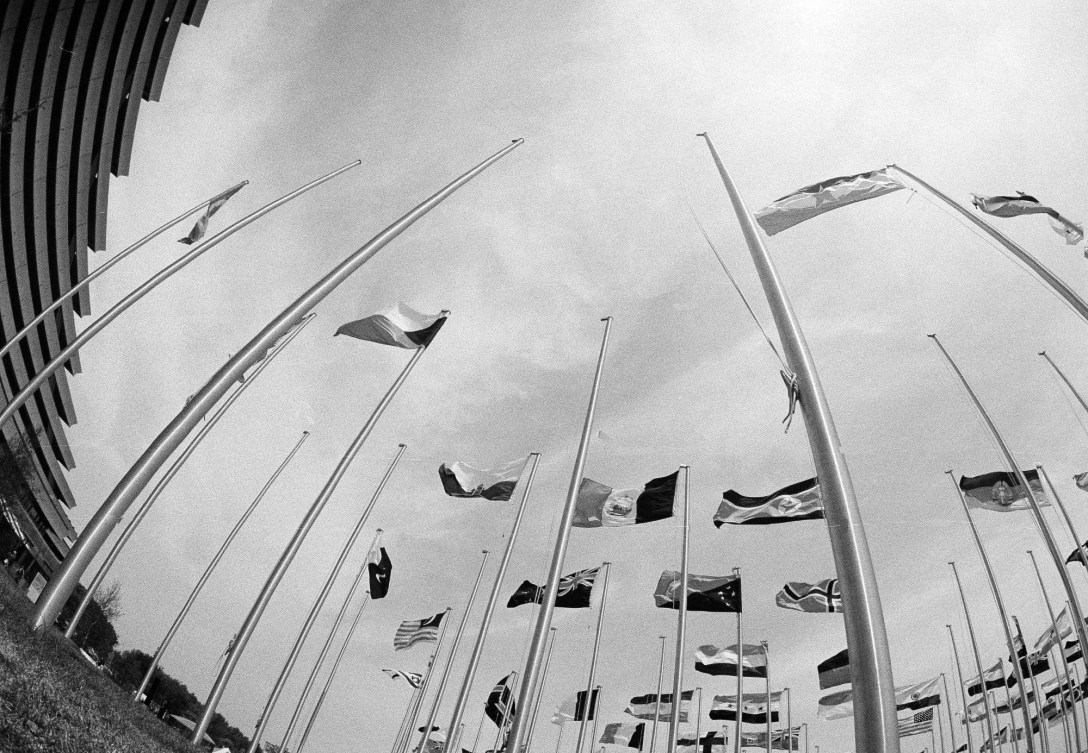
“Imagine that you’re living in an Olympic village, you think your Olympic dream has come true, finally, and then being told for political reasons, with which you have nothing to do and which are not your fault, you have to go home, you have to leave the Olympic village, and your dream is shattered,” he said.
Four years later, he felt it himself when, as a representative of his fellow West German athletes, they lost the battle against their nation’s boycott of Moscow 1980—a boycott that also impacted Smith and more than 200 other Canadian athletes.
In the aftermath, Bach was asked to switch sides from being an athlete to being an administrator and become a member of his National Olympic Committee. His reason: “I do not want to happen to future generations of athletes what happened to the African athletes in Montreal and what happened to us with regards to Moscow. And you see the end of the story, you see me here sitting as an old man and still having these events in my mind and still very emotional about it.”
Memories that last a lifetime
According to Bach, the “one and only real star of these Games has been and still is” Romanian gymnast Nadia Comaneci, forever remembered for earning the first perfect 10 in her sport at just 14 years old. But unlike nowadays, when athletes can attend other competitions as spectators, neither Bach nor Smith saw Comaneci’s history-making moment in-person.
In fact, Smith didn’t even head to the pool to watch her sister swim for an Olympic medal in the women’s 400m freestyle final.
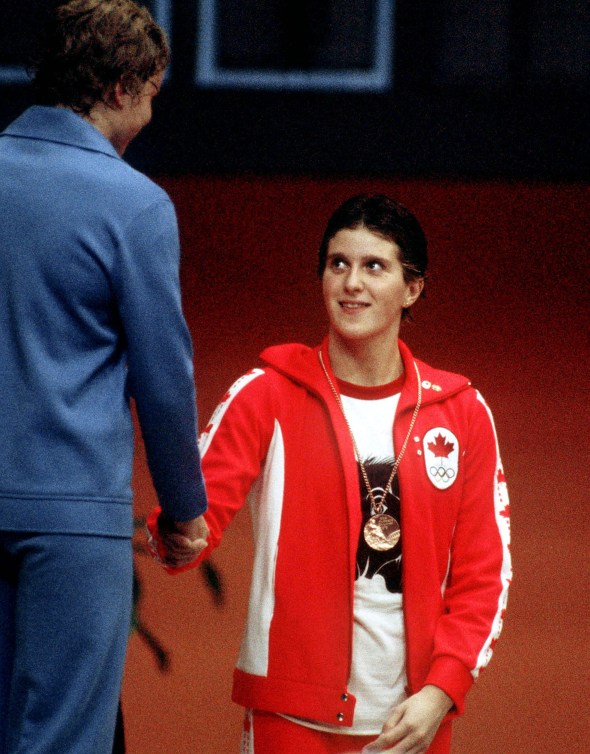
“I watched it on a very small TV in a room with no windows in the athletes’ village. It was a thrill to see, but I didn’t even think about going there in person. It just wasn’t something that was so accessible in those days,” she said.
But she did get the chance to appreciate one sport she had never seen before: track cycling.
“We were sitting so close that when the first cyclist [in the sprint final] stopped to try to make the other athlete go ahead, we could see their hearts beating. […] It was magic and that was my first experience for an Olympic event in another sport and that’s something I’ll never forget.”