Fun facts about Team Canada heading into Milano Cortina 2026 Olympic Winter Games

Team Canada will be represented by 206 athletes at the Milano Cortina 2026 Olympic Winter Games.
February 2 Update: This article has been updated to reflect the withdrawal of snowboarder Tess Critchlow
The incredibly talented group will compete in 14 of the 16 disciplines on the program. There are 107 athletes who identify as female or compete in women’s events and 99 athletes who identify as male or compete in men’s events. This is the first Olympic Winter Games at which Team Canada athletes competing in women’s events outnumber those competing in men’s events.
Team Canada Roster: See all the athletes nominated for Milano Cortina 2026
Here are lots more fun facts about Team Canada at Milano Cortina 2026.
Olympic Experience
Team Canada includes 97 athletes who have previously competed at an Olympic Games. That means there are 109 first-time Olympic team members.
There are 19 athletes who have represented Team Canada at the Winter Youth Olympic Games.
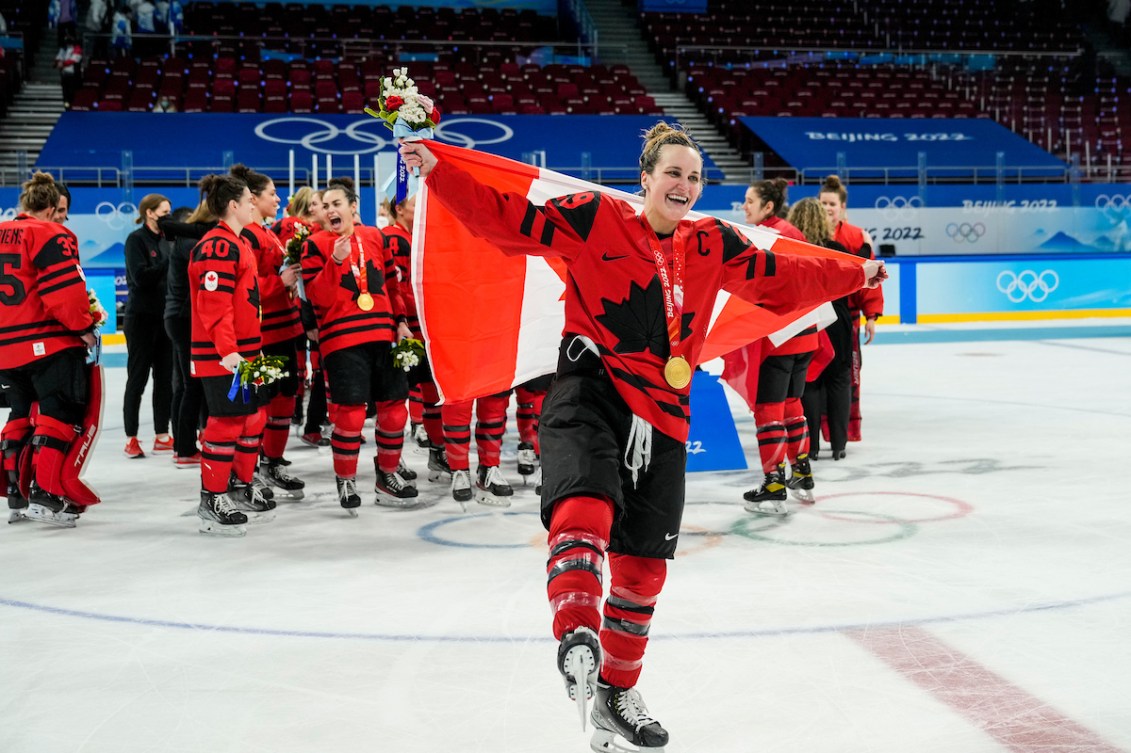
Marie-Philip Poulin and Team Canada celebrate after defeating the United States of America in the women’s hockey final during the Beijing 2022 Olympic Winter Games on Thursday, February 17, 2022. Photo by Leah Hennel/COC 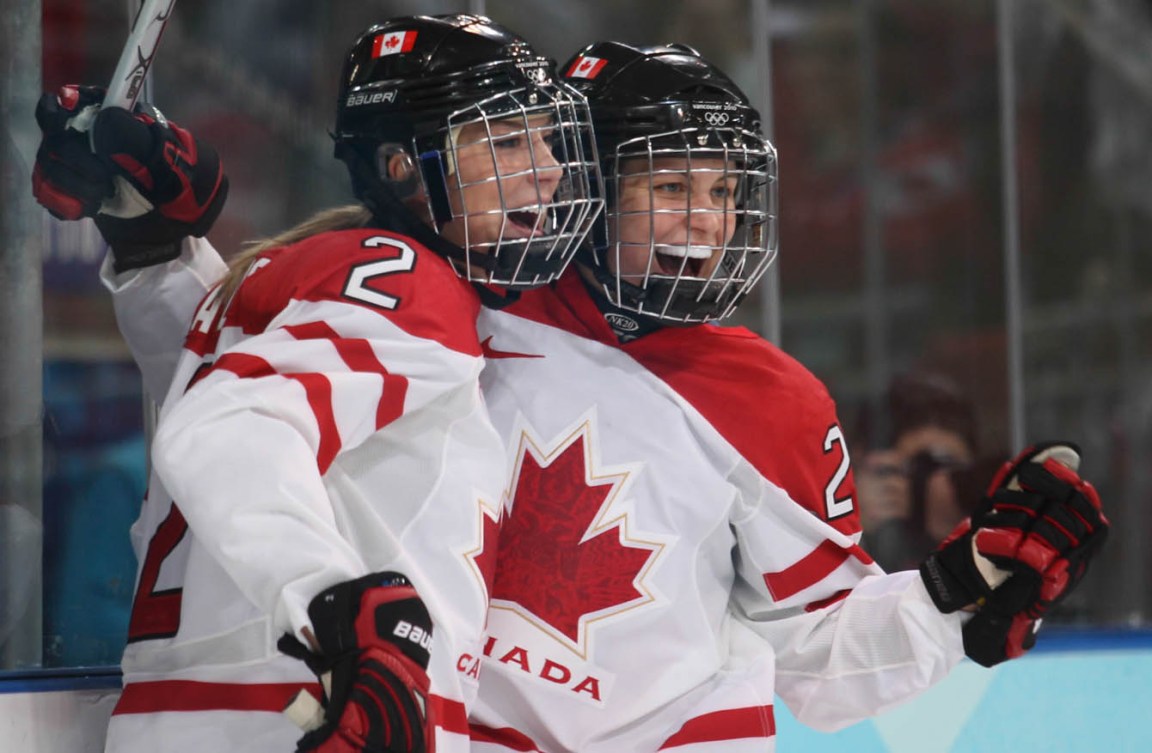
Marie-Philip Poulin (right) of Beauceville, Que. and Gillian Apps of Toronto celebrate Poulin’s goal in the first period of women’s hockey action against Sweden at UBC Thunderbird Arena at the Winter Olympics in Vancouver, B.C, Wednesday, Feb. 17, 2010. (CP PHOTO)2010(HO-COC-Mike Ridewood) 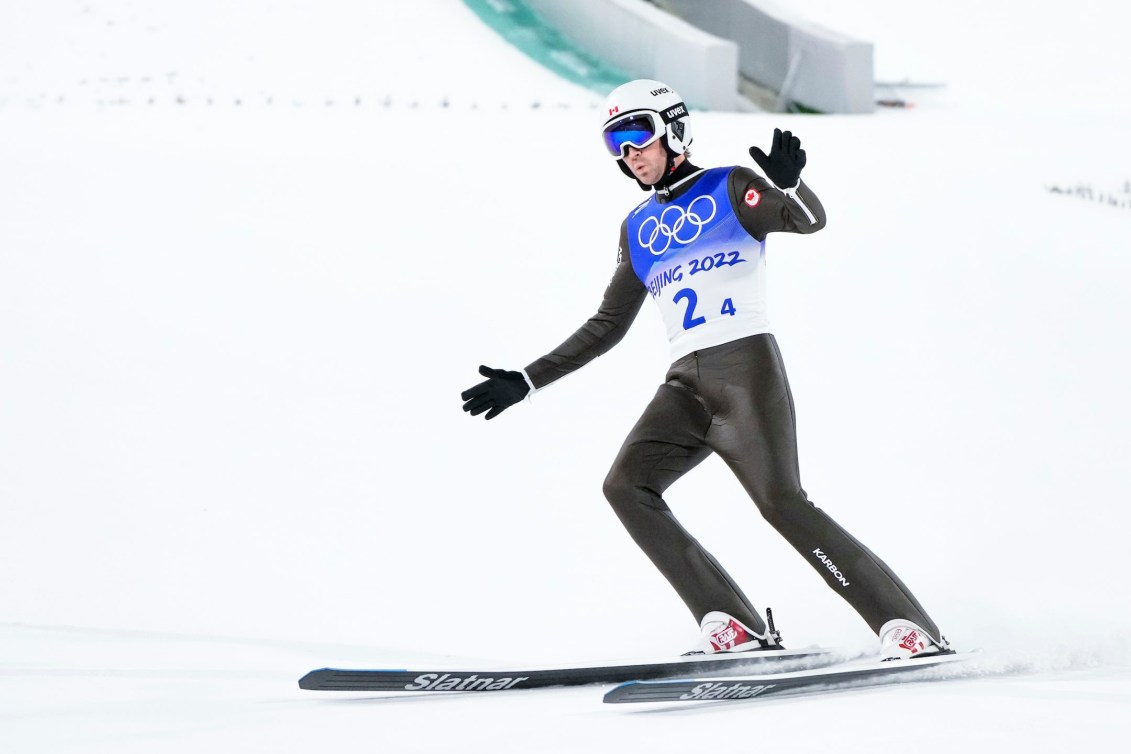
Abigail Strate, Matthew Soukup, Alexandria Loutitt and Mackenzie Boyd-Clowesin celebrate their bronze medal in the mixed team ski jumping event at the Beijing 2022 Olympic Winter Games on Monday, February 07, 2022. Photo by Mark Blinch/COC *MANDATORY CREDIT* 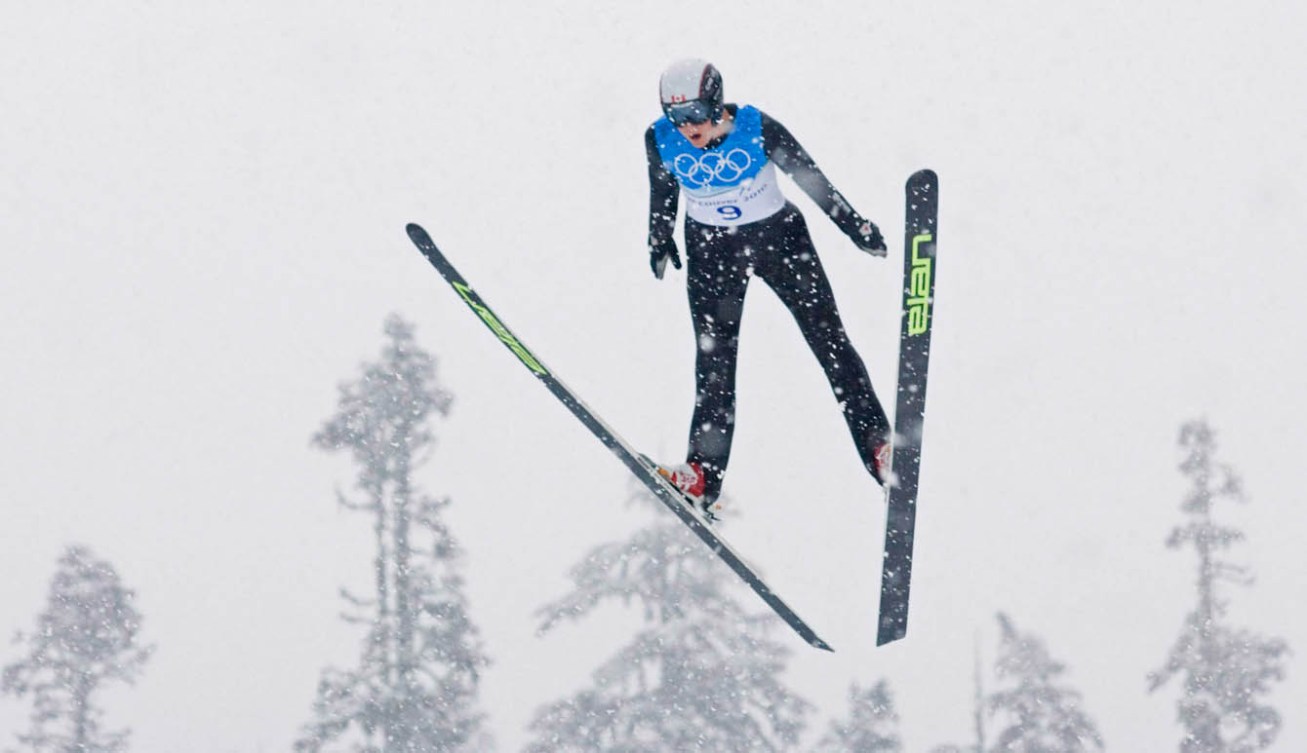
Canadian ski jumper Mackenzie Boyd-Clowes, from Calgary, sails through a snow squall at Whistler Olympic Park in Whistler, B.C., during official training on Thursday, February 11, 2010 at the 2010 Vancouver Olympic Winter Games. THE CANADIAN PRESS/Andrew Vaughan 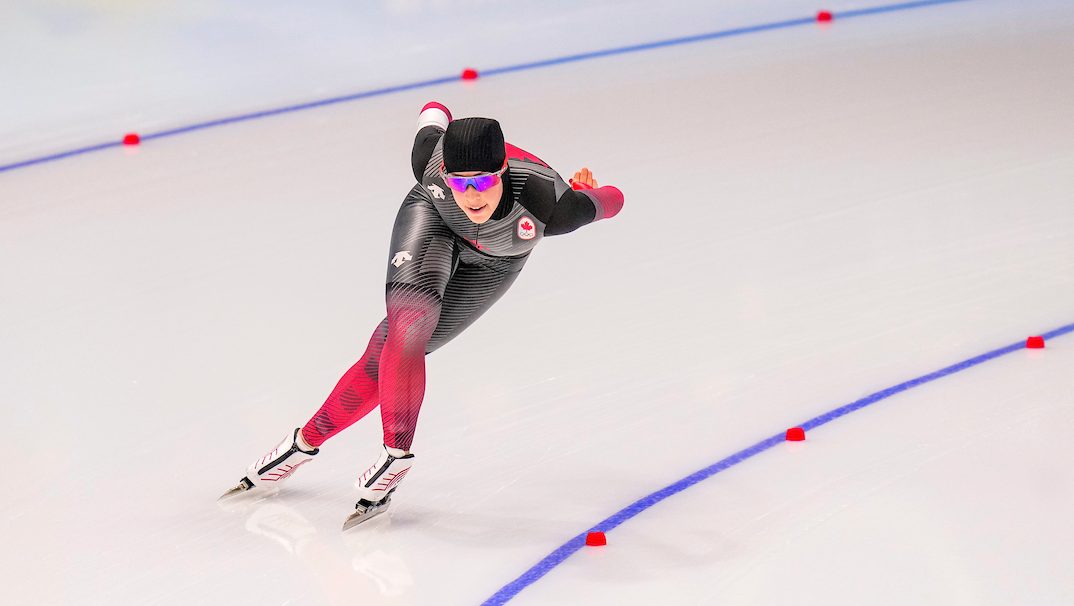
Valerie Maltais competes in Women’s 3000m Long Track Speed Skating event finishing 12th at the Beijing 2022 Olympic Winter Games on Saturday, February 05, 2022. Photo by Andrew Lahodynskyj/COC 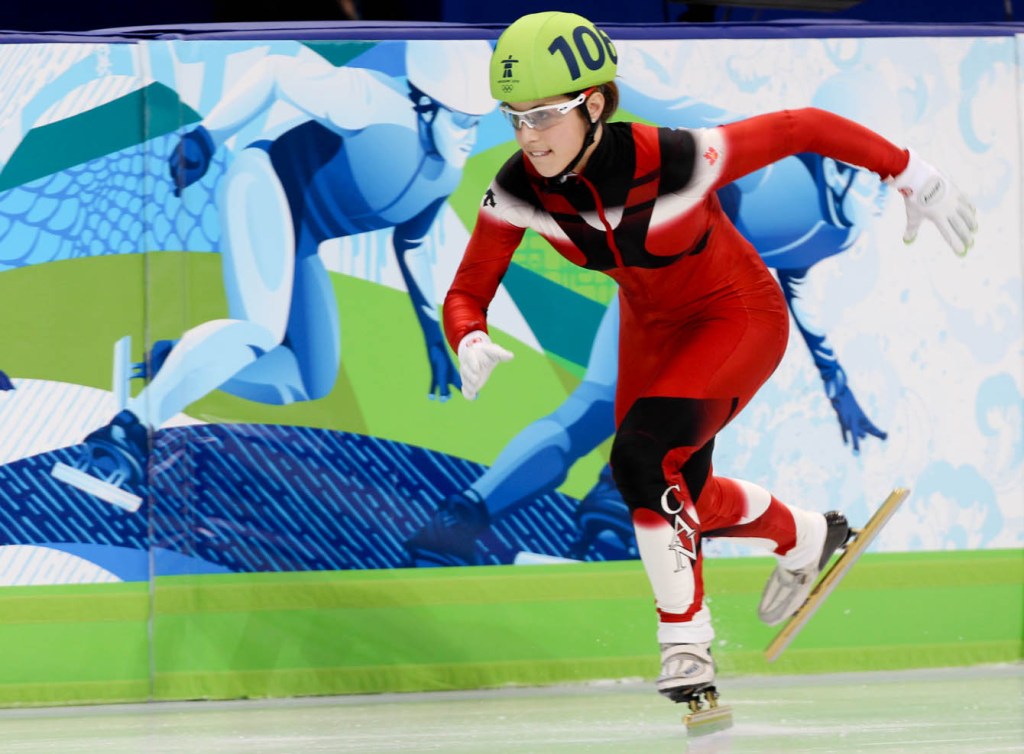
Valerie Maltais of Montreal gets off the start in the quarter finals of the 1500 metres in short track speed skating action at Pacific Coliseum at the Winter Olympics in Vancouver, B.C, Saturday, Feb. 20, 2010. (CP PHOTO)2010(HO-COC-Mike Ridewood)
Three athletes are set to compete in their fifth Olympic Winter Games. Hockey star Marie-Philip Poulin, ski jumper Mackenzie Boyd-Clowes, and speed skater Valérie Maltais have all been part of Team Canada at each Winter Games going back to Vancouver 2010.
Three athletes are returning to the Olympic Games for the first time since Sochi 2014: curler Brad Jacobs along with hockey players Sidney Crosby and Drew Doughty.
There are 47 Olympic medallists on the team. That includes one athlete who is set to become a dual season Olympian. Kelsey Mitchell won gold in the sprint event of track cycling at Tokyo 2020 and is now a bobsleigh brakewoman.
Poulin and short track speed skater Kim Boutin are both four-time Olympic medallists, while moguls skier Mikaël Kingsbury and slopestyle/big air snowboarder Mark McMorris lead the Canadian men with three Olympic medals apiece.
Oldest and Youngest Athletes
The oldest athlete on Team Canada is curler Marc Kennedy, who will turn 44 the day before the Opening Ceremony. He will be the first Canadian curler to compete in four Olympic Games.
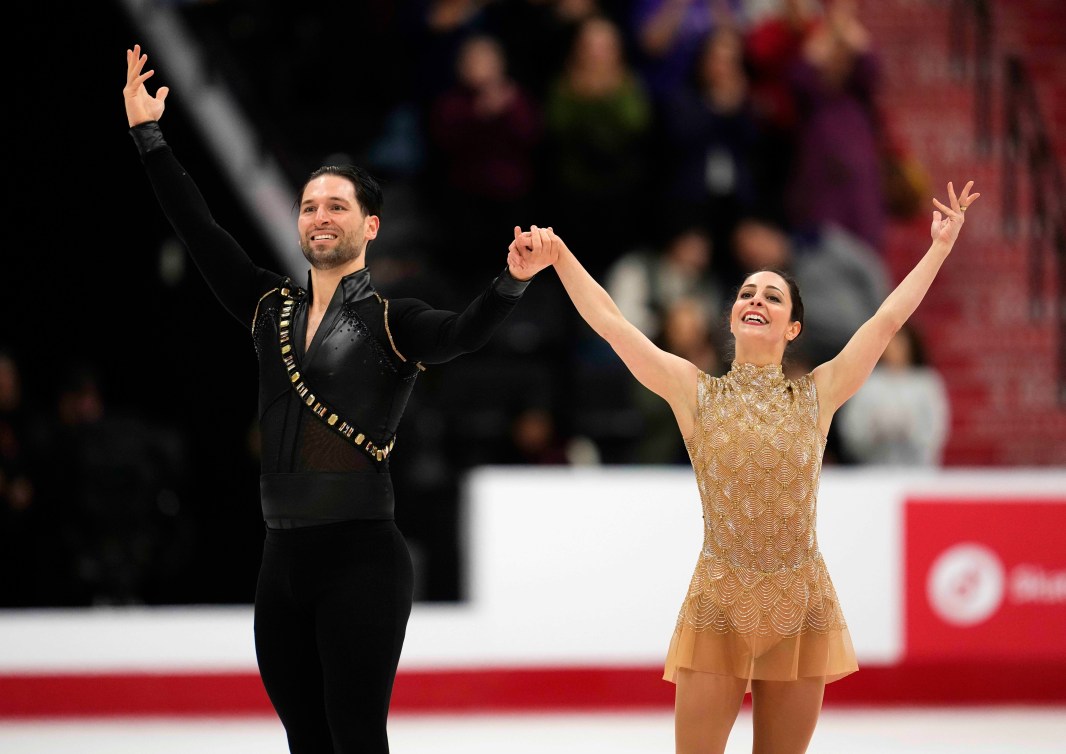
The oldest female athlete on Team Canada is figure skater Deanna Stellato-Dudek. At 42 years old, she will be the oldest woman to compete in an Olympic figure skating event since St. Moritz 1928. She will be Canada’s oldest female Olympic competitor in a winter sport other than curling since Garmisch-Partenkirchen 1936.
Team Canada’s youngest athletes are both snowboarders. Eli Bouchard just turned 18 years old in mid-December while Felicity Geremia is just six months older.
Olympic Siblings
There are four sets of siblings on Team Canada for Milano Cortina 2026.
Hannah Schmidt and Jared Schmidt are ski cross teammates for the second straight Games after both made their Olympic debuts at Beijing 2022.
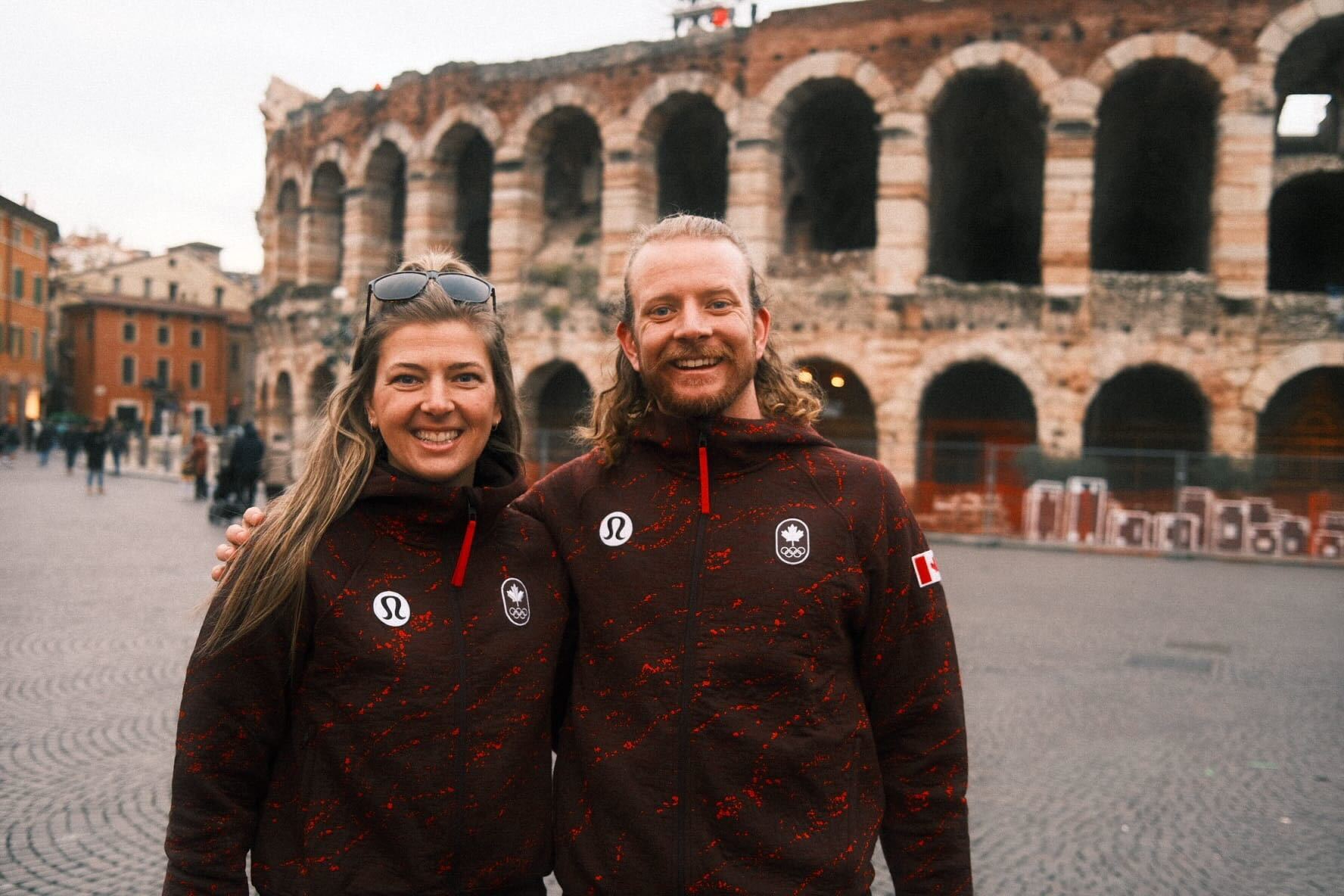
Hannah Schmidt and Hared Schmidt celebrate their nomination to Team Canada’s ski cross team for Milano Cortina 2026 (Photo courtesy Jared Schmidt) 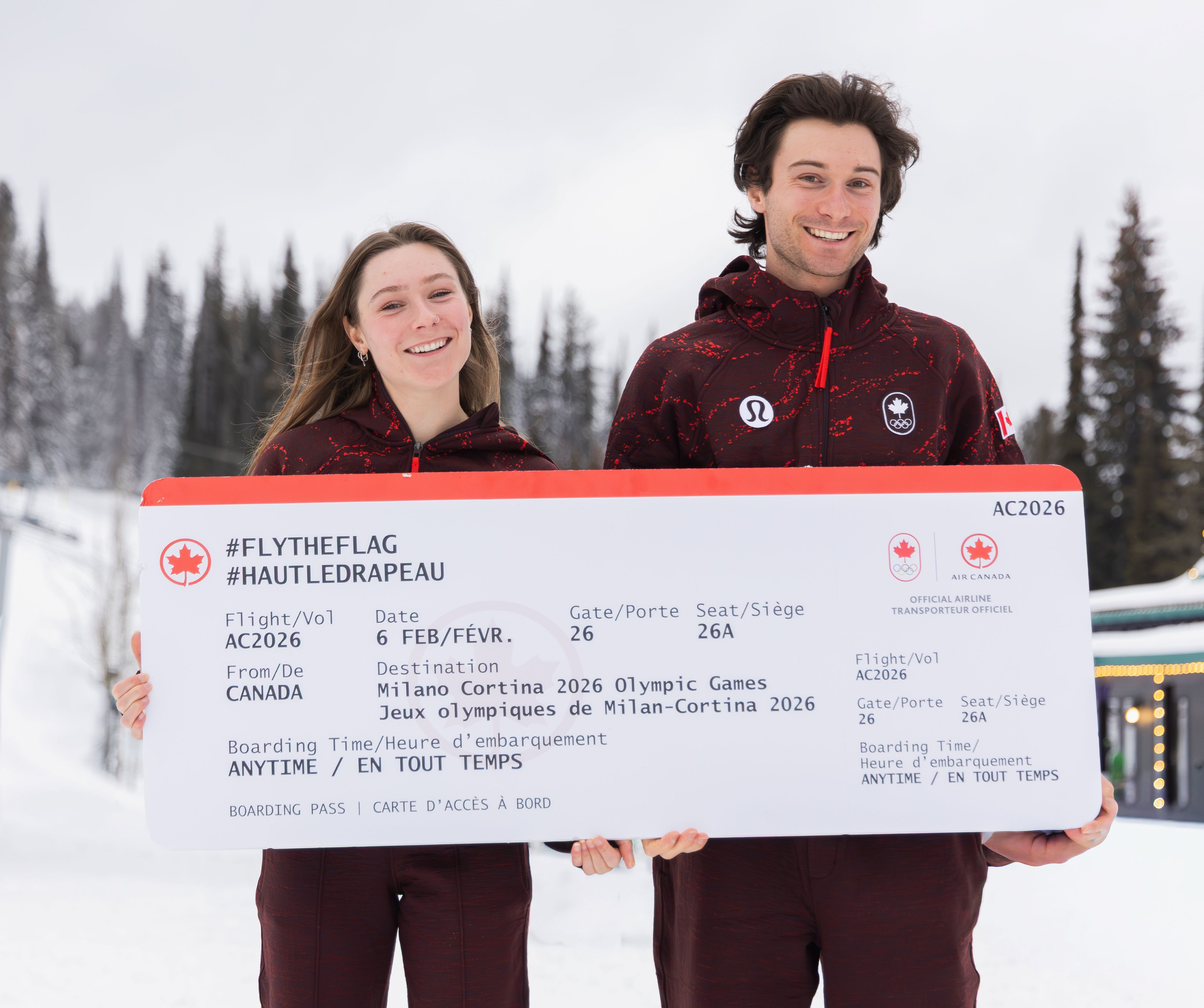
Jasmine Drolet and Rémi Drolet celebrate their nomination to Team Canada’s cross-country skiing team for Milano Cortina 2026 (Nathaniel Mah/Nordiq Canada)
For their second Olympic appearances, Brodie Seger will be joined by younger brother Riley Seger on the alpine skiing team while Rémi Drolet will have younger sister Jasmine Drolet alongside him on the cross-country skiing team.
Making their Olympic debuts together in long track speed skating are Laura Hall and Daniel Hall.
Children of Olympians
Not only are the Hall siblings going to the Games together, they’re set to become second generation Olympians, following in the footsteps of father Mike who competed in speed skating at Lillehammer 1994.
They’re among a few speed skaters with an Olympian for a parent. Béatrice Lamarche’s father Benoît competed in speed skating at Sarajevo 1984 and Calgary 1988. Laurent Dubreuil’s father Robert competed in short track speed skating when it was a demonstration sport at Calgary 1988 and then competed in long track speed skating at Albertville 1992. His mother Ariane Loignon was a long track speed skater at Calgary 1988. Cédrick Brunet’s father Michel competed in ice dance at Nagano 1998.
Both of Xavier McKeever’s parents were Olympians in cross-country skiing before him. Robin McKeever competed at Nagano 1998 before becoming a Paralympic guide for his brother Brian, while Milaine Thérault is a three-time Olympian from Nagano 1998, Salt Lake City 2002, and Turin 2006.
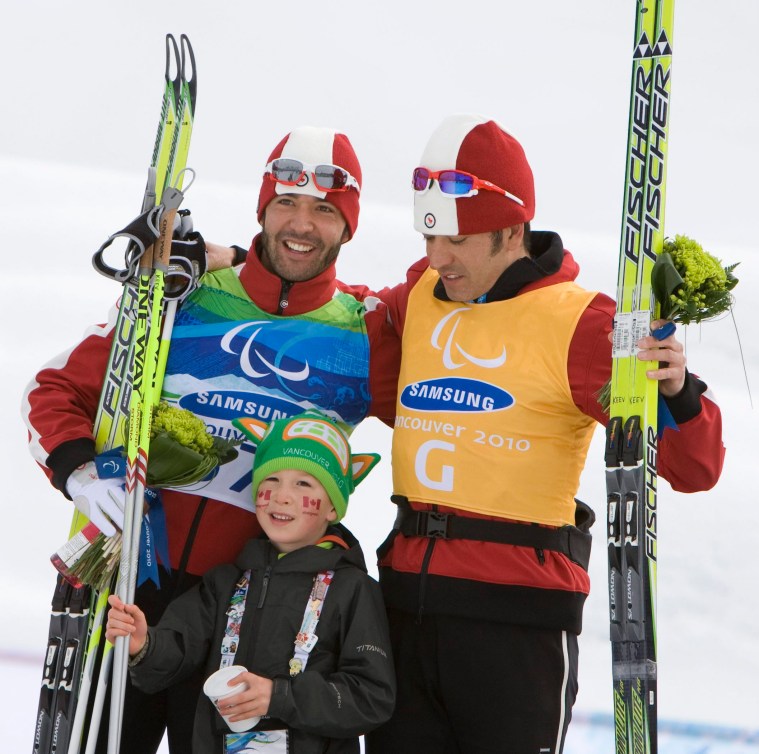
Miha Fontaine won bronze in mixed team aerials at Beijing 2022. His father Nicolas finished second when aerials was a demonstration sport at Albertville 1992 and then became a three-time Olympian.
Dylan Marineau is making his Olympic debut in ski halfpipe more than three decades after his dad Dennis competed in bobsleigh at Albertville 1992.
Jeffrey Read was preceded as an Olympian in alpine skiing by his father Ken, two-time Olympian at Innsbruck 1976 and Lake Placid 1980 and one of the famed Crazy Canucks.
Where Team Canada Comes From
Team Canada athletes at Milano Cortina 2026 hail from eight provinces and one territory:
Ontario – 58
Quebec – 49
Alberta – 46
British Columbia – 32
Saskatchewan – 6
Nova Scotia – 5
Manitoba – 4
New Brunswick – 2
Yukon – 2
There are two athletes with hometowns outside of Canada.
Check out our interactive Team Canada Athletes Map to see where 2026 Olympic Team members call home!
What’s in a Name?
From Abigail (Strate) to Zachary (Connelly and Lagha). From (Cameron and Kiki) Alexander to (Mark) Zanette. Team Canada has the alphabet covered.
Among the similar first names, there are three Sarahs (Fillier, Nurse, Wilkes). There are three Marks (McMorris, Stone, Zanette) plus a Marc (Kennedy). There’s a Rachelle (Brown), a Rachel (Homan), and a Rachael (Karker). There’s two Lauras (Hall and Stacey), a Laurence (St-Germain), a Laurianne (Desmarais-Gilbert) and a Laurie (Blouin).
History in the Making
Brett Gallant will be the first Canadian to compete in mixed doubles and four-player curling at the same Olympic Games.
Kailey Allan and Beattie Podulsky will be part of the Olympic debut of women’s doubles luge.
Seven Canadians, led by three-time Olympic medallist Mikaël Kingsbury, are set for the Olympic debut of dual moguls.
Three athletes—Abigail Strate, Nicole Maurer, and Natalie Eilers—will compete in the first women’s large hill ski jumping event in Olympic history.
Canada can compete in the first Olympic mixed team skeleton event.