Milano Cortina 2026
Team Canada Medal Count
 5
5
 7
7
 9
9
Games Details
 Darren Calabrese/COC
5
7
9
Darren Calabrese/COC
5
7
9




Team Canada won 21 medals at Milano Cortina 2026. It was the sixth straight Olympic Winter Games at which Canada won at least 20 medals.
For the first time ever at an Olympic Winter Games, Team Canada included more athletes who identified as women or competed in women’s events (107) than athletes who identified as men or competed in men’s events (99).
Team Canada Roster – Milano Cortina 2026
Canadian athletes won five medals each in short track speed skating, long track speed skating, and freestyle skiing—the three sports in which Canada has won its most Winter Olympic medals all time.
Team Canada Medallists at Milano Cortina 2026
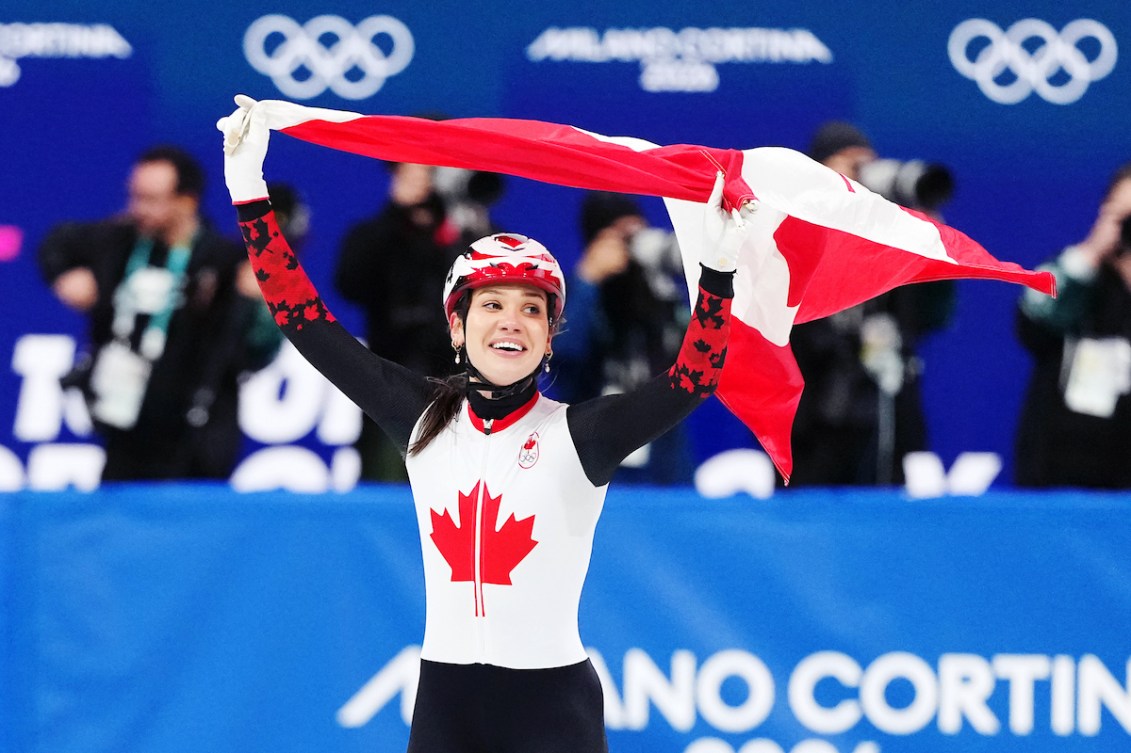
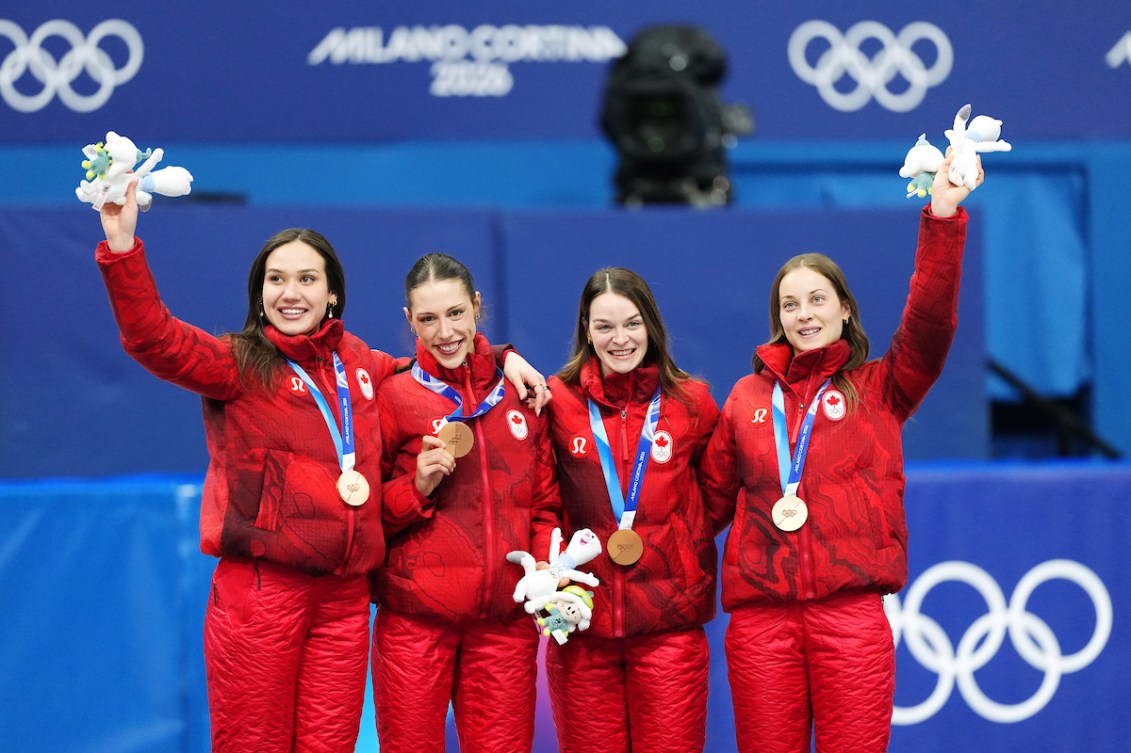
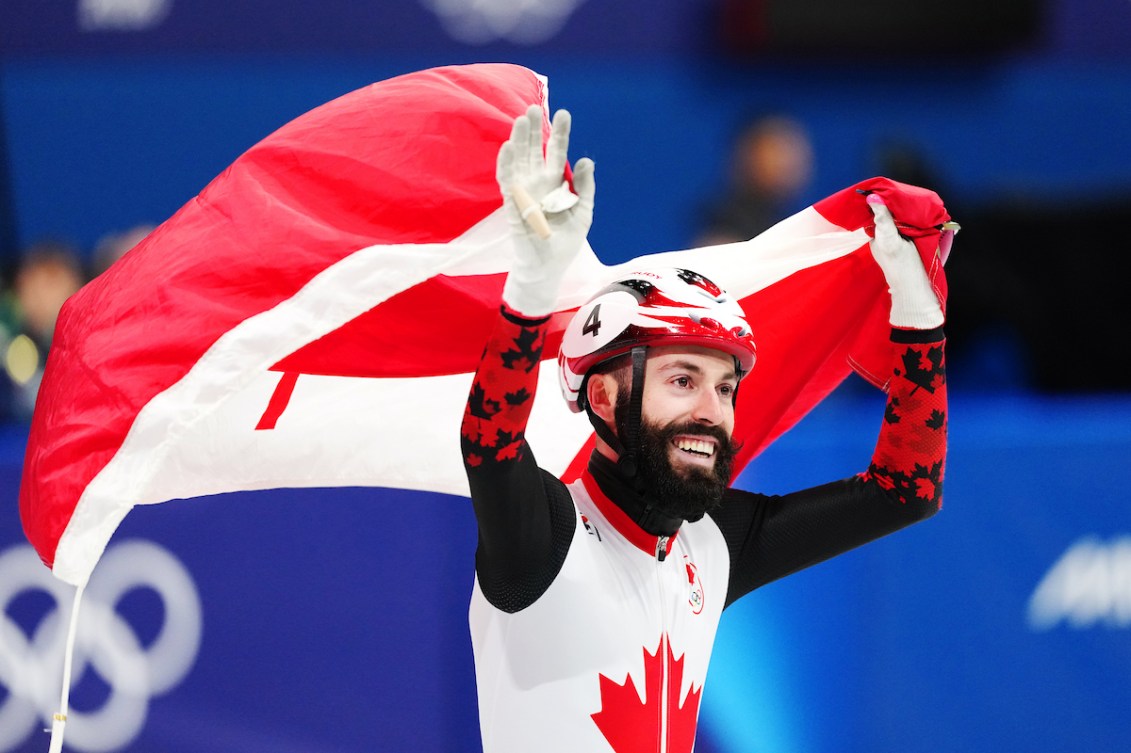
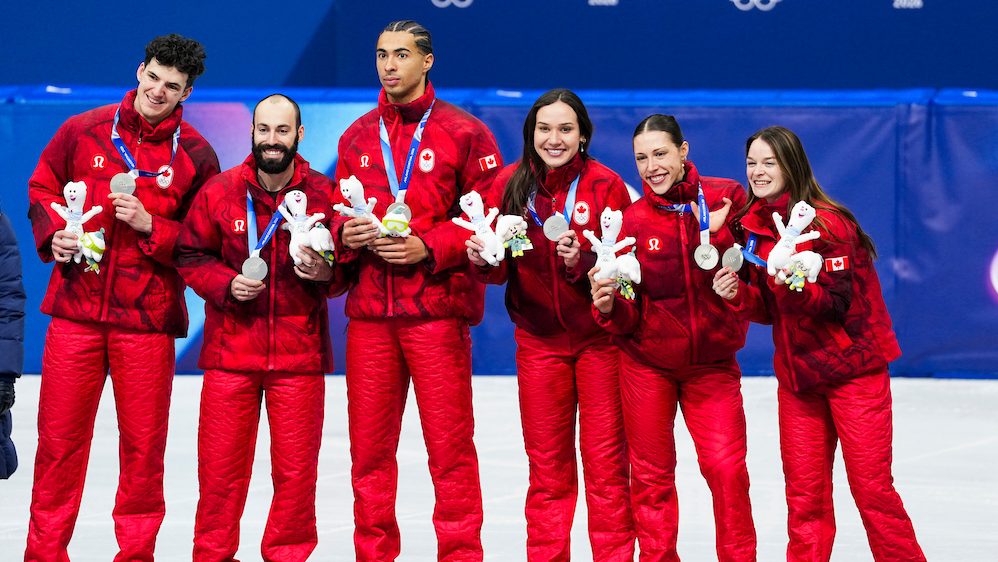
Courtney Sarault was Canada’s most decorated athlete at Milano Cortina 2026, winning four medals in short track speed skating. That is the second greatest medal total by a Canadian at one Olympic Winter Games. Alongside her two individual medals (silver in the women’s 1000m and bronze in the women’s 500m), she also won silver in the mixed 2000m relay and bronze in the women’s 3000m relay.
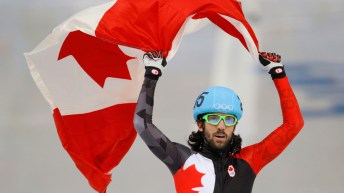
Kim Boutin was part of both of those relay medals, which brought her career total to six Olympic medals, tying her as Canada’s most decorated Winter Olympian with Cindy Klassen and Charles Hamelin. Steven Dubois won gold in the men’s 500m and was also part of the silver in the mixed relay, boosting his career total to five Olympic medals. That helped earn him the honour of being one of Team Canada’s Closing Ceremony flag bearers.
Fun Facts About Team Canada at Milano Cortina 2026
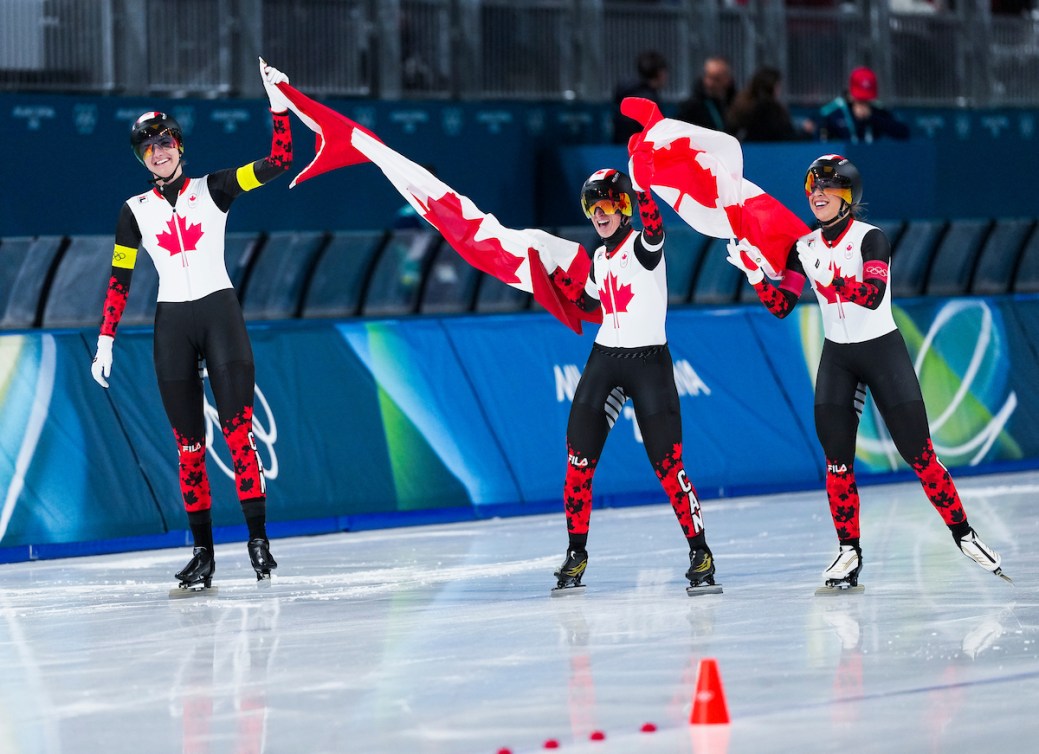
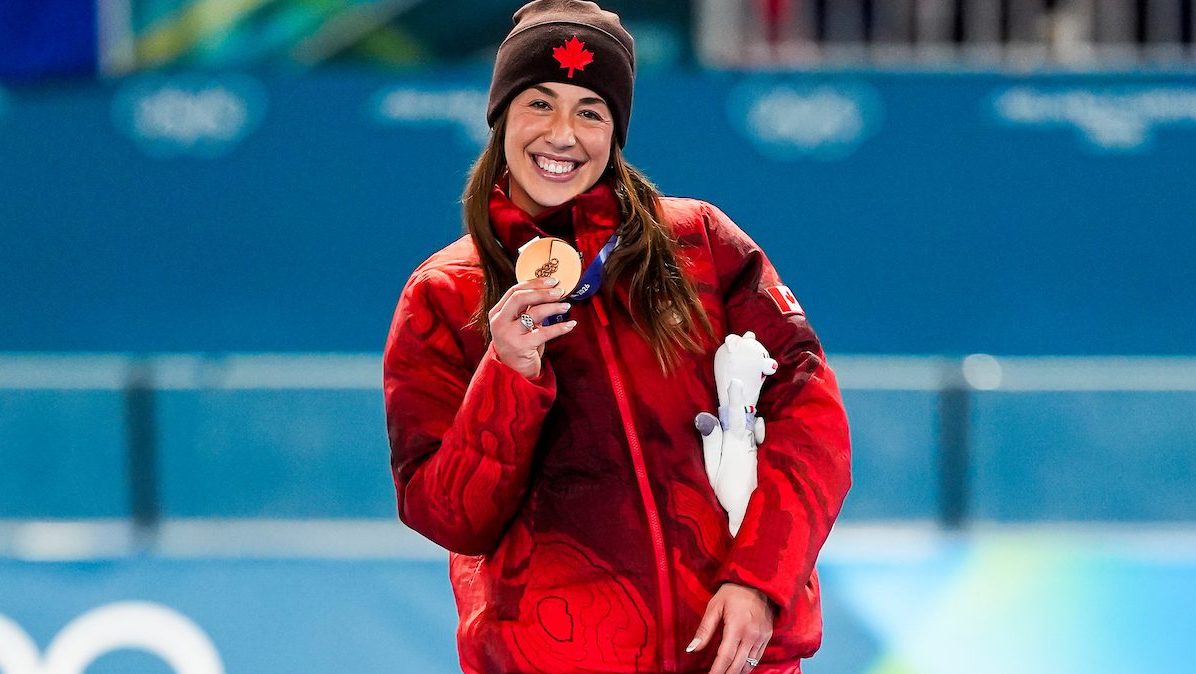
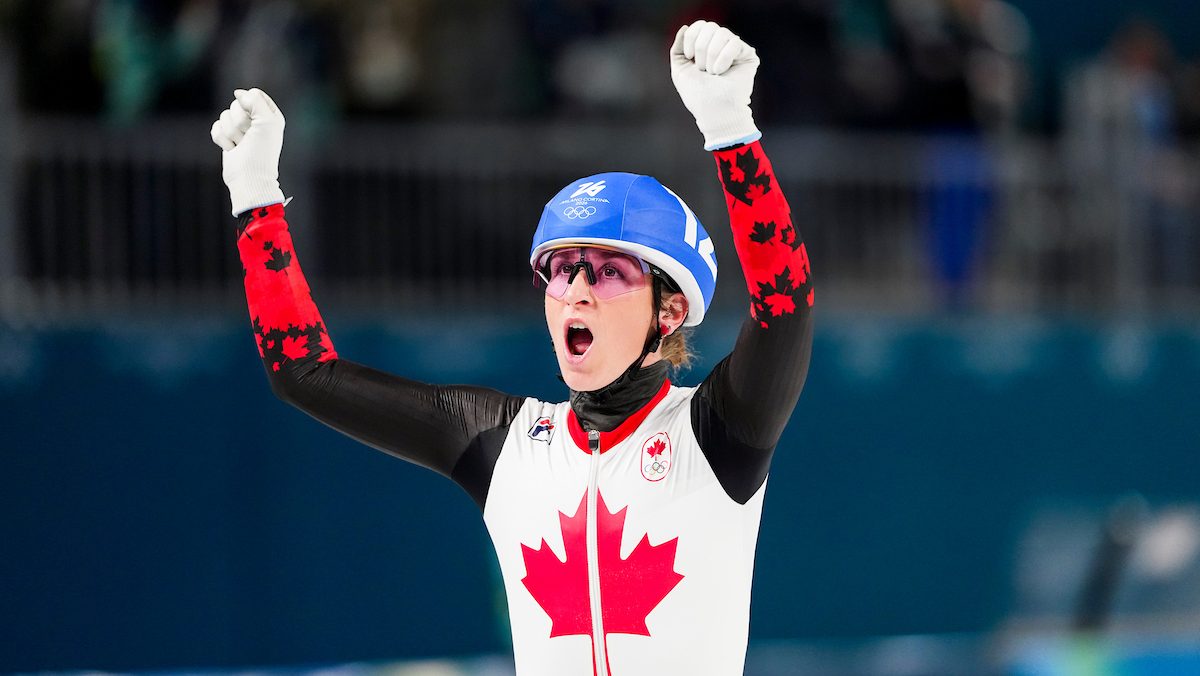
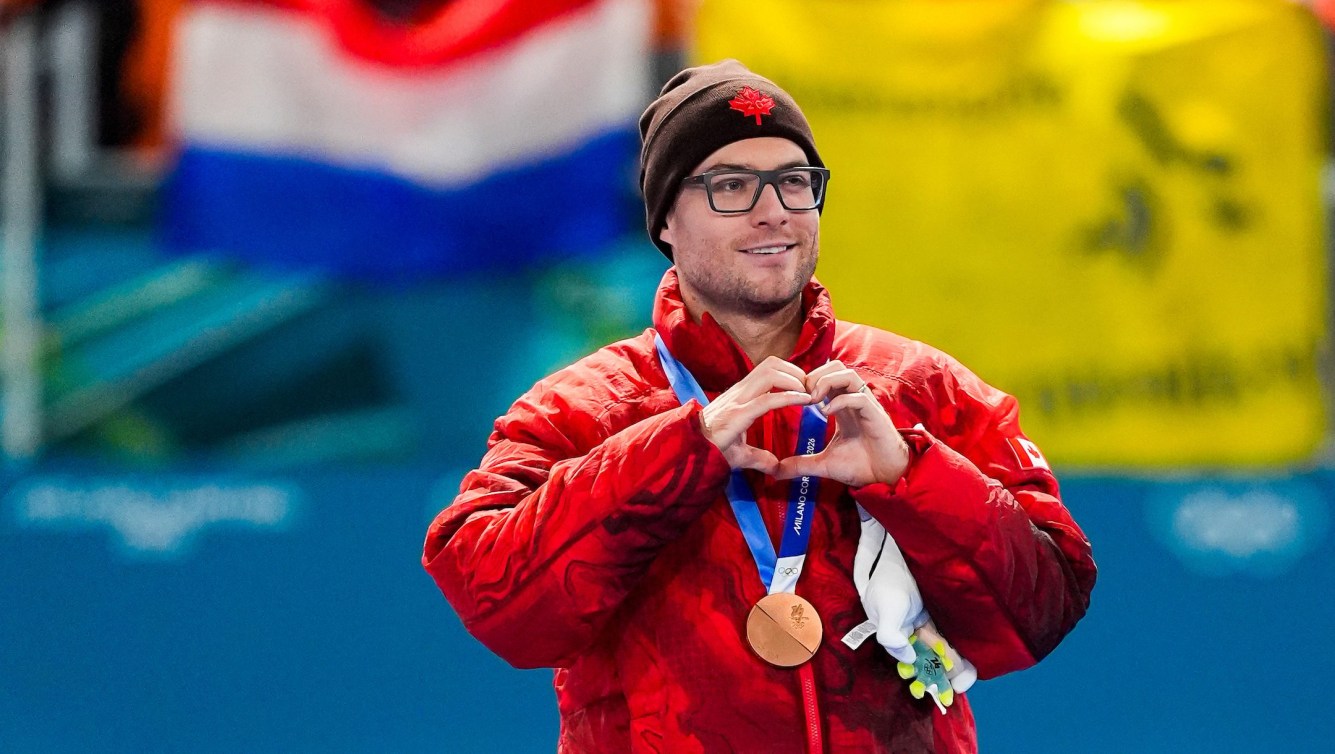
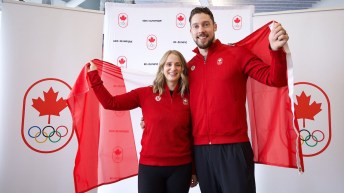
He was selected for that role alongside Valérie Maltais, who won three medals in long track speed skating to also become a five-time Olympic medallist. Maltais won bronze in both the women’s 3000m and women’s 1500m. She also won a second straight Olympic gold medal in the women’s team pursuit alongside Ivanie Blondin and Isabelle Weidemann. Blondin won her second straight Olympic silver medal in the women’s mass start. Four years after he missed the podium by 0.03, Laurent Dubreuil finally got an Olympic medal in his specialty event, the men’s 500m, taking the bronze.
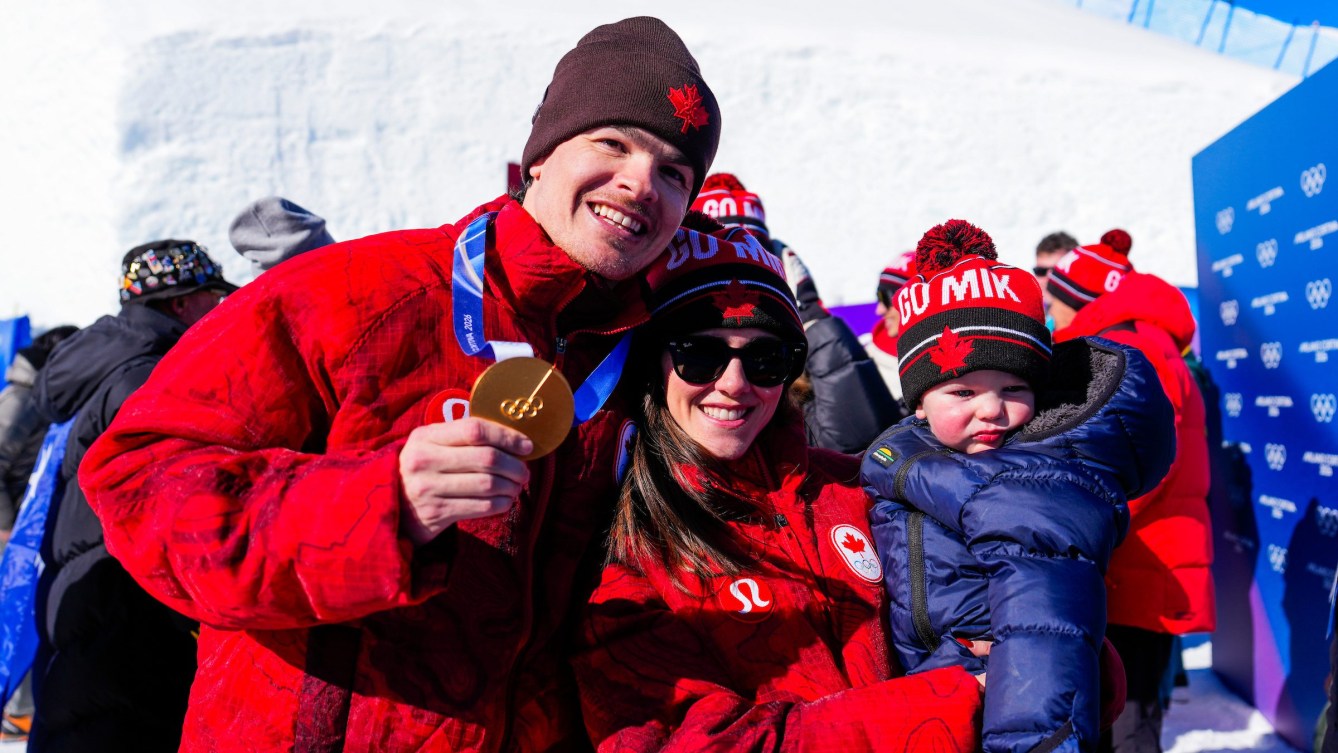
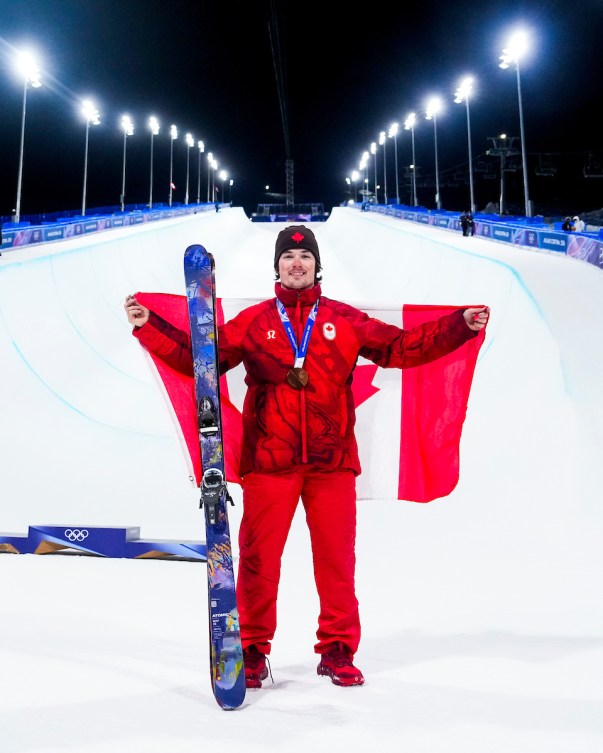
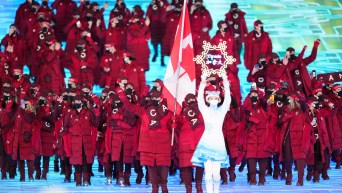
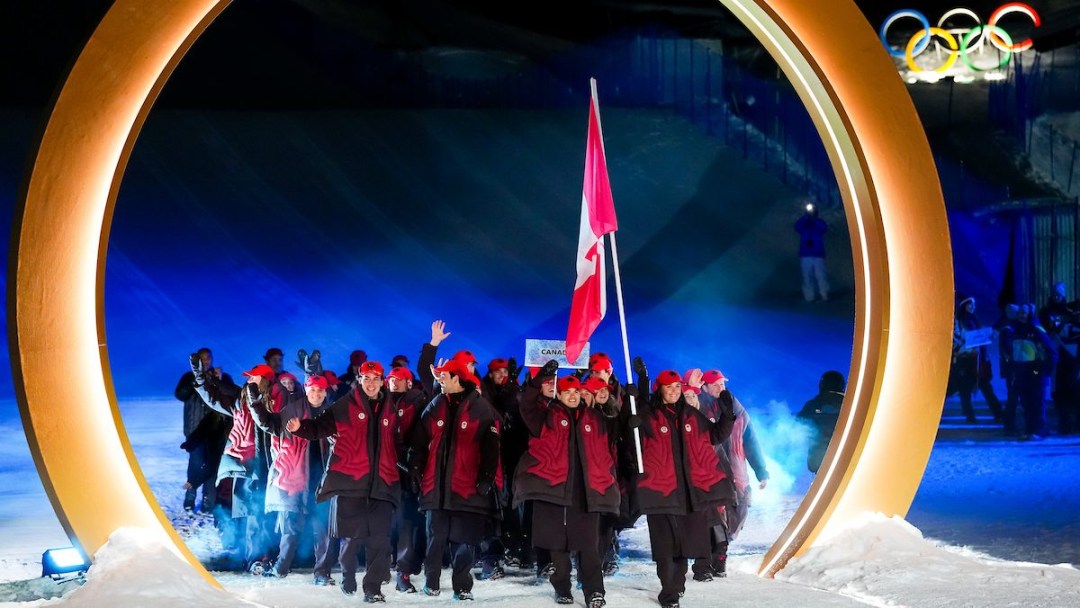
Canada had a pair of double medallists in freestyle skiing. Mikaël Kingsbury, one of Team Canada’s Opening Ceremony flag bearers, won the first ever Olympic gold medal in men’s dual moguls. That came three days after he took silver in men’s moguls when he lost out on the gold medal in a tiebreaker. Kingsbury became the first male freestyle skier to win five career Olympic medals.
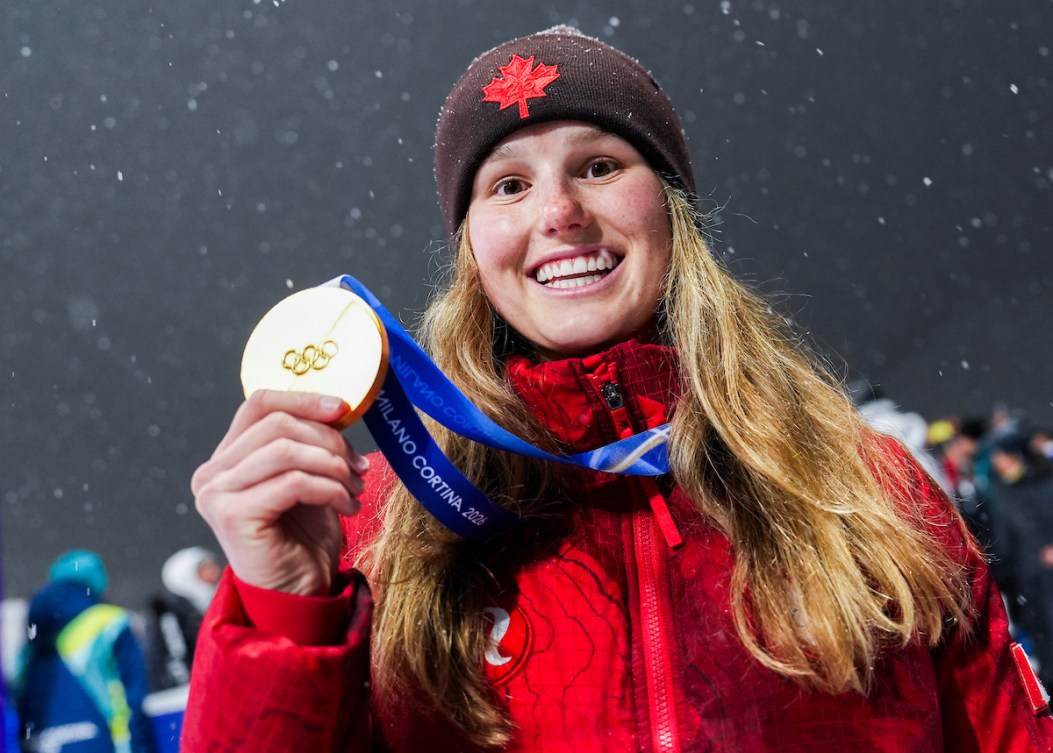
Megan Oldham became Canada’s first Olympic medallist in ski big air when she won gold in the women’s event, a week after she captured bronze in women’s ski slopestyle. She and Kingsbury were the first Canadian freestyle skiers to win multiple medals in one Olympic Games. Brendan Mackay won bronze for Canada’s first Olympic medal in men’s ski halfpipe since Sochi 2014.
By the Numbers: Team Canada’s Success at Milano Cortina 2026
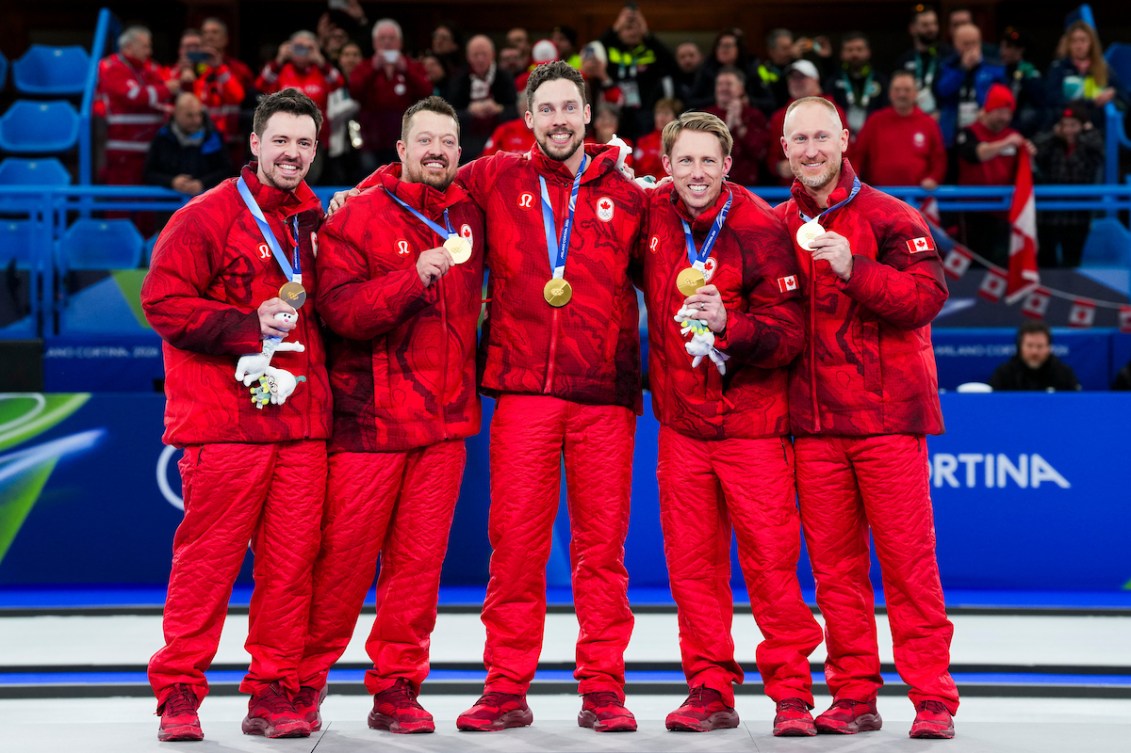
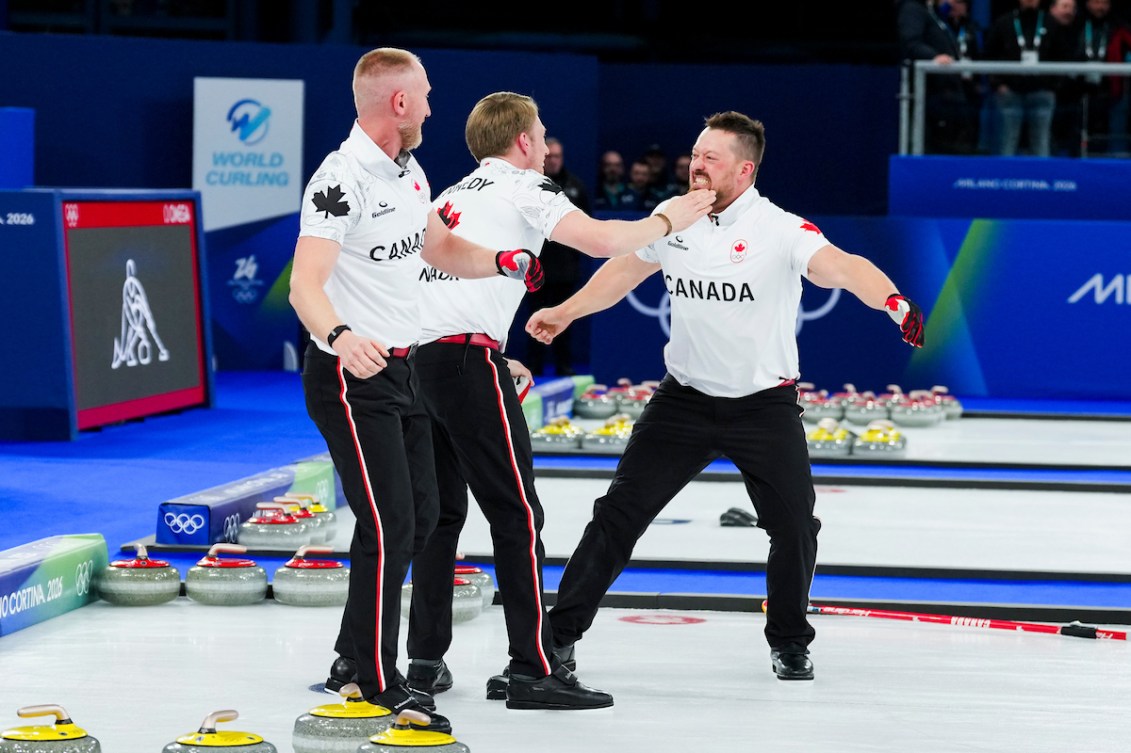
Team Canada won its first Olympic gold medal in four-player curling since Sochi 2014 when Team Jacobs (skip Brad Jacobs, third Marc Kennedy, second Brett Gallant, lead Ben Hebert, alternate Tyler Tardi) defeated the world’s top-ranked team from Great Britain 9-6 in the final. They posted a 7-2 record in the round robin and then defeated Norway in an extra end in the semifinals. Jacobs became the first male skip to win two Olympic gold medals.
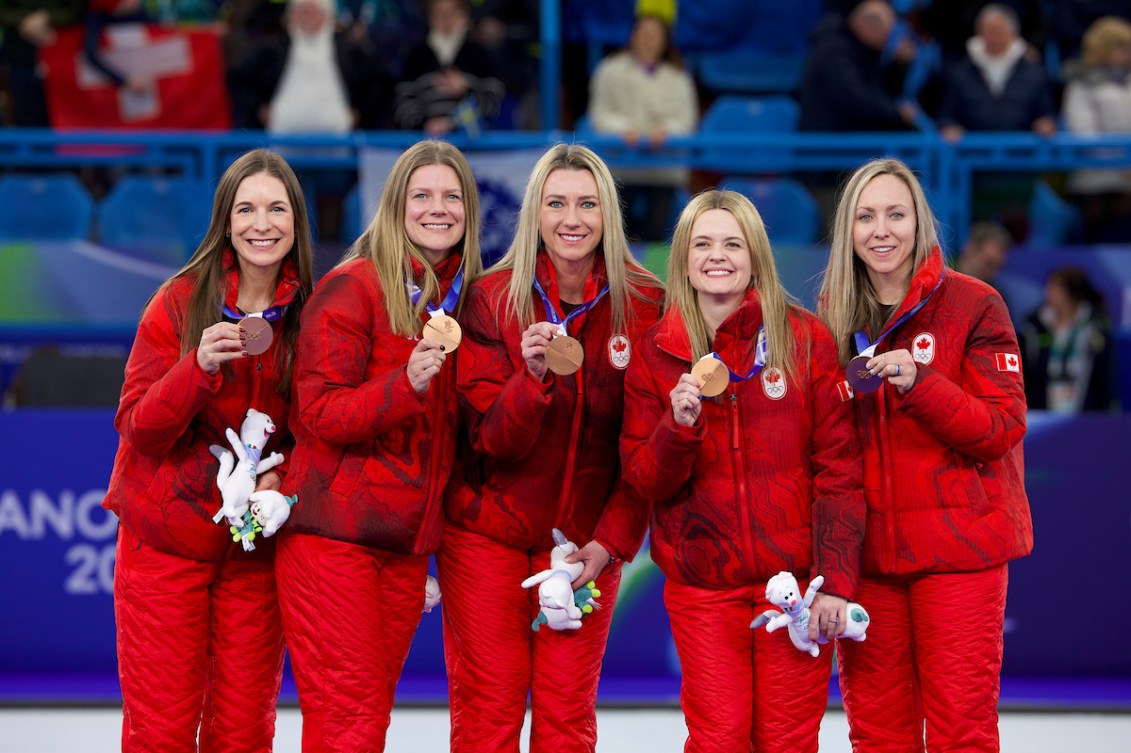
Team Canada returned to the Olympic podium in women’s curling for the first time since Sochi 2014 as Team Homan (skip Rachel Homan, third Tracy Fleury, second Emma Miskew, lead Sarah Wilkes, alternate Rachelle Brown) won the bronze medal. Canada’s streak of winning at least one curling medal at each Games since Nagano 1998 continues.
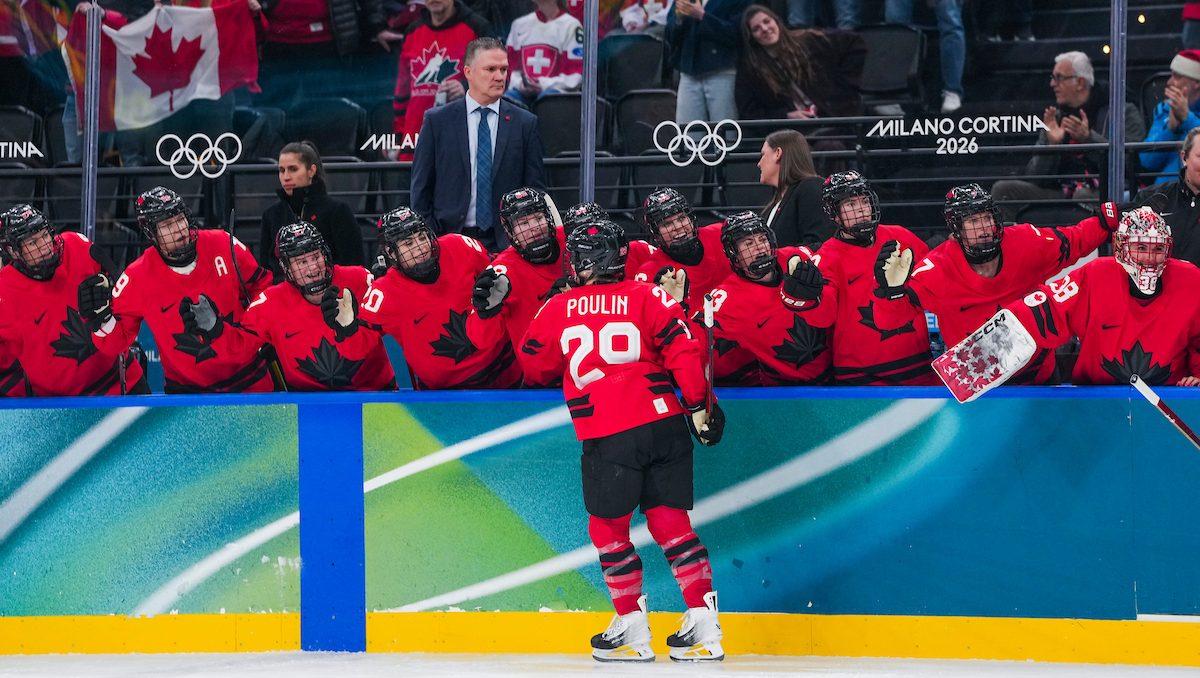
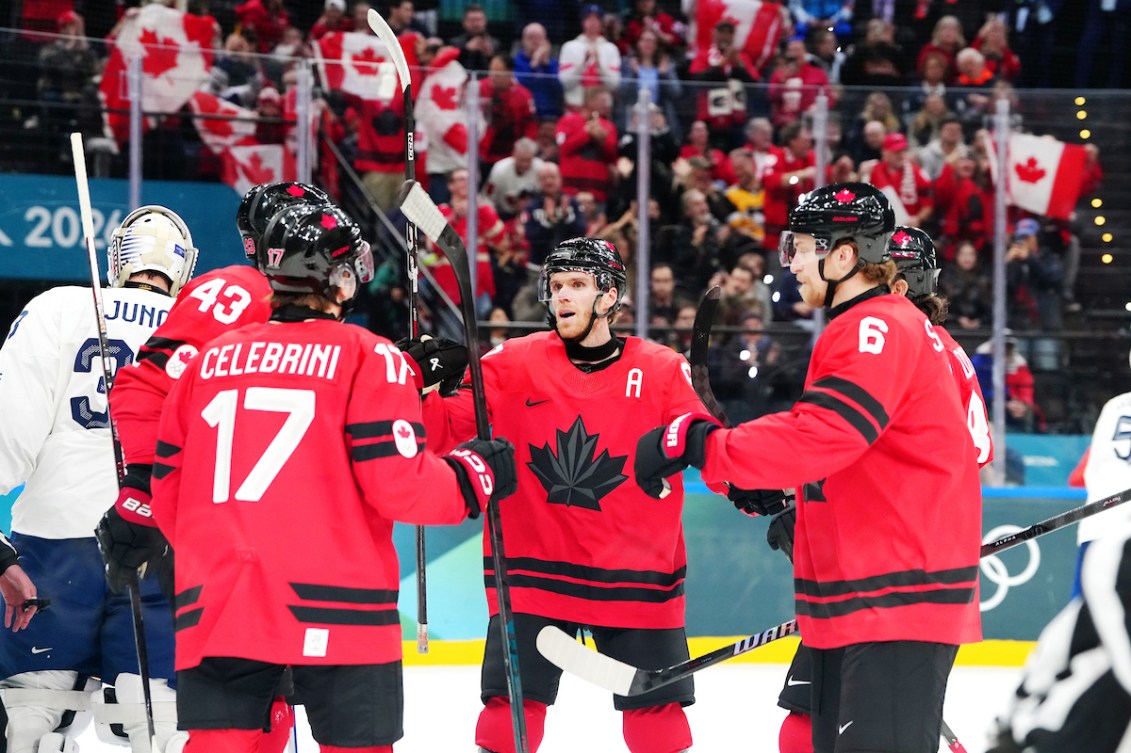
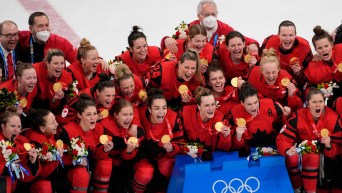
Team Canada won silver in both the women’s and men’s hockey tournaments. Both final games went to overtime, with Canada losing each one 2-1 to the United States. En route to winning her fifth Olympic medal, Marie-Philip Poulin became the all-time leading scorer in women’s Olympic hockey when she got her 20th career goal. Connor McDavid was named MVP of the men’s tournament after leading all scorers with 13 points, setting a single Games record for a tournament featuring NHL players.
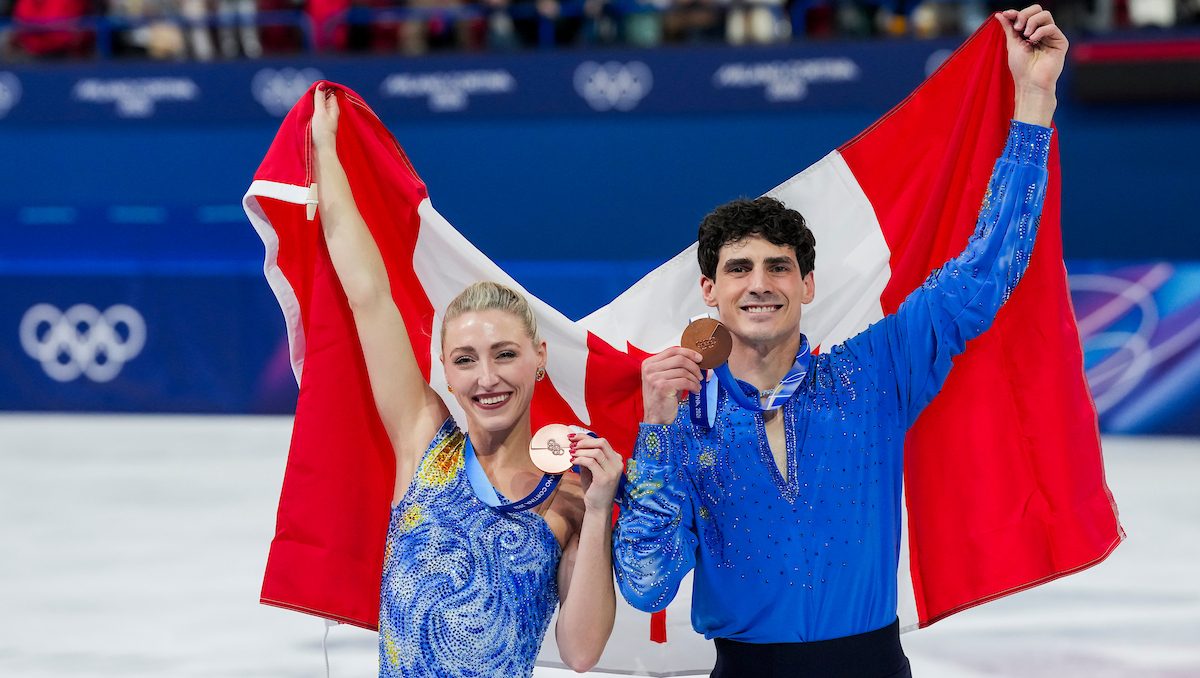
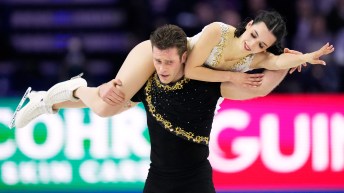
With arguably the performance of the night in the free dance, Piper Gilles and Paul Poirier brought all the emotion as they won the bronze medal in ice dance.
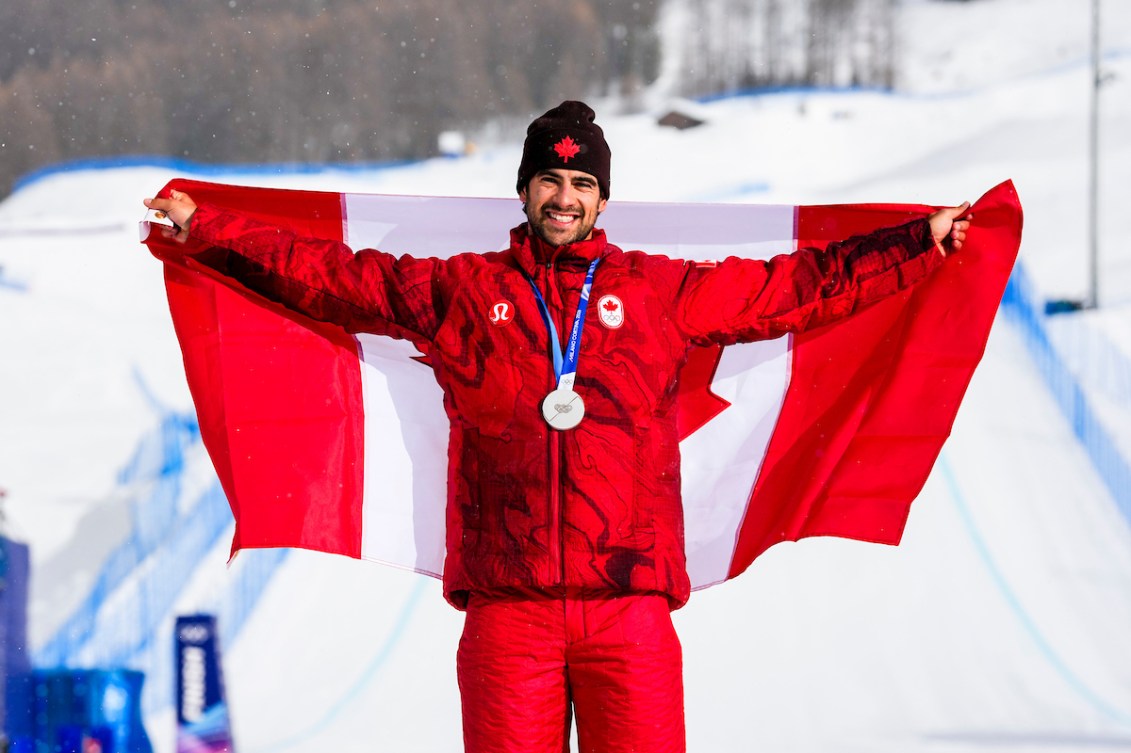
Eliot Grondin won his second straight Olympic silver medal in men’s snowboard cross, getting edged out for the gold by just 0.04 in the final.
Italy hosted the XXV Olympic Winter Games in several northern regions of the country, including Milan and Cortina d’Ampezzo. The 2026 Olympic Winter Games officially opened on February 6, 2026 and continued through to February 22, 2026.
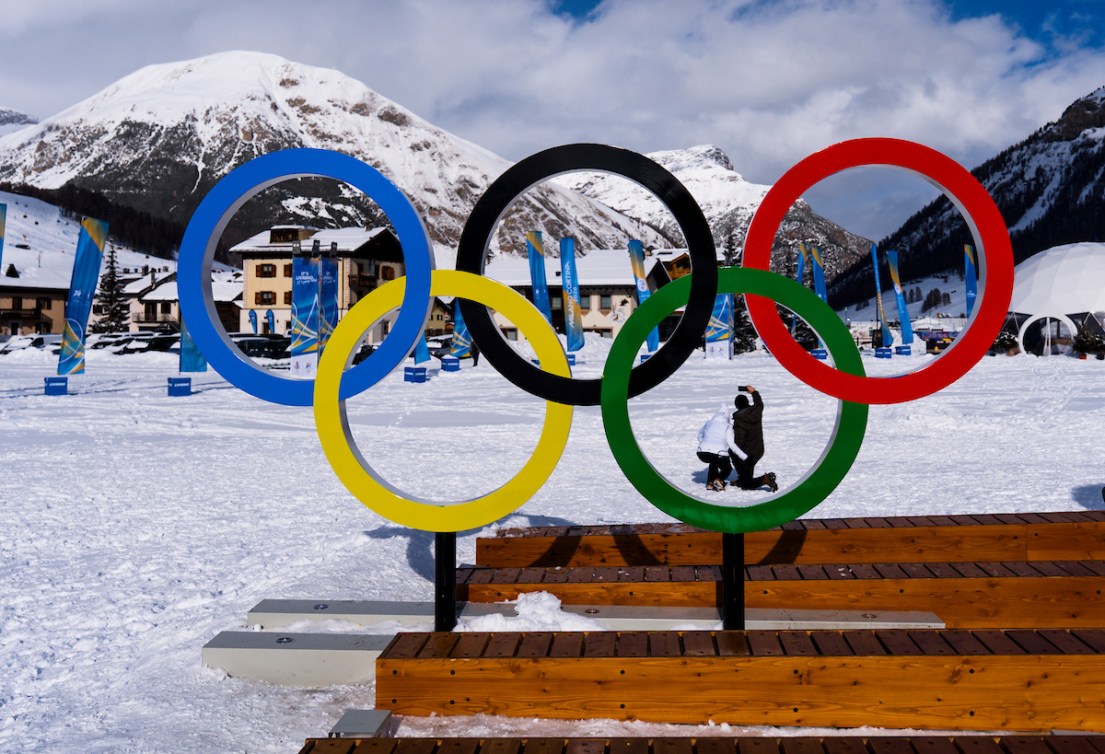
Milan was a first-time host of the Olympic Games, after previously bidding for the Games of 1908 (which went to London) and 2000 (which went to Sydney). Cortina d’Ampezzo successfully hosted the 1956 Olympic Winter Games after being awarded the 1944 Olympic Winter Games which were later cancelled due to World War II.
These were the fourth Olympic Games to be held in Italy. Four years after Cortina d’Ampezzo 1956, the Games of the XVII Olympiad took place at Rome 1960. The Winter Games returned to Italy at Turin 2006 after Cortina’s failed bids for the 1988 and 1992 Olympic Winter Games.
Milan-Cortina was awarded the XXV Olympic Winter Games on June 24, 2019 during the 134th IOC Session in Lausanne, Switzerland. Italy won the bid after receiving 47 votes, defeating a Swedish bid from Stockholm-Åre which earned 34 votes.
Located in Europe along the Mediterranean Sea, Italy is bordered by four countries—France, Austria, Switzerland, Slovenia—and completely surrounds San Marino and Vatican City. The country is known for its unique culture and cuisine, as well as for being a sports-crazed nation.
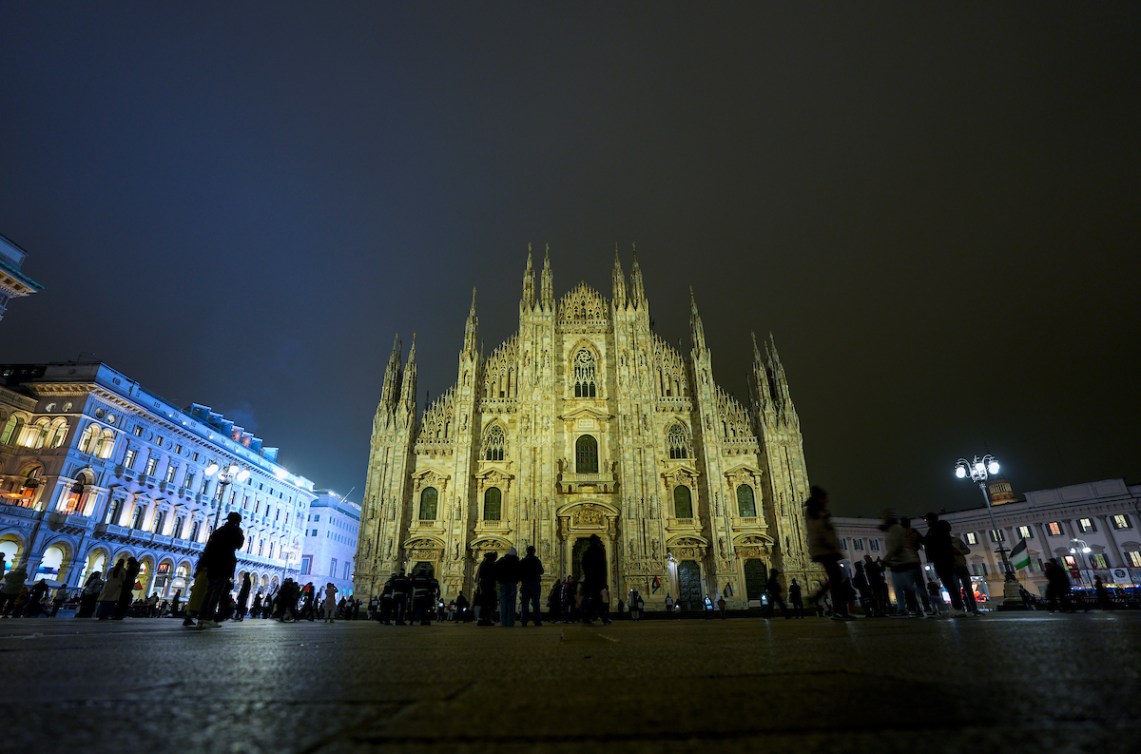
With a population of 62.2 million people, Italy is the 23rd most populous country in the world. Milan, Italy’s second largest city (behind the capital Rome) with a population of 3.132 million, is located in the northern region of Lombardy. The city is regarded as Italy’s financial capital and is well known for arts and fashion. Italy is a parliamentary republic, with its government led by a president who is elected for seven-year terms.
The Italian flag, which was inspired by the French flag Napoleon brought to the country in 1791, is divided into three equal bands of green, white and red. The red and white bands represent the colours of Milan, while the green band is the uniform colour of the Milanese civic guard. The official language of the nation is Italian and the national anthem is called “Il Canto degli Italiani.”
Milan follows the Central European Time, which is six hours ahead of Eastern Time.
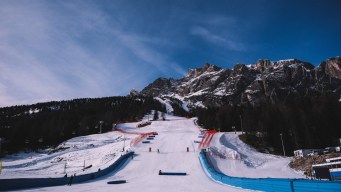
The organizers of the 2026 Games set their sights on sustainability and legacy with 13 of the 14 competition venues existing or temporary structures. Many of these existing venues are no strangers to major competitions, regularly hosting international sporting events, including FIS World Cups and various world championships. In 2018, the Mediolanum Forum in Milan was the site of the World Figure Skating Championships. In 2021, Cortina hosted the World Alpine Ski Championships.
Milano Cortina 2026 Venue Guide: Veneta
Milano Cortina 2026 Venue Guide: Trentino-Alto Adige
Milano Cortina Venue Guide: Lombardia
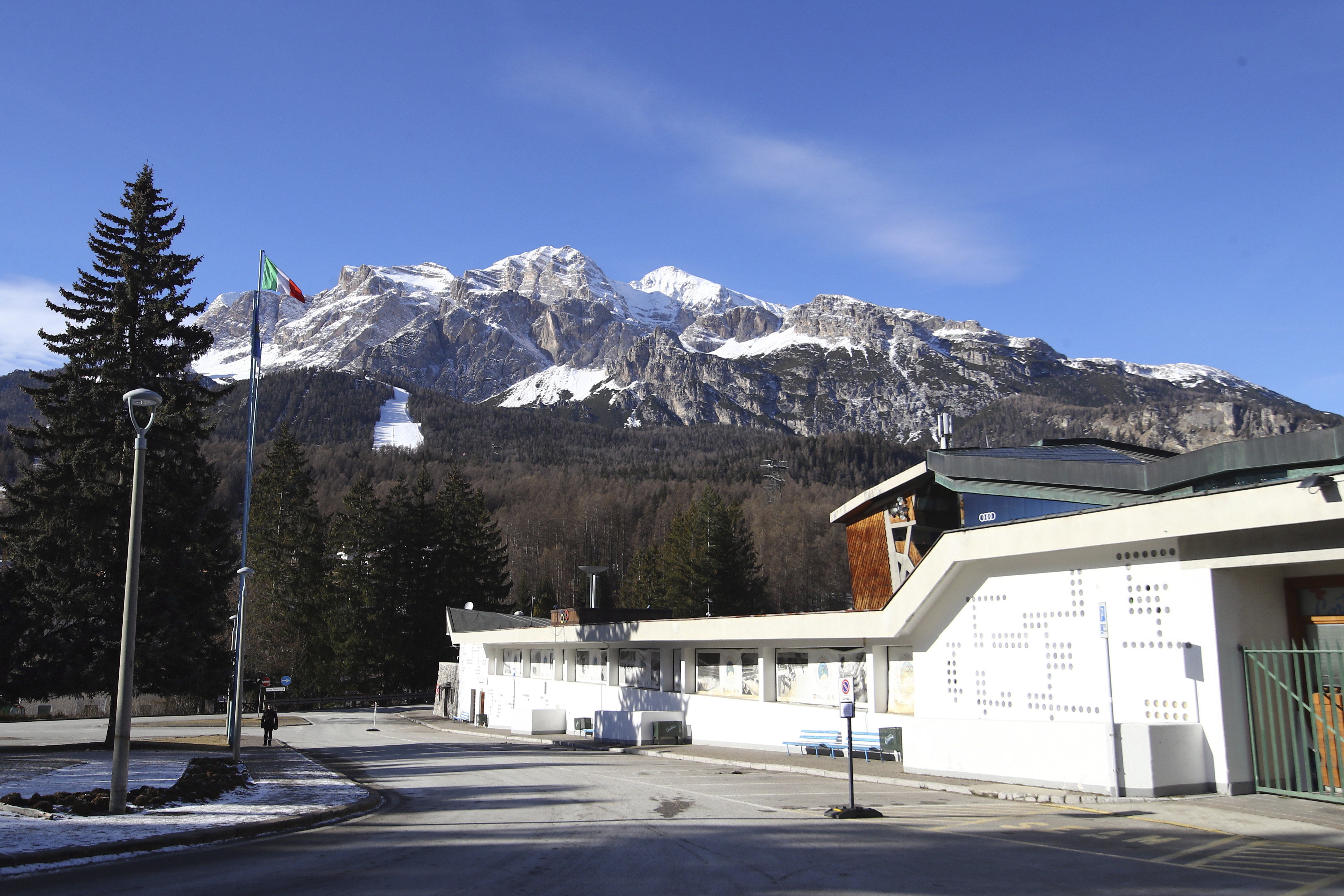
Milan, known as one of the most dynamic cities in Europe, played host to figure skating, ice hockey, short track speed skating and logn track speed skating. Cortina d’Ampezzo was home to women’s alpine skiing, bobsleigh, luge, skeleton, and curling.
Three other areas also featured Olympic competition. Antholz is a regular stop for the IBU Biathlon World Cup and was that sport’s home in 2026. Freestyle skiing, snowboard and men’s alpine skiing took place in Valtellina, which includes Bormio and Livigno. Val di Fiemme was the place for the Nordic sports of cross-country skiing, ski jumping and Nordic combined.
The “Futura” emblem was revealed on March 30, 2021 following a global public vote. About 75 per cent of the more than 871,000 votes were cast in its favour. The emblem traces a single ice-white line of the number 26, intended to reflect that sustainability and legacy are core ambitions for the Games. The emblem for the Paralympic Games shares the number 26 but has been adapted to include the red, blue and green colours of a natural light phenomenon often seen above the Dolomite mountains, making the emblem more accessible to the visually impaired.

Tina, the Olympic mascot, and Milo, the Paralympic mascot, are a brother and sister pair of Italian stoats who are on a mission to spread playfulness and curiosity throughout the Milano Cortina 2026 Olympic and Paralympic Games. Milano Cortina 2026 solicited mascot designs from students across Italy, and Tina and Milo were selected through a popular vote.
Milo and Tina are named after the host cities that they are excited to welcome athletes and fans to—Cortina and Milano. Never heard of a stoat before? They are small mammals similar in appearance to a weasel or a ferret.
READ: Meet Tina and Milo, the mascots for Milano Cortina 2026
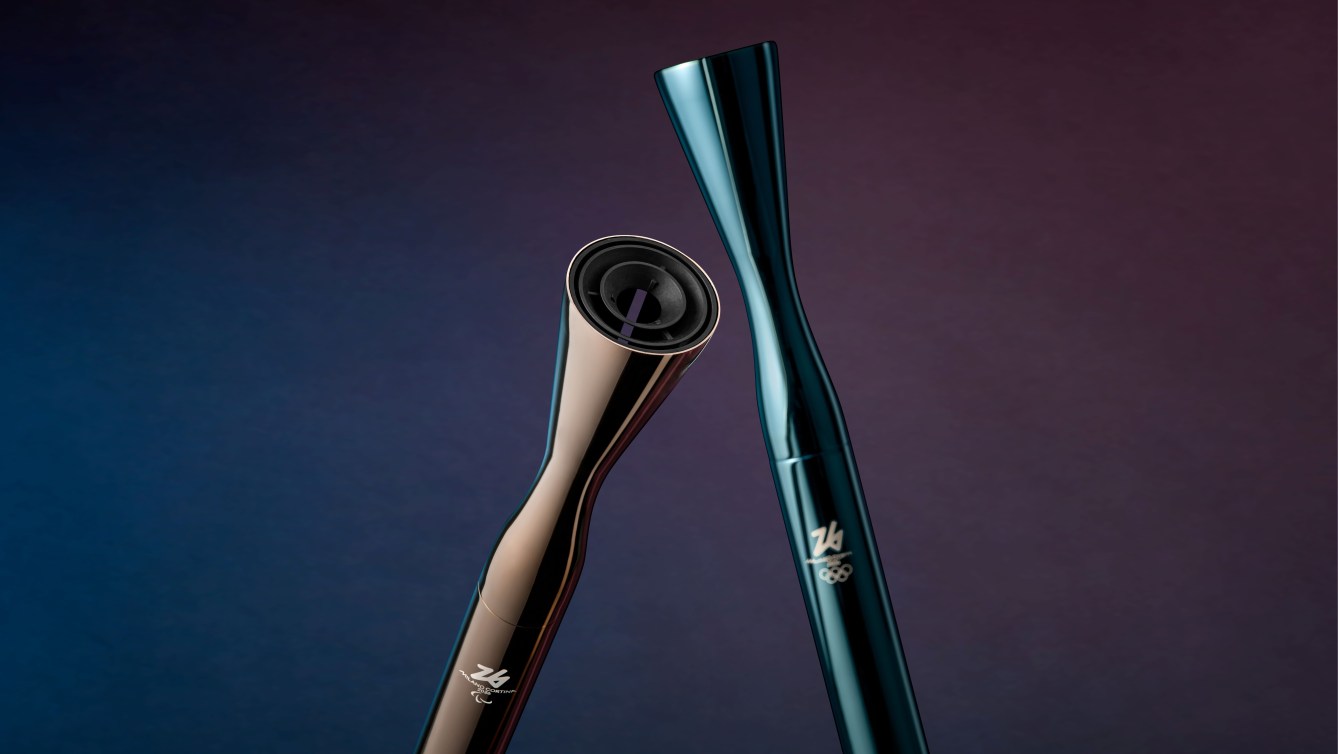
The Milano Cortina 2026 torches have been named “Essential” to reflect their minimalistic beauty. The torches for the Olympic and Paralympic Games feature a similar iridescent design, but differ in colour, with the Olympic torch featuring blue-green hues while the Paralympic torch features a bronze colour.
The torch design process prioritized sustainability. Each torch is made of predominantly recycled materials, and can be refilled and reused up to 10 times, reducing the number of torches required to complete the relay. The Olympic flame will be fueled by a bio fuel called Bio-LPG, made mostly from waste materials including cooking oil, animal fat, and agricultural residue.
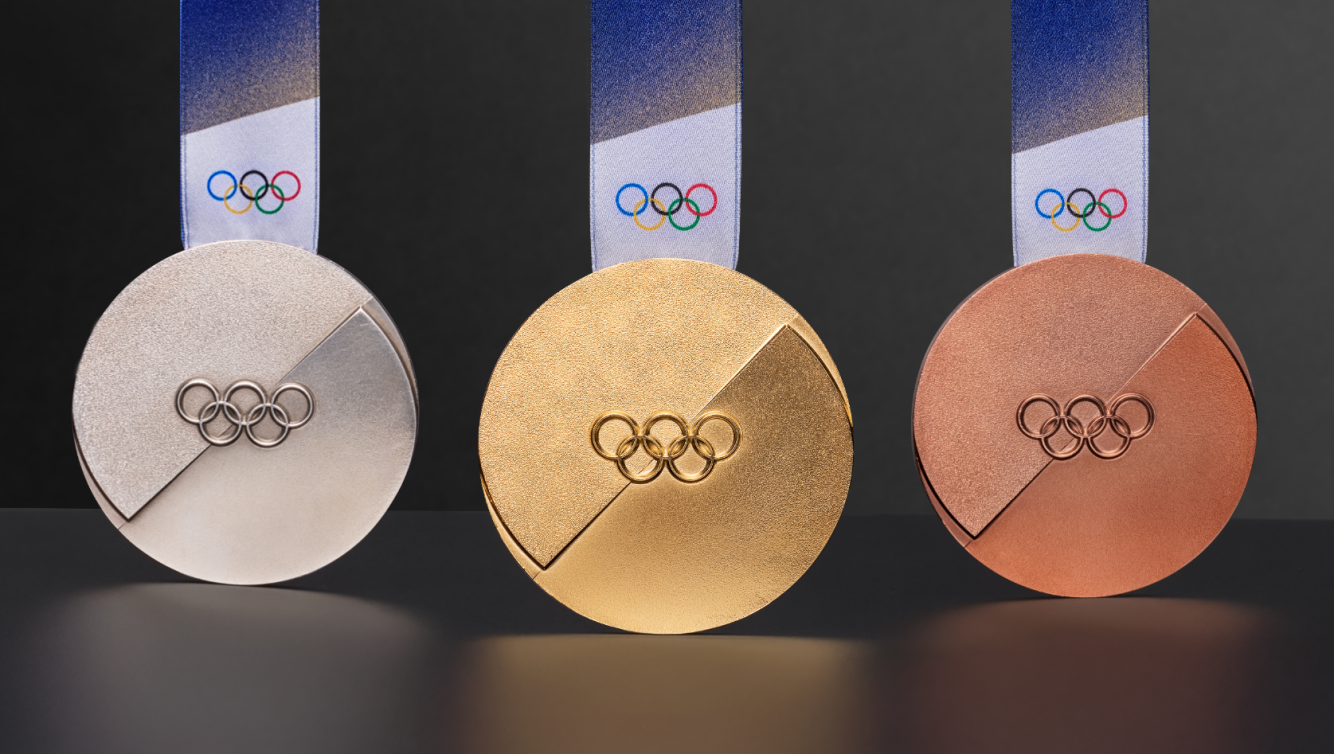
The Milano Cortina 2026 medals are striking in their simplicity, featuring a split design, with one half smooth and the other half textured. The divide of the design is meant to symbolize not only the two host cities of Milano and Cortina, but also an athlete’s victory and the effort it took to achieve it, as well as those who supported them in their journey.
The medal is meant to serve as a metaphor “to portray the story of two worlds coming together, united by the spirit of the Olympic and Paralympic Games: a world where competition doesn’t divide, but unites,” according to the press release from the Fondazione Milano Cortina 2026.
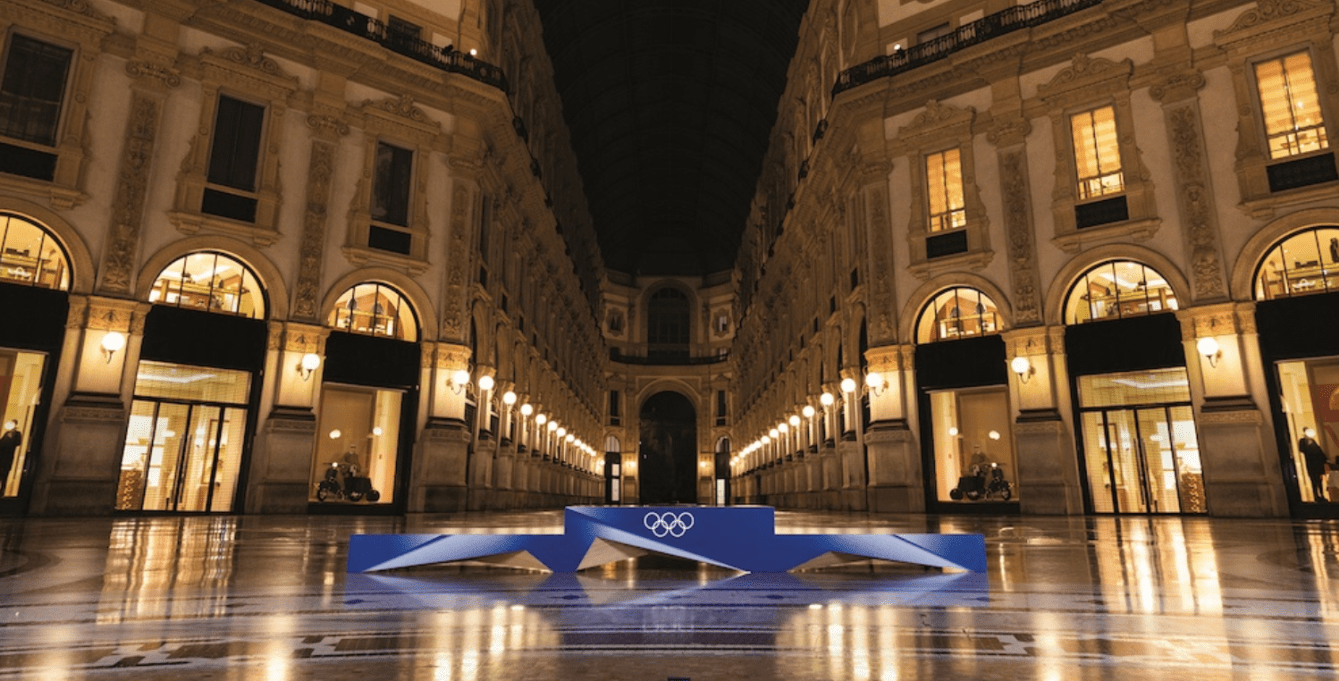
The official podiums for Milano Cortina 2026 were designed by Fondazione Milano Cortina 2026 and Cavaletti + Pagliariccio studio. The podiums are made from wood and metal, with the capacity to accommodate up to 10 athletes per step.
The Milano Cortina 2026 podiums will get to live a second life after the Games as well. The podiums will be distributed to amateur sports clubs across Italy that promote inclusive sporting activities, giving the next generation a chance to stand exactly where their heroes did.
| Sport | Event | Athlete | Finish |
|---|---|---|---|
| Speed Skating - Long Track | 3000m - Women | Valérie Maltais | Bronze |
| Freestyle Skiing | Slopestyle - Women | Megan Oldham | Bronze |
| Speed Skating - Short Track | 2000m Relay - Mixed | Kim Boutin, Courtney Sarault, William Dandjinou, Félix Roussel, Florence Brunelle, Steven Dubois | Silver |
| Figure Skating | Ice Dance - Mixed | Piper Gilles & Paul Poirier | Bronze |
| Freestyle Skiing | Moguls - Men | Mikaël Kingsbury | Silver |
| Snowboard | Snowboard Cross - Men | Eliot Grondin | Silver |
| Speed Skating - Short Track | 500m - Women | Courtney Sarault | Bronze |
| Speed Skating - Long Track | 500m - Men | Laurent Dubreuil | Bronze |
| Freestyle Skiing | Dual Moguls - Men | Mikaël Kingsbury | Gold |
| Speed Skating - Short Track | 1000m - Women | Courtney Sarault | Silver |
| Freestyle Skiing | Big Air - Women | Megan Oldham | Gold |
| Speed Skating - Long Track | Team Pursuit - Women | Ivanie Blondin, Valérie Maltais, Isabelle Weidemann | Gold |
| Speed Skating - Short Track | 3000m Relay - Women | Danaé Blais, Kim Boutin, Florence Brunelle, Courtney Sarault | Bronze |
| Speed Skating - Short Track | 500m - Men | Steven Dubois | Gold |
| Hockey | Women | Sophie Jaques, Jocelyne Larocque, Kati Tabin, Laura Stacey, Sarah Fillier, Renata Fast, Ella Shelton, Brianne Jenner, Sarah Nurse, Erin Ambrose, Natalie Spooner, Emily Clark, Emma Maltais, Marie-Philip Poulin, Ann-Renée Desbiens, Emerance Maschmeyer, Blayre Turnbull, Claire Thompson, Kristin O'Neill, Kayle Osborne, Julia Gosling, Jenn Gardiner, Daryl Watts | Silver |
| Speed Skating - Long Track | 1500m - Women | Valérie Maltais | Bronze |
| Freestyle Skiiing | Halfpipe - Men | Brendan Mackay | Bronze |
| Curling | Women | Rachel Homan, Tracy Fleury, Emma Miskew, Sarah Wilkes, Rachelle Brown | Bronze |
| Speed Skating - Long Track | Mass Start - Women | Ivanie Blondin | Silver |
| Curling | Men | Brad Jacobs, Marc Kennedy, Brett Gallant, Ben Hebert, Tyler Tardi | Gold |
| Hockey | Men | Travis Sanheim, Devon Toews, Cale Makar, Sam Bennett, Nick Suzuki, Sam Reinhart, Bo Horvat, Macklin Celebrini, Thomas Harley, Seth Jarvis, Shea Theodore, Nathan MacKinnon, Brandon Hagel, Tom Wilson, Josh Morrissey, Colton Parayko, Mark Stone, Brad Marchand, Sidney Crosby, Drew Doughty, Mitch Marner, Connor McDavid, Jordan Binnington, Logan Thompson, Darcy Kuemper | Silver |
Florence Brunelle made her Olympic debut at Beijing 2022 where she was part of a fourth-place finish in the women’s...
Sidney Crosby secured Canada's record 14th gold medal of the Vancouver 2010 Olympic Winter Games when he scored the "Golden…
Megan Oldham made her Olympic debut at Beijing 2022 where she was the top qualifier for the women’s big air...
Luge has its origins in tobogganing, one of the oldest winter sports. In modern luge, athletes compete on an ice…
In its basic form, hockey is a game played on ice in which teams try to score in their opponent’s…
Skeleton is contested on an ice track. The athletes typically sprint alongside their sled for the first few seconds of…